
Overview
Emlog, an open-source website building system, suffers from a significant security flaw in versions 2.5.21 and below. The vulnerability, identified as CVE-2025-61597, allows for stored cross-site scripting (XSS) attacks through HTML template injection, which could potentially enable a full admin account takeover. Given the popularity of Emlog as a website building tool, this vulnerability poses a serious threat to many organizations and individual users.
Vulnerability Summary
CVE ID: CVE-2025-61597
Severity: High (7.6)
Attack Vector: Network
Privileges Required: Low
User Interaction: Required
Impact: System compromise, data leakage, and potential admin account takeover
Affected Products
 Escape the Surveillance Era
Most apps won’t tell you the truth.
They’re part of the problem.
Phone numbers. Emails. Profiles. Logs.
It’s all fuel for surveillance.
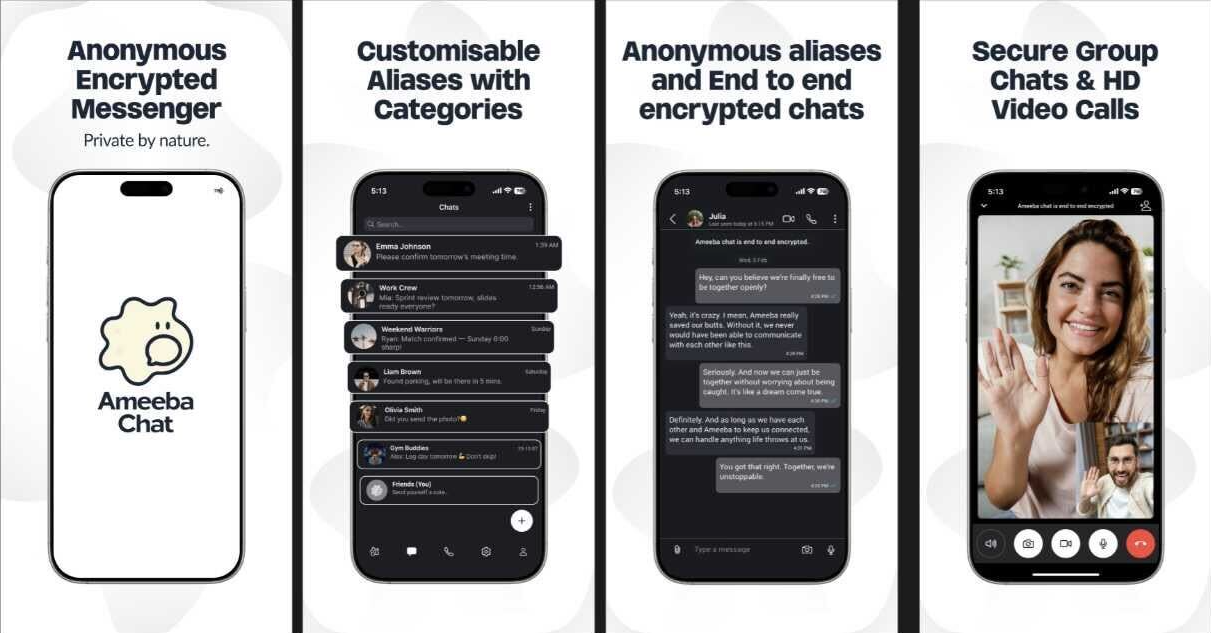
Ameeba Chat gives you a way out.
- • No phone number
- • No email
- • No personal info
- • Anonymous aliases
- • End-to-end encrypted
Chat without a trace.
Product | Affected Versions
Emlog | 2.5.21 and below
How the Exploit Works
In affected versions of Emlog, the mail template settings accept and store HTML input without proper sanitization. An attacker can inject malicious JavaScript code into these settings. When an admin visits the settings page, the stored JavaScript code is executed, potentially leading to session or token theft and subsequently, admin account takeover.
Conceptual Example Code
Given the nature of this vulnerability, an attacker could exploit it with a simple POST request, as shown here:
POST /emlog/settings/mail_template HTTP/1.1
Host: target.example.com
Content-Type: application/json
{ "mail_template": "<script>malicious_javascript_here</script>" }
The “malicious_javascript_here” would be replaced with the attacker’s JavaScript code, which could be designed to steal session cookies, tokens, or perform other malicious actions when executed by the admin’s browser.
Mitigation
Users of Emlog are strongly advised to update to version 2.5.22 or later, where this issue has been resolved. If immediate patching is not possible, implementing a Web Application Firewall (WAF) or Intrusion Detection System (IDS) to detect and block attempts to exploit this vulnerability can serve as a temporary mitigation strategy.
