
Overview
A severe vulnerability has been identified in the Caido web security auditing toolkit. This vulnerability, tracked as CVE-2025-49004, affects Caido versions prior to 0.48.0 and can potentially lead to system compromise or data leakage. It is crucial for system administrators and cybersecurity professionals to be aware of the vulnerability, its effects, and the mitigation strategies available.
Vulnerability Summary
CVE ID: CVE-2025-49004
Severity: High (7.5 CVSS Score)
Attack Vector: Network
Privileges Required: None
User Interaction: Required
Impact: System compromise or data leakage
Affected Products
 Escape the Surveillance Era
Most apps won’t tell you the truth.
They’re part of the problem.
Phone numbers. Emails. Profiles. Logs.
It’s all fuel for surveillance.
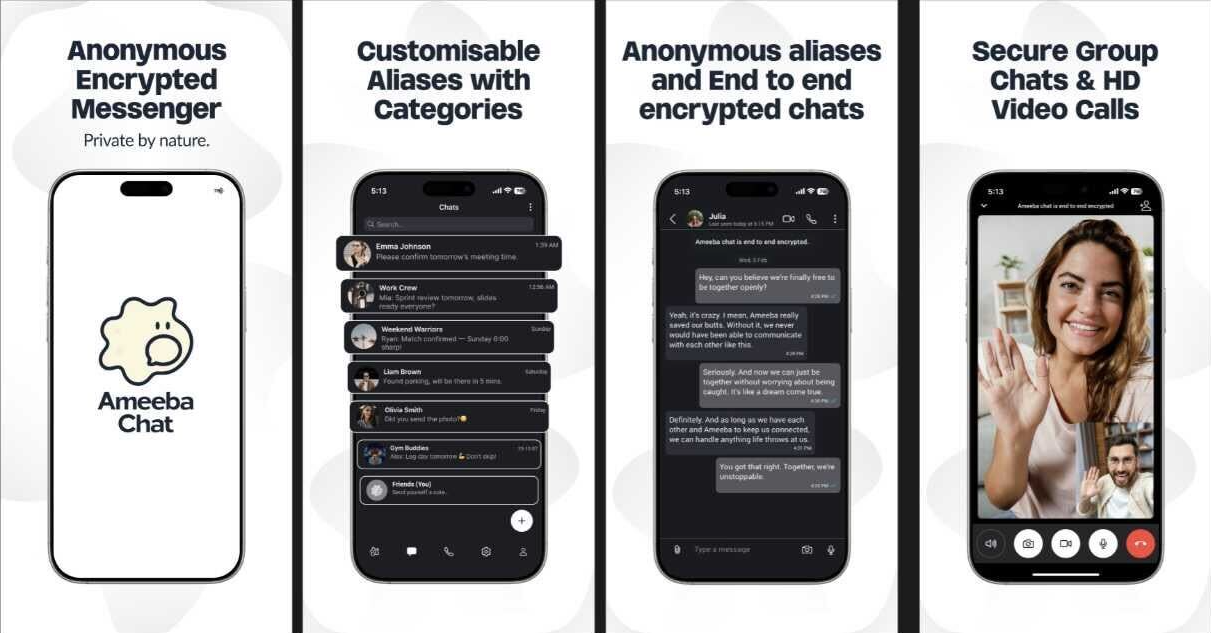
Ameeba Chat gives you a way out.
- • No phone number
- • No email
- • No personal info
- • Anonymous aliases
- • End-to-end encrypted
Chat without a trace.
Product | Affected Versions
Caido | Prior to 0.48.0
How the Exploit Works
The vulnerability arises from the lack of protection against DNS rebinding in Caido. An attacker can load Caido on a domain they control, which allows a malicious website to hijack the authentication flow of Caido and achieve code execution. During the initial setup, a malicious website loaded in the browser can hijack the locally running Caido instance and achieve remote command execution. Even if the Caido instance is already configured, an attacker can initiate the authentication flow by performing DNS rebinding.
Conceptual Example Code
Given the nature of the vulnerability, an example of exploiting it would involve an attacker setting up a malicious website and forcing the victim to visit it. This could be done through phishing tactics or other social engineering methods.
GET /malicious_site HTTP/1.1
Host: attacker_controlled_domain.com
User-Agent: victim_browser
This request would force the victim’s browser to connect to the attacker-controlled domain, which then initiates the DNS rebinding attack, leading to remote command execution on the victim’s system through the Caido toolkit.
Mitigation Guidance
The primary mitigation strategy is to upgrade to Caido version 0.48.0 or later, which includes a patch for this vulnerability. As a temporary measure, users can also employ a Web Application Firewall (WAF) or Intrusion Detection System (IDS) to help detect and prevent potential exploitation of this vulnerability.
