
Overview
The vulnerability CVE-2025-44193 pertains to the Simple Barangay Management System v1.0, a product of SourceCodester. This vulnerability poses a significant risk to any organization utilizing the aforementioned system, as it allows potential attackers to conduct SQL injection attacks. A successful exploit could lead to system compromise or data leakage, severely impacting the confidentiality, integrity, and availability of the system and its data.
Vulnerability Summary
CVE ID: CVE-2025-44193
Severity: High (7.6)
Attack Vector: Network
Privileges Required: None
User Interaction: None
Impact: System compromise and potential data leakage
Affected Products
 Escape the Surveillance Era
Most apps won’t tell you the truth.
They’re part of the problem.
Phone numbers. Emails. Profiles. Logs.
It’s all fuel for surveillance.
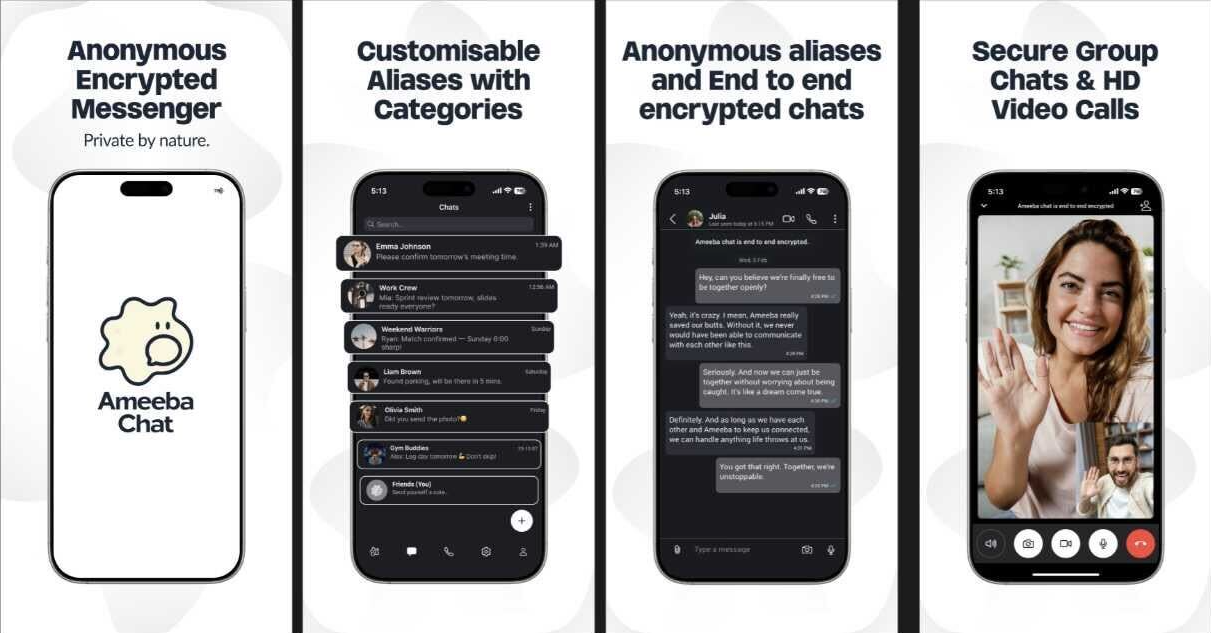
Ameeba Chat gives you a way out.
- • No phone number
- • No email
- • No personal info
- • Anonymous aliases
- • End-to-end encrypted
Chat without a trace.
Product | Affected Versions
SourceCodester Simple Barangay Management System | v1.0
How the Exploit Works
The vulnerability is due to insufficient sanitization of user-supplied inputs in the “/barangay_management/admin/?page=view_complaint” page of the application. An attacker can exploit this by sending a specially crafted SQL query to the application, which could allow the attacker to manipulate the SQL query, leading to unauthorized access to the system’s database.
Conceptual Example Code
Here is a conceptual example of how the vulnerability might be exploited:
GET /barangay_management/admin/?page=view_complaint&id=1' OR '1'='1 HTTP/1.1
Host: target.example.com
In this example, the “id” parameter in the URL is manipulated to include the SQL injection payload “‘ OR ‘1’=’1”. This malicious payload can force the SQL query to always return true, potentially allowing the attacker to view all complaints in the system.
It’s important to note that the specific payload and the result might vary depending on the structure of the system’s database and the specific SQL dialect used.
