
Overview
A significant vulnerability, designated as CVE-2025-3530, has been identified in the WordPress Simple Shopping Cart plugin. This flaw is found in all versions up to and including 5.1.2. It allows an unauthenticated attacker to manipulate product prices, leading to potential financial loss and damage to business reputation. This vulnerability is of high importance due to the widespread use of the plugin and the serious nature of its impact.
Vulnerability Summary
CVE ID: CVE-2025-3530
Severity: High, CVSS Score: 7.5
Attack Vector: Web
Privileges Required: None
User Interaction: None
Impact: Potential system compromise and data leakage
Affected Products
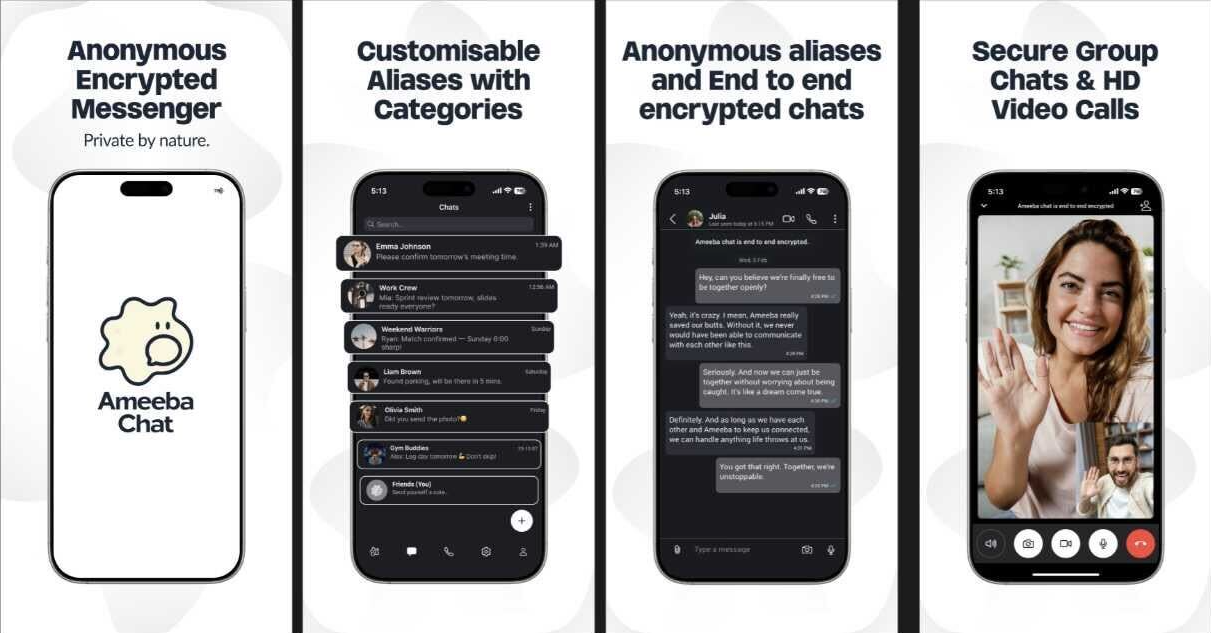
 Escape the Surveillance Era
Most apps won’t tell you the truth.
They’re part of the problem.
Phone numbers. Emails. Profiles. Logs.
It’s all fuel for surveillance.
Ameeba Chat gives you a way out.
- • No phone number
- • No email
- • No personal info
- • Anonymous aliases
- • End-to-end encrypted
Chat without a trace.
Product | Affected Versions
WordPress Simple Shopping Cart plugin | 5.1.2 and below
How the Exploit Works
The vulnerability is due to a flaw in the logic concerning the use of parameters during the cart addition process. The plugin uses the parameter ‘product_tmp_two’ to compute a security hash against price tampering but uses ‘wspsc_product’ to display the product. This inconsistency allows an attacker to substitute the details of a cheaper product while adding a more expensive item to the cart, thereby bypassing the intended payment process.
Conceptual Example Code
The following is a conceptual example of how the vulnerability might be exploited:
POST /add-to-cart HTTP/1.1
Host: target.example.com
Content-Type: application/json
{
"product_tmp_two": "cheap_product_id",
"wspsc_product": "expensive_product_id"
}
In this example, the attacker sends a POST request to add an expensive product to the cart but uses the ID of a cheaper product for the ‘product_tmp_two’ parameter. As a result, the price of the cheaper product is used in the transaction, and the attacker is able to purchase the expensive item at a reduced cost.
Countermeasures and Mitigation
Users are encouraged to apply the vendor patch as soon as possible. In the interim, the use of Web Application Firewalls (WAF) or Intrusion Detection Systems (IDS) can provide temporary mitigation.
