
Overview
CVE-2025-31237 is a significant vulnerability that affects macOS users. The flaw lies in the handling of AFP network shares, which, when maliciously crafted, can lead to an unexpected system termination. This vulnerability could potentially result in system compromise or data leakage, making it a critical issue for any organization or individual using the affected versions of macOS.
Vulnerability Summary
CVE ID: CVE-2025-31237
Severity: High (CVSS: 7.5)
Attack Vector: Network
Privileges Required: None
User Interaction: Required
Impact: System termination, potential system compromise, and data leakage
Affected Products
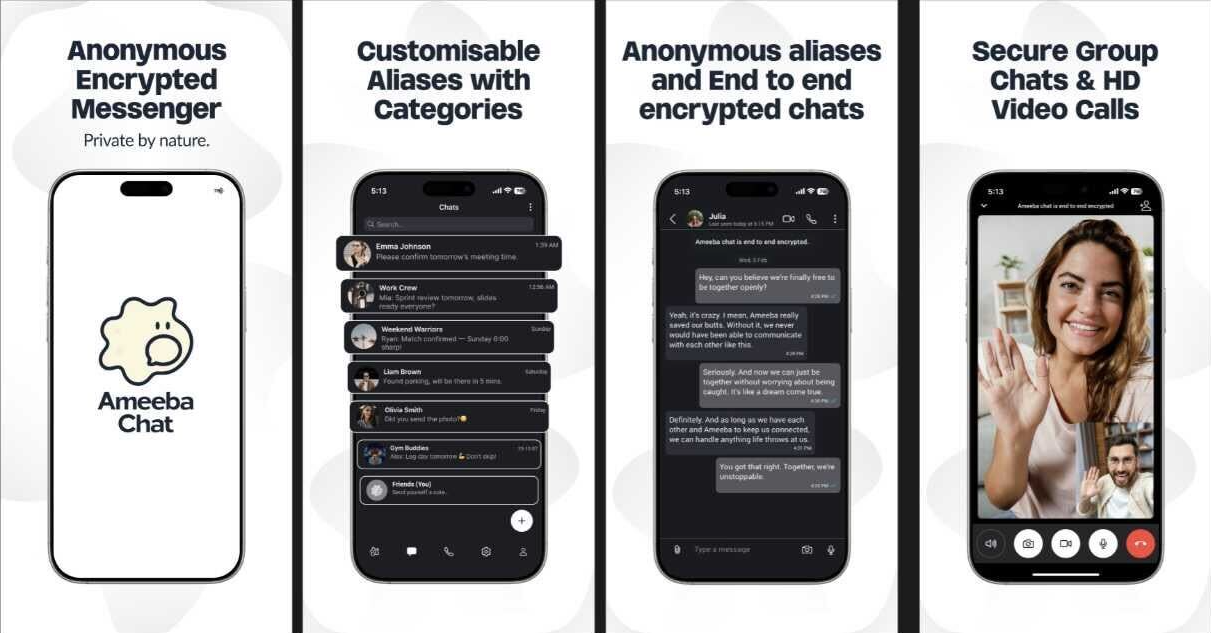
 Escape the Surveillance Era
Most apps won’t tell you the truth.
They’re part of the problem.
Phone numbers. Emails. Profiles. Logs.
It’s all fuel for surveillance.
Ameeba Chat gives you a way out.
- • No phone number
- • No email
- • No personal info
- • Anonymous aliases
- • End-to-end encrypted
Chat without a trace.
Product | Affected Versions
macOS Ventura | 13.7.5 and below
macOS Sequoia | 15.4 and below
macOS Sonoma | 14.7.5 and below
How the Exploit Works
The vulnerability lies in the mounting process of AFP network shares. When a maliciously crafted AFP network share is mounted, it can cause the system to terminate unexpectedly. This could potentially be used as a foothold for further attacks, leading to system compromise or data leakage.
Conceptual Example Code
While the exact code to exploit this vulnerability is not disclosed to prevent misuse, a conceptual example might involve a malicious actor creating a specially crafted AFP share, which when accessed, causes the system to crash. The access might be achieved through a command like:
mount_afp afp://[malicious_IP]/[malicious_share] /Volumes/[mount_point]The `[malicious_share]` would be configured in such a way that it exploits the vulnerability when mounted.
Mitigation Guidance
Users of affected macOS versions are advised to update to macOS Ventura 13.7.6, macOS Sequoia 15.5, or macOS Sonoma 14.7.6 where the issue has been resolved. Until the update can be applied, using a Web Application Firewall (WAF) or Intrusion Detection System (IDS) can serve as temporary mitigation.
