
Overview
CVE-2025-24308 refers to a critical vulnerability found in the UEFI firmware error handler for Intel’s Server D50DNP and M50FCP. The vulnerability arises from improper input validation which potentially allows a privileged user to escalate their privileges via local access. This poses a significant threat as a successful exploit could lead to system compromise or data leakage.
Vulnerability Summary
CVE ID: CVE-2025-24308
Severity: High (7.5 CVSS Score)
Attack Vector: Local
Privileges Required: High
User Interaction: None
Impact: Potential system compromise or data leakage
Affected Products
 Escape the Surveillance Era
Most apps won’t tell you the truth.
They’re part of the problem.
Phone numbers. Emails. Profiles. Logs.
It’s all fuel for surveillance.
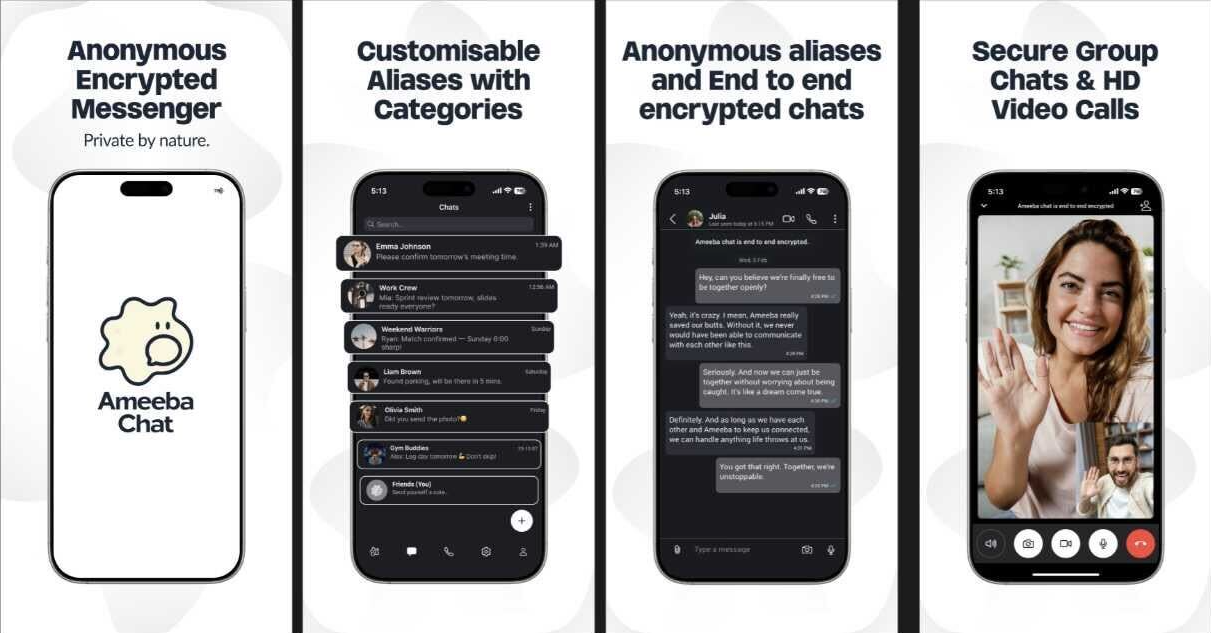
Ameeba Chat gives you a way out.
- • No phone number
- • No email
- • No personal info
- • Anonymous aliases
- • End-to-end encrypted
Chat without a trace.
Product | Affected Versions
Intel Server D50DNP | All versions prior to patch
Intel Server M50FCP | All versions prior to patch
How the Exploit Works
The vulnerability takes advantage of improper input validation in the UEFI firmware error handler. A privileged user could manipulate this by passing malicious input to the error handler. The system would then process the malicious input, leading to an escalation of privilege. This could allow the attacker to gain unauthorized access to system resources or sensitive data.
Conceptual Example Code
Here is a conceptual example of how the vulnerability might be exploited. In this scenario, a shell command is used to manipulate the input validation process:
# Attacker with local access runs a malicious command
$ echo "malicious_input" > /sys/firmware/uefi/error_handler
In this example, the “malicious_input” could be specially crafted to exploit the improper input validation, leading to privilege escalation. It’s crucial to note that this is a conceptual representation and may not reflect the actual exploit code.
Mitigation Guidance
To protect against this vulnerability, it’s recommended to apply the vendor patch as soon as it becomes available. In the interim, using a Web Application Firewall (WAF) or Intrusion Detection System (IDS) can offer temporary mitigation. Regularly updating systems, limiting user privileges, and monitoring system logs can also help in identifying and preventing potential exploits.
