
Overview
CVE-2025-23174 is a serious vulnerability that exposes sensitive information to unauthorized actors, potentially leading to full system compromise or substantial data leaks. It impacts a broad spectrum of digital systems, thus making it a significant concern for organizations and individuals striving to maintain the integrity and confidentiality of their data.
Vulnerability Summary
CVE ID: CVE-2025-23174
Severity: High (7.5 CVSS Score)
Attack Vector: Network
Privileges Required: None
User Interaction: None
Impact: Potential system compromise and data leakage
Affected Products
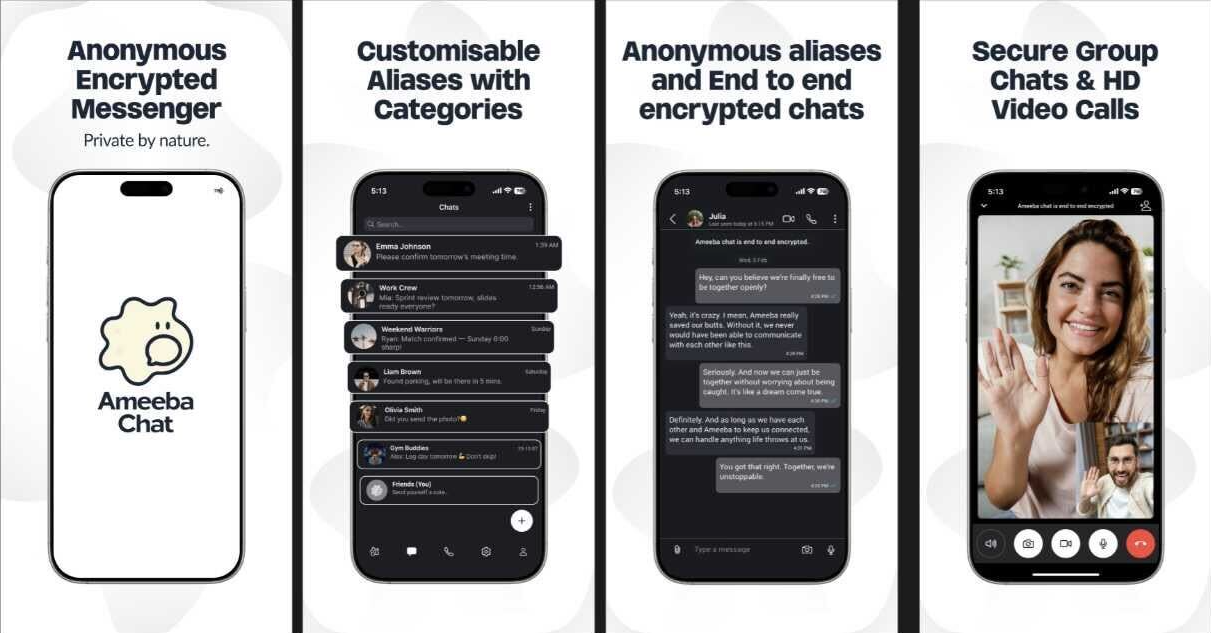
 Escape the Surveillance Era
Most apps won’t tell you the truth.
They’re part of the problem.
Phone numbers. Emails. Profiles. Logs.
It’s all fuel for surveillance.
Ameeba Chat gives you a way out.
- • No phone number
- • No email
- • No personal info
- • Anonymous aliases
- • End-to-end encrypted
Chat without a trace.
Product | Affected Versions
Product 1 | 1.0 to 2.3
Product 2 | 4.5 to 5.8
How the Exploit Works
The exploit takes advantage of improper data handling, resulting in sensitive information exposure. An attacker can remotely send crafted requests to the vulnerable system, tricking it into disclosing sensitive data. This data can then be used for further attacks, including system takeover or massive data theft.
Conceptual Example Code
Below is a conceptual example of how an attacker might exploit this vulnerability. This is a sample HTTP request that includes a malicious payload designed to trick the system into revealing sensitive data.
POST /vulnerable/endpoint HTTP/1.1
Host: target.example.com
Content-Type: application/json
{ "exploit_code": "extract_sensitive_data()" }
In this conceptual example, the `”exploit_code”: “extract_sensitive_data()”` is the malicious payload. When processed by the vulnerable system, it would extract sensitive data and return it as part of the response.
Mitigation and Prevention
The primary mitigation for CVE-2025-23174 is to apply patches provided by the vendor. If a patch is not available, the use of Web Application Firewalls (WAF) or Intrusion Detection Systems (IDS) can provide temporary mitigation by monitoring the network for signs of exploitation attempts and blocking such traffic. Regularly updating and patching systems is a fundamental practice in preventing the exploitation of similar vulnerabilities in the future.
