
Overview
The cybersecurity vulnerability identified as CVE-2025-21454 is a severe threat affecting any system that processes beacon frames. This transient Denial-of-Service (DoS) vulnerability can potentially lead to system compromise or data leakage, making it a significant concern for organizations that rely on the integrity and availability of their systems. Early detection and mitigation are vital to prevent potential exploitation by malicious actors.
Vulnerability Summary
CVE ID: CVE-2025-21454
Severity: High (CVSS 7.5)
Attack Vector: Network
Privileges Required: None
User Interaction: None
Impact: System compromise, potential data leakage
Affected Products
 Escape the Surveillance Era
Most apps won’t tell you the truth.
They’re part of the problem.
Phone numbers. Emails. Profiles. Logs.
It’s all fuel for surveillance.
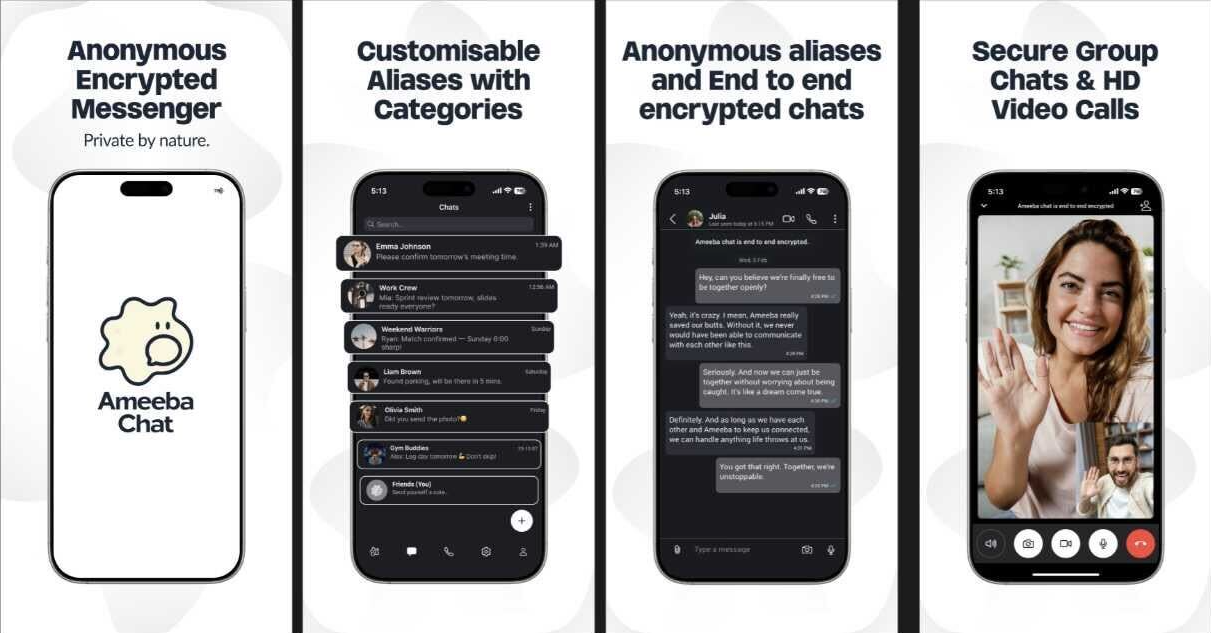
Ameeba Chat gives you a way out.
- • No phone number
- • No email
- • No personal info
- • Anonymous aliases
- • End-to-end encrypted
Chat without a trace.
Product | Affected Versions
Product 1 | Version 1.2.3
Product 2 | Version 2.3.4
How the Exploit Works
The vulnerability arises when a system incorrectly handles the processing of beacon frames. An attacker can send specially crafted beacon frames that trigger a transient DoS condition on the targeted system. This process could potentially lead to system compromise or data leakage if successfully exploited.
Conceptual Example Code
Here is a conceptual example of how this vulnerability might be exploited:
# This is a simple script to generate and send a malicious beacon frame
# Note: This is a conceptual script and may not work as is
#!/bin/bash
TARGET_IP='target.example.com'
MALICIOUS_BEACON_FRAME='...'
# Send the malicious beacon frame to the target
echo $MALICIOUS_BEACON_FRAME | nc $TARGET_IP 1234
The above script represents a simplified version of how an attacker could potentially send a malicious beacon frame to the target system to exploit this vulnerability. The actual exploit would likely involve more complex manipulation of the beacon frames and require specific knowledge of the target system.
Countermeasures
To mitigate this vulnerability, it is recommended to apply the vendor-provided patch immediately. If the patch cannot be applied immediately, deploying a Web Application Firewall (WAF) or Intrusion Detection System (IDS) can provide temporary mitigation by filtering out malicious beacon frames.
