
Overview
The vulnerability CVE-2025-21446 is a critical cybersecurity flaw which opens up targeted systems to potential compromise and data leakage. This vulnerability affects systems that process vendor-specific information elements in WLAN frames for BTM requests, causing transient Denial of Service (DoS) under certain conditions. Given the severity of potential damages and the prevalence of WLAN networks, this vulnerability is of high importance and necessitates immediate action.
Vulnerability Summary
CVE ID: CVE-2025-21446
Severity: High (CVSS 7.5)
Attack Vector: Network
Privileges Required: None
User Interaction: None
Impact: System compromise and potential data leakage
Affected Products
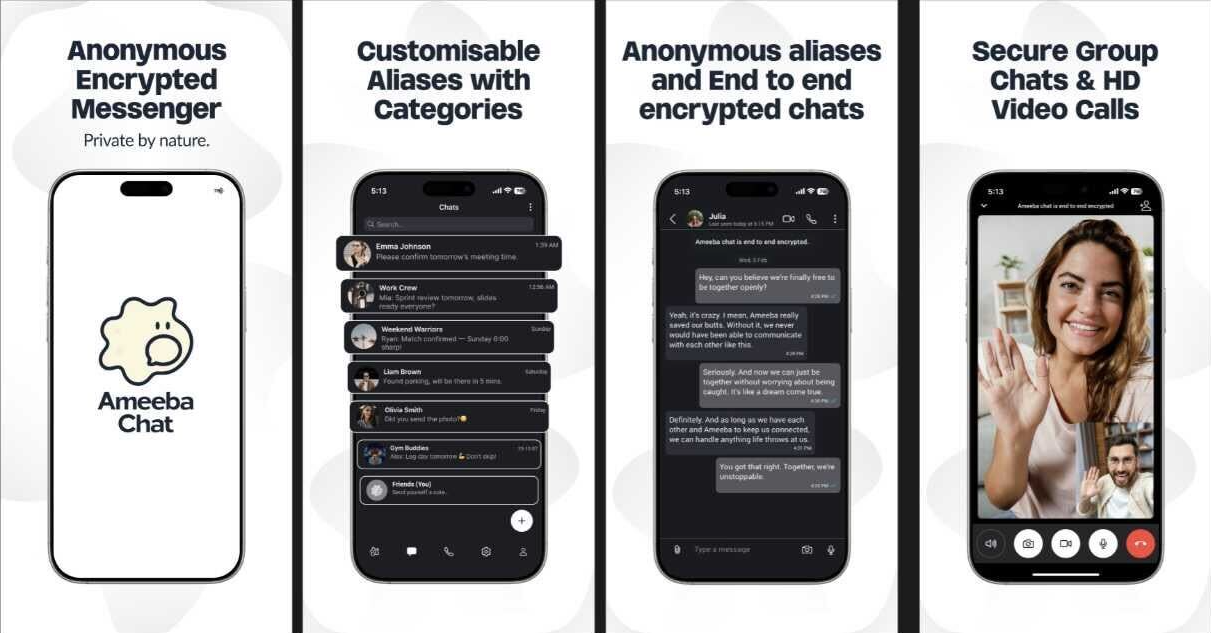
 Escape the Surveillance Era
Most apps won’t tell you the truth.
They’re part of the problem.
Phone numbers. Emails. Profiles. Logs.
It’s all fuel for surveillance.
Ameeba Chat gives you a way out.
- • No phone number
- • No email
- • No personal info
- • Anonymous aliases
- • End-to-end encrypted
Chat without a trace.
Product | Affected Versions
WLAN Network Devices | All versions prior to the vendor patch
How the Exploit Works
The exploit works by a malicious actor sending a specially crafted WLAN frame, which includes vendor-specific information elements for BTM requests. Upon processing these elements, the targeted system may experience a transient denial of service. If the system is not properly configured to handle such an event, it may lead to further system compromise and potential data leakage.
Conceptual Example Code
Given the nature of this vulnerability, a conceptual example would involve the crafting of a malicious WLAN frame. This is a complex process that involves knowledge about network protocols and lower-level system operations. However, a simplified example might look like this:
POST /process_btm_request HTTP/1.1
Host: target.example.com
Content-Type: application/wlan-frame
{ "malicious_frame": "special_vendor_specific_elements" }
In this hypothetical example, the malicious actor sends a POST request to a vulnerable endpoint with a malicious WLAN frame. The special vendor-specific elements in the frame trigger the transient denial of service, leading to potential system compromise and data leakage.
