
Overview
CVE-2025-8355 is a significant vulnerability found in Xerox FreeFlow Core version 8.0.4. This vulnerability, due to improper handling of XML input, can enable an attacker to inject external entities which can result in a Server-Side Request Forgery (SSRF). The potential impact includes compromise of the system and possible data leakage. Given its severity, the issue warrants immediate attention and remediation.
Vulnerability Summary
CVE ID: CVE-2025-8355
Severity: High (CVSS: 7.5)
Attack Vector: Network
Privileges Required: None
User Interaction: None
Impact: Server compromise, potential data leakage
Affected Products
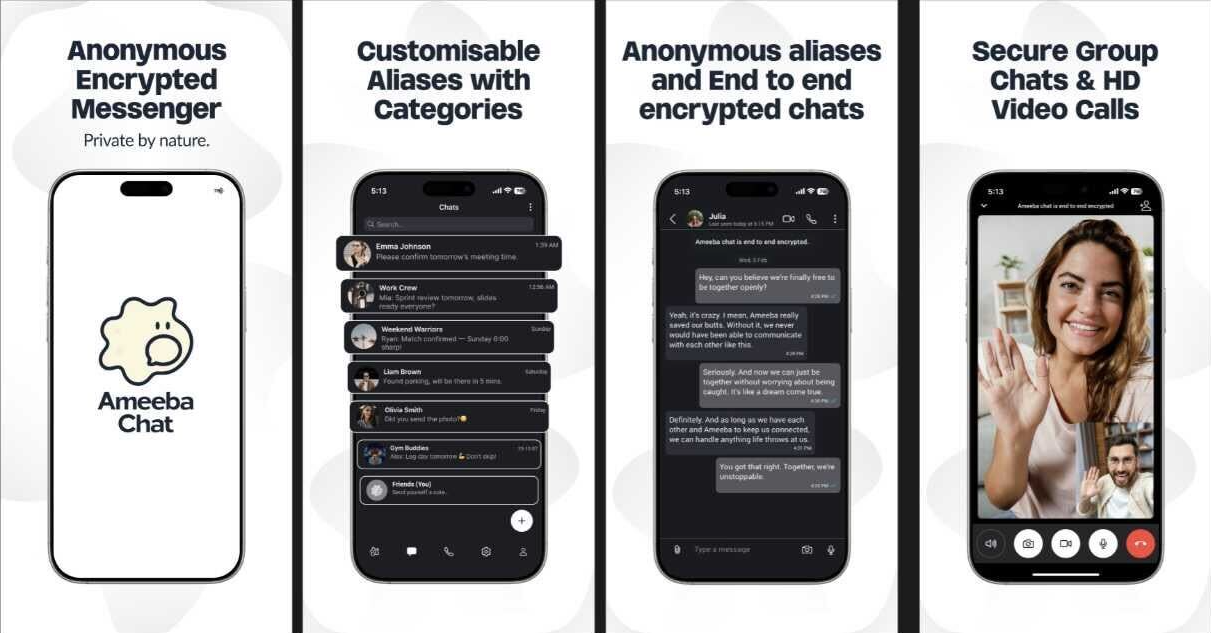
 Escape the Surveillance Era
Most apps won’t tell you the truth.
They’re part of the problem.
Phone numbers. Emails. Profiles. Logs.
It’s all fuel for surveillance.
Ameeba Chat gives you a way out.
- • No phone number
- • No email
- • No personal info
- • Anonymous aliases
- • End-to-end encrypted
Chat without a trace.
Product | Affected Versions
Xerox FreeFlow Core | 8.0.4
How the Exploit Works
The vulnerability arises due to the improper handling of XML input by Xerox FreeFlow Core 8.0.4. An attacker can craft malicious XML containing references to internal URLs, which when processed by the server, can result in a Server-Side Request Forgery. This means that the server can be tricked into making requests that it was not intended to make, leading to potential system compromise and data leakage.
Conceptual Example Code
The following is a conceptual example of how the vulnerability might be exploited. This is a mock HTTP request that contains a malicious payload in XML format:
POST /processXML HTTP/1.1
Host: target.example.com
Content-Type: application/xml
<?xml version="1.0" encoding="ISO-8859-1"?>
<!DOCTYPE foo [
<!ELEMENT foo ANY >
<!ENTITY xxe SYSTEM "file:///etc/passwd" >]>
<foo>&xxe;</foo>
In this example, the attacker is trying to access internal files via the system file URL in the XML entity.
Mitigation Guidance
To mitigate this vulnerability, users are advised to apply the vendor patch as soon as it becomes available. In the interim, using a Web Application Firewall (WAF) or Intrusion Detection System (IDS) can provide temporary mitigation. These systems can be configured to detect and block malicious XML input, thus preventing the exploitation of this vulnerability.
