
Overview
This report details the CVE-2025-8198 vulnerability that affects the MinimogWP – The High Converting eCommerce WordPress Theme. The vulnerability allows for price manipulation due to an insufficient check on quantity values, and could potentially be exploited by unauthenticated attackers to compromise the system or leak data. Being an eCommerce platform, the implications of this vulnerability are significant, as they involve potential financial loss and breach of customer trust.
Vulnerability Summary
CVE ID: CVE-2025-8198
Severity: High (7.5 CVSS Score)
Attack Vector: Web Application
Privileges Required: None
User Interaction: Required
Impact: Potential system compromise and data leakage.
Affected Products
 Escape the Surveillance Era
Most apps won’t tell you the truth.
They’re part of the problem.
Phone numbers. Emails. Profiles. Logs.
It’s all fuel for surveillance.
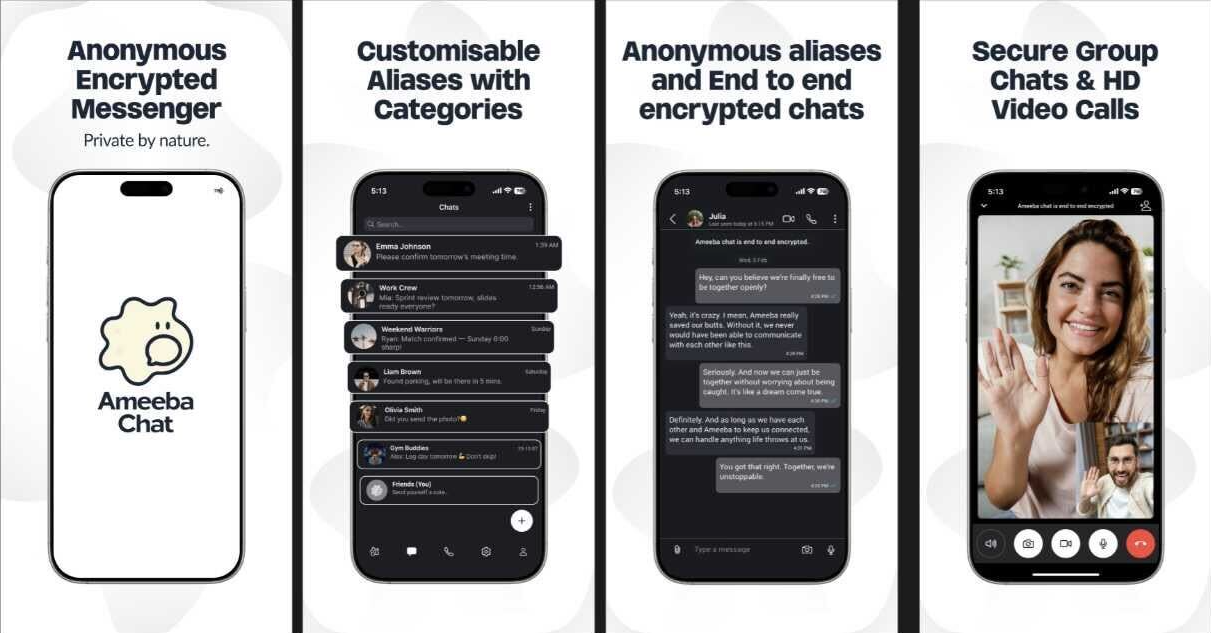
Ameeba Chat gives you a way out.
- • No phone number
- • No email
- • No personal info
- • Anonymous aliases
- • End-to-end encrypted
Chat without a trace.
Product | Affected Versions
MinimogWP WordPress Theme | All versions up to and including 3.9.0
How the Exploit Works
The vulnerability stems from the failure of the MinimogWP WordPress theme to adequately check quantity values when they are changed in the cart. This failure allows an unauthenticated attacker to modify the quantity of items in the cart to a fractional amount, which subsequently changes the total price based on the fractional amount.
Conceptual Example Code
Below is a conceptual example of how the vulnerability might be exploited:
POST /cart/update HTTP/1.1
Host: target.example.com
Content-Type: application/json
{
"item_id": "123",
"quantity": "0.1"
}
In this example, the attacker sends a POST request to the /cart/update endpoint, changing the quantity of the item with id “123” to “0.1”. This changes the total price to 10% of the original price.
Mitigation Guidance
Vendors are advised to apply the available patch immediately. Temporary mitigation can be achieved by using a Web Application Firewall (WAF) or Intrusion Detection System (IDS). It is also recommended to upgrade WooCommerce to version 9.8.2 or above, as the vulnerability cannot be exploited with this version installed.
