
Overview
This report provides a detailed analysis of the CVE-2025-8021 vulnerability, a critical flaw found in all versions of the package files-bucket-server. This vulnerability allows attackers to perform a Directory Traversal attack, leading to unauthorized access to files outside of the intended directory. This constitutes a significant risk to data integrity and system security.
Vulnerability Summary
CVE ID: CVE-2025-8021
Severity: High (7.5 CVSS Score)
Attack Vector: Network
Privileges Required: None
User Interaction: None
Impact: Unauthorized system access and potential data leakage
Affected Products
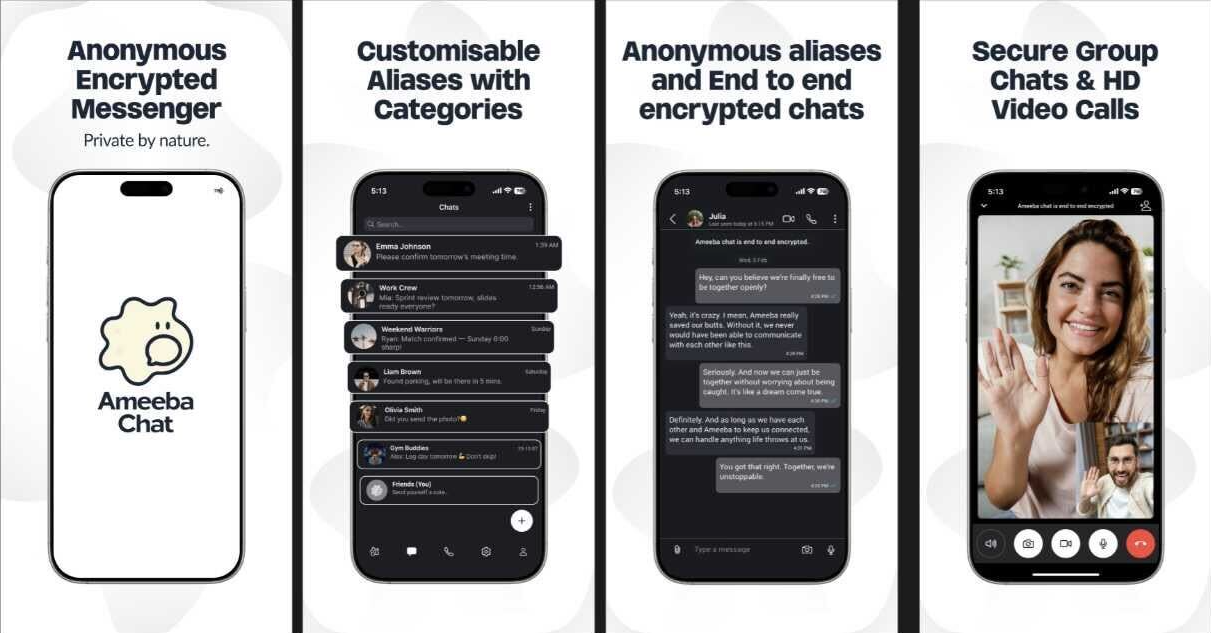
 Escape the Surveillance Era
Most apps won’t tell you the truth.
They’re part of the problem.
Phone numbers. Emails. Profiles. Logs.
It’s all fuel for surveillance.
Ameeba Chat gives you a way out.
- • No phone number
- • No email
- • No personal info
- • Anonymous aliases
- • End-to-end encrypted
Chat without a trace.
Product | Affected Versions
Files-Bucket-Server | All versions
How the Exploit Works
The exploit takes advantage of a weak point in the file handling mechanisms of Files-Bucket-Server. An attacker can manipulate the file path input in such a way that they navigate outside of the intended directory. This could allow the attacker to access sensitive files or execute scripts outside of the intended directory, leading to system compromise or data leakage.
Conceptual Example Code
Here is a conceptual example of how the vulnerability might be exploited using a manipulated HTTP request:
GET /file?path=../../../../etc/passwd HTTP/1.1
Host: target.example.com
In this example, the attacker is attempting to access the “passwd” file located in the /etc/ directory, which stores user password information. The “../” syntax is used to move up one directory level, effectively allowing the attacker to traverse the directory structure.
Recommended Mitigations
Users of the affected package are advised to apply the vendor patch as soon as it is available. In the meantime, the use of a Web Application Firewall (WAF) or Intrusion Detection System (IDS) could serve as a temporary mitigation. These systems can be configured to detect and block suspicious file path inputs, preventing the execution of this Directory Traversal attack.
