
Overview
The CVE-2025-7717 vulnerability pertains to a Missing Authorization issue that exists within Drupal File Download. This security flaw can potentially lead to unauthorized forceful browsing, posing a severe threat to systems using affected versions of the software. Due to the potential for system compromise and data leakage, addressing this vulnerability is critical for maintaining cybersecurity.
Vulnerability Summary
CVE ID: CVE-2025-7717
Severity: High, CVSS score of 7.5
Attack Vector: Network
Privileges Required: None
User Interaction: Required
Impact: Potential system compromise or data leakage
Affected Products
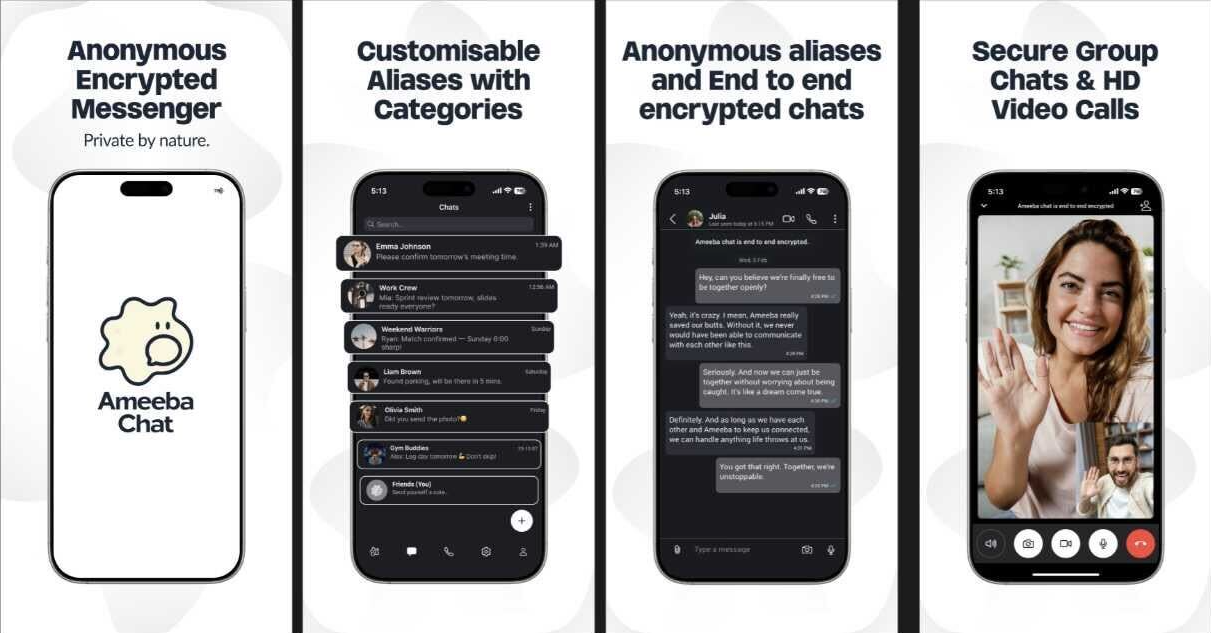
 Escape the Surveillance Era
Most apps won’t tell you the truth.
They’re part of the problem.
Phone numbers. Emails. Profiles. Logs.
It’s all fuel for surveillance.
Ameeba Chat gives you a way out.
- • No phone number
- • No email
- • No personal info
- • Anonymous aliases
- • End-to-end encrypted
Chat without a trace.
Product | Affected Versions
Drupal File Download | 0.0.0 before 1.9.0
Drupal File Download | 2.0.0 before 2.0.1
How the Exploit Works
The vulnerability arises due to inadequate authorization checks within the Drupal File Download module. An attacker with knowledge of this flaw can craft specific requests to download files they should not have access to, bypassing the intended permissions. This unauthorized access can potentially result in system compromise or data leakage.
Conceptual Example Code
Here is a conceptual example of how an attacker might exploit this vulnerability:
GET /file/download?file=../../sensitive_data.txt HTTP/1.1
Host: target.example.com
In this example, the attacker is trying to exploit the vulnerability by attempting a directory traversal attack, requesting a sensitive file that should not be publicly accessible.
Mitigation Guidance
Users of affected versions are advised to promptly apply the vendor-supplied patch to mitigate this vulnerability. As a temporary measure, the use of a Web Application Firewall (WAF) or Intrusion Detection System (IDS) can help detect and block exploit attempts. Regularly updating and patching software is also a critical part of maintaining a strong cybersecurity posture.
