
Overview
The BizCalendar Web plugin for WordPress versions up to and including 1.1.0.50 suffers from a critical Local File Inclusion vulnerability. The vulnerability, tracked as CVE-2025-7650, could allow an authenticated attacker with Contributor-level access or higher to execute arbitrary files on the server and potentially compromise the system. Businesses using this plugin must take immediate action to secure their systems.
Vulnerability Summary
CVE ID: CVE-2025-7650
Severity: High (7.5 CVSS)
Attack Vector: Local File Inclusion
Privileges Required: Contributor-level access
User Interaction: Required
Impact: System compromise, data leakage
Affected Products
 Escape the Surveillance Era
Most apps won’t tell you the truth.
They’re part of the problem.
Phone numbers. Emails. Profiles. Logs.
It’s all fuel for surveillance.
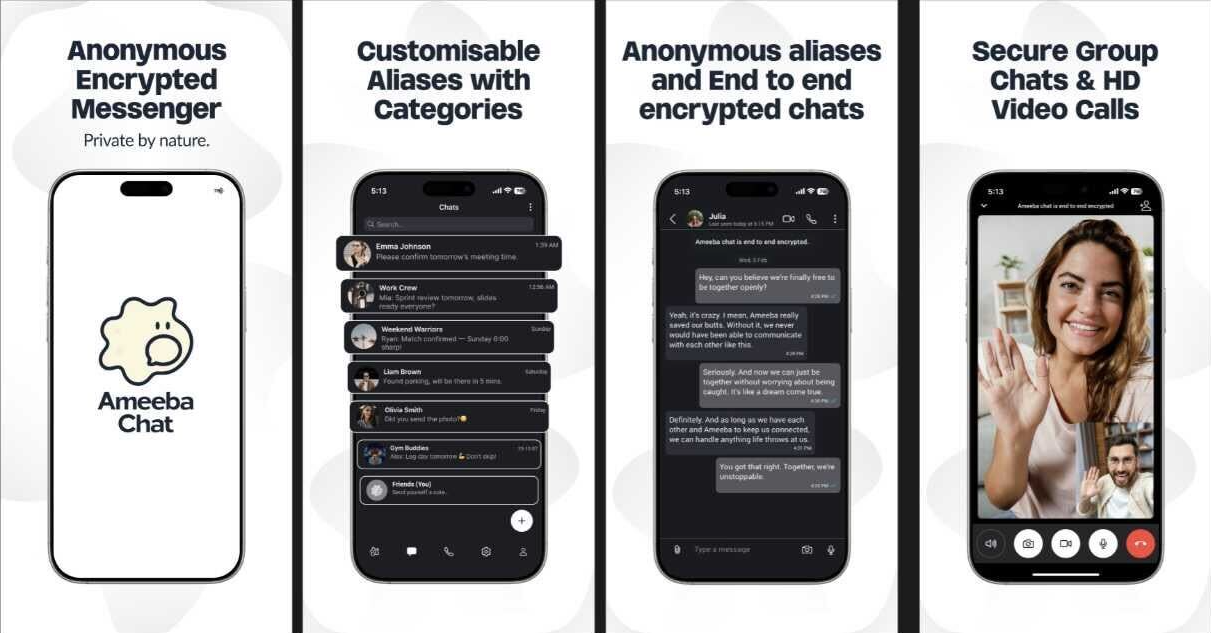
Ameeba Chat gives you a way out.
- • No phone number
- • No email
- • No personal info
- • Anonymous aliases
- • End-to-end encrypted
Chat without a trace.
Product | Affected Versions
BizCalendar Web plugin for WordPress | Up to and including 1.1.0.50
How the Exploit Works
An attacker with Contributor-level access can exploit this vulnerability by using the ‘bizcalv’ shortcode, which is vulnerable to Local File Inclusion. By manipulating the shortcode, an attacker can include and execute arbitrary files on the server. If the attacker can upload and include PHP files or other “safe” file types like images, they can execute arbitrary PHP code in those files. This could allow the attacker to bypass access controls, obtain sensitive data, or even execute code on the server.
Conceptual Example Code
Below is a conceptual example of how the vulnerability might be exploited. In this scenario, the attacker utilizes the ‘bizcalv’ shortcode to include a malicious PHP file.
POST /wp-admin/admin-ajax.php?action=bizcalendar_render&bizcalv=/../../../../malicious.php HTTP/1.1
Host: target.example.com
Content-Type: application/x-www-form-urlencoded
{ "shortcode": "[bizcalv]" }
Mitigation Guidance
The recommended mitigation strategy is to apply the vendor patch as soon as it is available. In the meantime, using a Web Application Firewall (WAF) or an Intrusion Detection System (IDS) can serve as a temporary mitigation measure.
