
Overview
The cybersecurity community has identified a significant vulnerability, CVE-2025-7472, within the Intercept X for Windows installer. This local privilege escalation vulnerability potentially allows a local user to gain system level privileges, thereby threatening the integrity of the affected system. As it impacts a large base of Windows users, this vulnerability is of high concern and requires immediate attention from system administrators and cybersecurity personnel.
Vulnerability Summary
CVE ID: CVE-2025-7472
Severity: High (CVSS: 7.5)
Attack Vector: Local
Privileges Required: Low
User Interaction: Required
Impact: System compromise or data leakage
Affected Products
 Escape the Surveillance Era
Most apps won’t tell you the truth.
They’re part of the problem.
Phone numbers. Emails. Profiles. Logs.
It’s all fuel for surveillance.
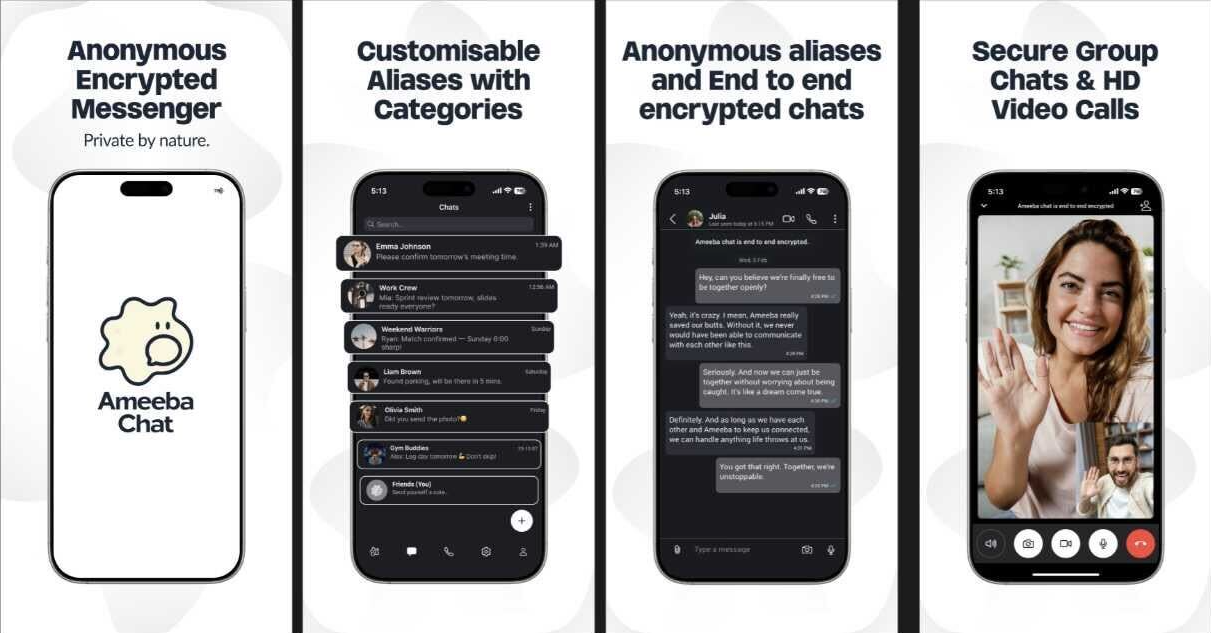
Ameeba Chat gives you a way out.
- • No phone number
- • No email
- • No personal info
- • Anonymous aliases
- • End-to-end encrypted
Chat without a trace.
Product | Affected Versions
Intercept X for Windows Installer| Prior to 1.22
How the Exploit Works
The vulnerability arises due to insufficient security restrictions in the Intercept X for Windows installer. A local user, with low-level privileges, can manipulate the installer when it’s run as SYSTEM. This manipulation can elevate the user’s privileges to system level, providing them unrestricted access to the system and its resources. Consequently, this access can lead to system compromise or significant data leakage.
Conceptual Example Code
Given the nature of the vulnerability, a conceptual example might be a local user running a command in the command prompt to exploit the vulnerability like this:
C:\> InterceptXInstaller.exe /runas=SYSTEM /exploitIn this hypothetical example, the local user runs the Intercept X installer with SYSTEM privileges and includes an ‘/exploit’ flag, which triggers the vulnerability, elevating the user’s privileges to system level. This is a conceptual illustration and the actual exploit might be far more complex and discreet.
Mitigation Guidance
To protect your systems from this vulnerability, apply the vendor-provided patch immediately. If the patch is not yet available or cannot be applied immediately, consider employing a Web Application Firewall (WAF) or Intrusion Detection System (IDS) as temporary mitigation. However, these measures should not replace the vendor’s patch, which is the most secure and permanent solution to this vulnerability.
