
Overview
CVE-2025-7403 is a critical vulnerability affecting the handling of bt_conn_tx_processor. This vulnerability enables an attacker to cause a use-after-free condition, leading to a write-before-zero scenario. The issue arises from an error in handling, which allows the attacker to control the written four bytes, causing precise memory corruption. This vulnerability is critical as it poses potential risks for system compromise and data leakage.
Vulnerability Summary
CVE ID: CVE-2025-7403
Severity: High (7.6 CVSS score)
Attack Vector: Network
Privileges Required: None
User Interaction: None
Impact: Potential system compromise or data leakage
Affected Products
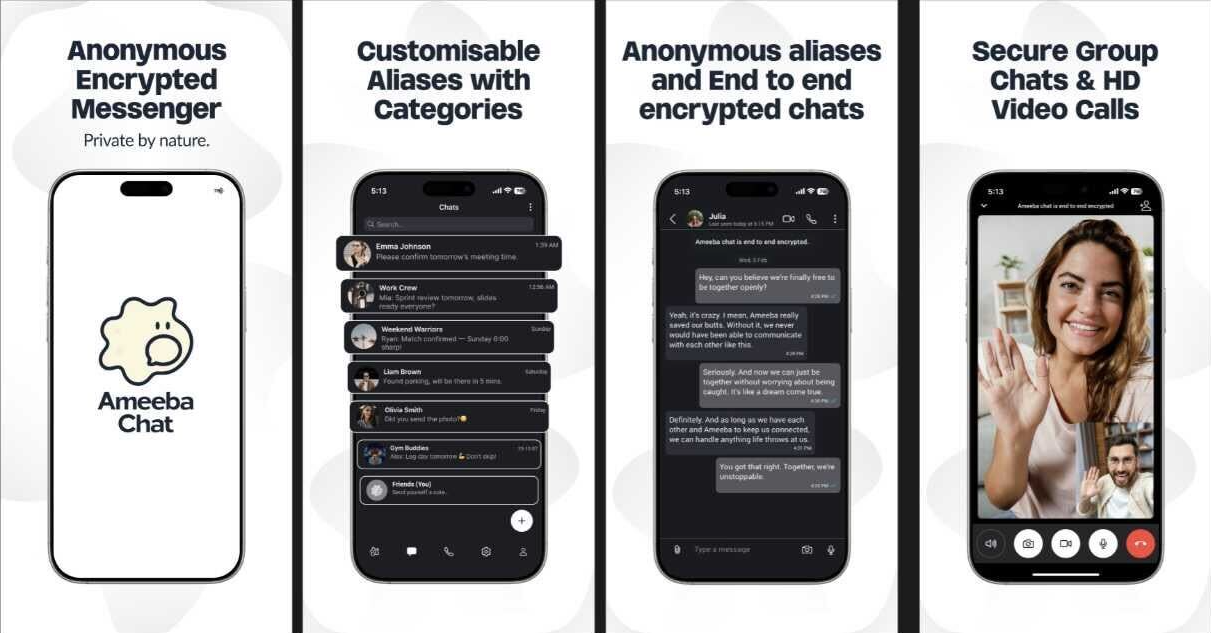
 Escape the Surveillance Era
Most apps won’t tell you the truth.
They’re part of the problem.
Phone numbers. Emails. Profiles. Logs.
It’s all fuel for surveillance.
Ameeba Chat gives you a way out.
- • No phone number
- • No email
- • No personal info
- • Anonymous aliases
- • End-to-end encrypted
Chat without a trace.
Product | Affected Versions
bt_conn_tx_processor | All versions to current
How the Exploit Works
The exploitation of this vulnerability involves an attacker taking advantage of the unsafe handling in bt_conn_tx_processor. The attacker can corrupt the memory by controlling the written four bytes due to a use-after-free condition. This precise memory corruption could lead to potential system compromise or data leakage, primarily if the corrupted data is sensitive or critical to system operations.
Conceptual Example Code
A conceptual example of how an attacker might exploit this vulnerability could be through a malicious payload sent to the vulnerable system:
POST /bt_conn_tx_processor/endpoint HTTP/1.1
Host: target.example.com
Content-Type: application/json
{
"malicious_payload": "4_bytes_controlled_data"
}
In the above example, “4_bytes_controlled_data” represents the four bytes of data that the attacker can control and which the vulnerable system would write before zero due to the use-after-free condition, thereby exploiting the vulnerability.
Mitigation
To mitigate this vulnerability, users should apply the vendor patch as soon as it becomes available. In the meantime, using a Web Application Firewall (WAF) or Intrusion Detection System (IDS) can provide temporary mitigation by detecting and blocking attempts to exploit this vulnerability.
