
Overview
The vulnerability CVE-2025-7338 pertains to Multer, a widely used middleware for handling multipart/form-data in Node.js. This vulnerability, present in versions 1.4.4-lts.1 to 2.0.1, could potentially allow an attacker to trigger a Denial of Service (DoS) attack, crashing the system and possibly leading to system compromise or data leakage.
Vulnerability Summary
CVE ID: CVE-2025-7338
Severity: High (7.5 CVSS)
Attack Vector: Network
Privileges Required: None
User Interaction: None
Impact: Denial of Service, potential system compromise, and data leakage
Affected Products
 Escape the Surveillance Era
Most apps won’t tell you the truth.
They’re part of the problem.
Phone numbers. Emails. Profiles. Logs.
It’s all fuel for surveillance.
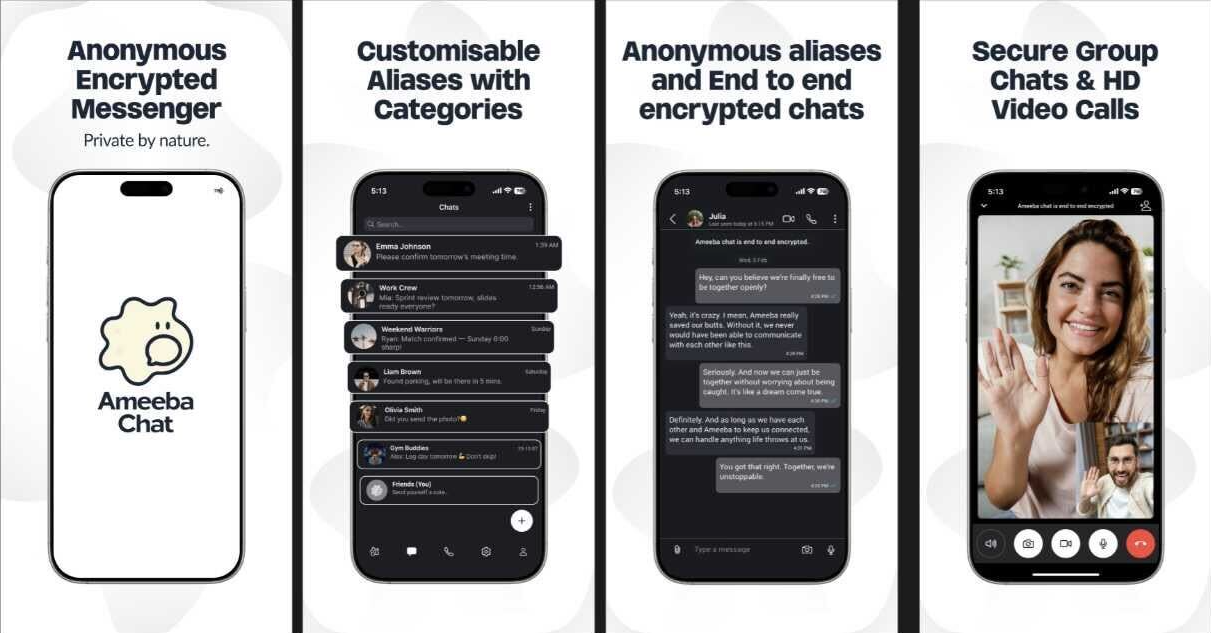
Ameeba Chat gives you a way out.
- • No phone number
- • No email
- • No personal info
- • Anonymous aliases
- • End-to-end encrypted
Chat without a trace.
Product | Affected Versions
Multer | 1.4.4-lts.1 to 2.0.1
How the Exploit Works
An attacker can exploit this vulnerability by sending a malformed multi-part upload request to the server running a vulnerable version of Multer. This malformed request triggers an unhandled exception in the Multer middleware, which in turn causes the Node.js process to crash, resulting in a Denial of Service.
Conceptual Example Code
Below is a conceptual example of how the vulnerability might be exploited using an HTTP request with a malformed multi-part body.
POST /upload HTTP/1.1
Host: target.example.com
Content-Type: multipart/form-data; boundary=----WebKitFormBoundary7MA4YWxkTrZu0gW
------WebKitFormBoundary7MA4YWxkTrZu0gW
Content-Disposition: form-data; name="file"; filename="malformed_file"
Content-Type: application/octet-stream
{ "malicious_payload": "..." }
------WebKitFormBoundary7MA4YWxkTrZu0gW--
The ‘malicious_payload’ would be crafted in a way that it causes the unhandled exception when parsed by the Multer middleware.
Please note this is a simplified example and actual exploit may involve complex and obfuscated malicious data.
