
Overview
The GoZen Forms plugin for WordPress, a popular tool for creating interactive forms, has been identified as carrying a significant SQL Injection vulnerability. This vulnerability affects all versions up to and including 1.1.5 and can allow unauthenticated attackers to manipulate SQL queries to extract sensitive data. Given the widespread use of WordPress and the GoZen Forms plugin, this vulnerability poses a serious risk to numerous websites and their associated databases.
Vulnerability Summary
CVE ID: CVE-2025-6782
Severity: High (7.5 CVSS Score)
Attack Vector: Network
Privileges Required: None
User Interaction: None
Impact: System compromise or data leakage
Affected Products
 Escape the Surveillance Era
Most apps won’t tell you the truth.
They’re part of the problem.
Phone numbers. Emails. Profiles. Logs.
It’s all fuel for surveillance.
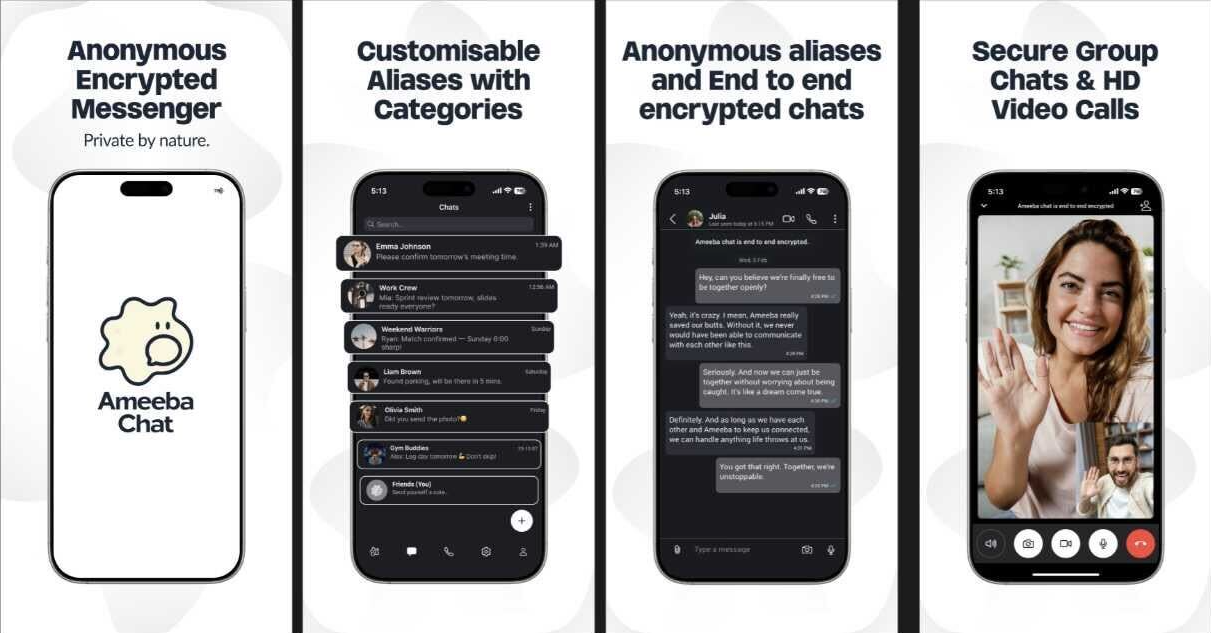
Ameeba Chat gives you a way out.
- • No phone number
- • No email
- • No personal info
- • Anonymous aliases
- • End-to-end encrypted
Chat without a trace.
Product | Affected Versions
GoZen Forms WordPress Plugin | Up to and including 1.1.5
How the Exploit Works
The vulnerability lies in the ‘forms-id’ parameter of the dirGZActiveForm() function. Due to insufficient escaping on this user-supplied parameter and inadequate preparation of the SQL query, an attacker can append additional SQL queries into already existing ones. These modified queries can then be used to extract sensitive information from the database linked to the WordPress site.
Conceptual Example Code
This is a conceptual example demonstrating the potential exploitation of the vulnerability.
POST /wp-content/plugins/gozen-forms/dirGZActiveForm.php HTTP/1.1
Host: targetsite.com
forms-id=1';SELECT * FROM wp_users;--
In this example, the malicious payload is `1′;SELECT * FROM wp_users;–`, which would inject an additional SQL command after the original query that extracts all user information from the `wp_users` table.
Recommended Mitigation
To mitigate this vulnerability, apply the vendor patch as soon as it’s available. In the meantime, employing a Web Application Firewall (WAF) or Intrusion Detection System (IDS) can serve as a temporary solution.
