
Overview
The Sight Bulb Pro, a popular device in the smart home industry, has been discovered to have a critical vulnerability identified as CVE-2025-6521. During the initial setup, the device broadcasts an access point with AES encryption keys passed in cleartext. This flaw can potentially expose sensitive information, such as network credentials, if intercepted by an attacker.
Vulnerability Summary
CVE ID: CVE-2025-6521
Severity: High Risk – CVSS Score: 7.6
Attack Vector: Network
Privileges Required: None
User Interaction: Required
Impact: System compromise and potential data leakage
Affected Products
 Escape the Surveillance Era
Most apps won’t tell you the truth.
They’re part of the problem.
Phone numbers. Emails. Profiles. Logs.
It’s all fuel for surveillance.
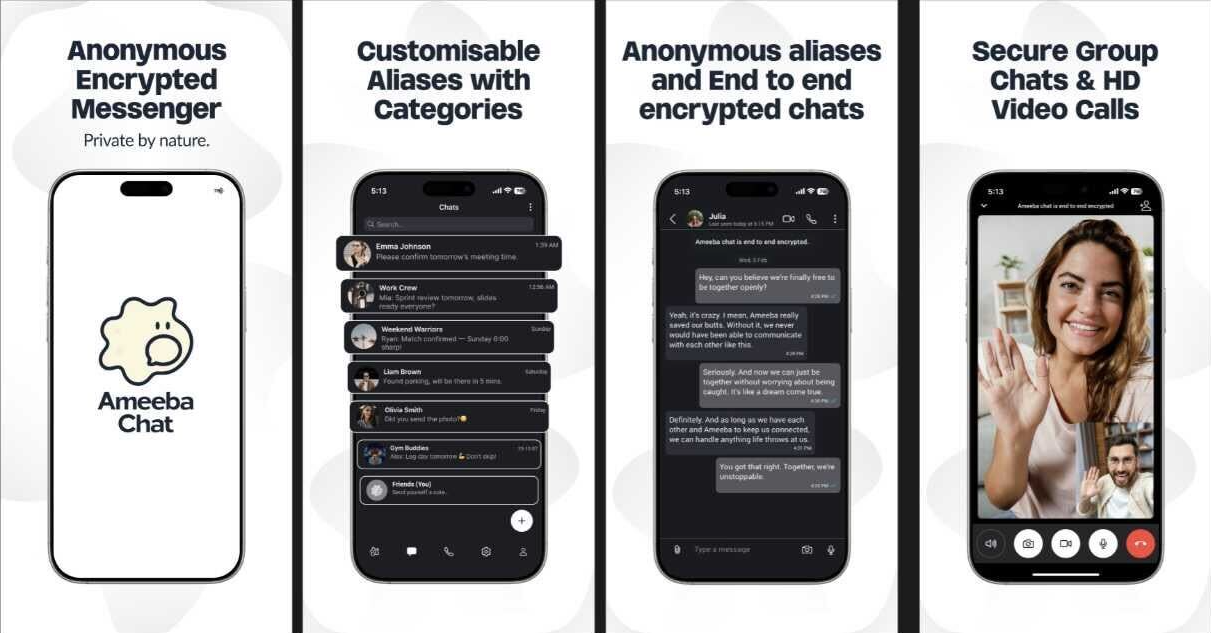
Ameeba Chat gives you a way out.
- • No phone number
- • No email
- • No personal info
- • Anonymous aliases
- • End-to-end encrypted
Chat without a trace.
Product | Affected Versions
Sight Bulb Pro | All versions prior to Vendor Patch
How the Exploit Works
The vulnerability resides in the initial setup of the Sight Bulb Pro device where it broadcasts an access point. The device sends AES encryption keys in cleartext which can be captured by an attacker within the network. With these keys, an attacker can decrypt communications between the management app and the Sight Bulb Pro, potentially gaining access to sensitive information such as network credentials.
Conceptual Example Code
An attacker could monitor network traffic during the initial setup of the device and capture the unencrypted AES keys. This could be done using a packet sniffing tool like Wireshark:
$ sudo wireshark -i wlan0 -k -Y 'wlan.fc.type_subtype == 0x08'This command starts Wireshark on the wlan0 interface, captures packets, and filters for beacon frames broadcast by the Sight Bulb Pro during setup. The attacker could then analyze the captured traffic for the unencrypted AES keys.
Mitigation
Users are advised to apply the vendor patch as soon as it’s available. In the interim, using a Web Application Firewall (WAF) or Intrusion Detection System (IDS) can provide temporary mitigation. These systems should be configured to monitor for suspicious network traffic and potential exploitation of this vulnerability.
