
Overview
The CVE-2025-6253 vulnerability affects the UiCore Elements – a free Elementor widgets and templates plugin for WordPress. This vulnerability allows unauthenticated attackers to read arbitrary files on the server, potentially leading to system compromise or data leakage. As WordPress is a widely used platform, this vulnerability could potentially impact a large number of websites and businesses.
Vulnerability Summary
CVE ID: CVE-2025-6253
Severity: High (CVSS: 7.5)
Attack Vector: Network
Privileges Required: None
User Interaction: None
Impact: System compromise or data leakage due to unauthorized access to arbitrary files on the server
Affected Products
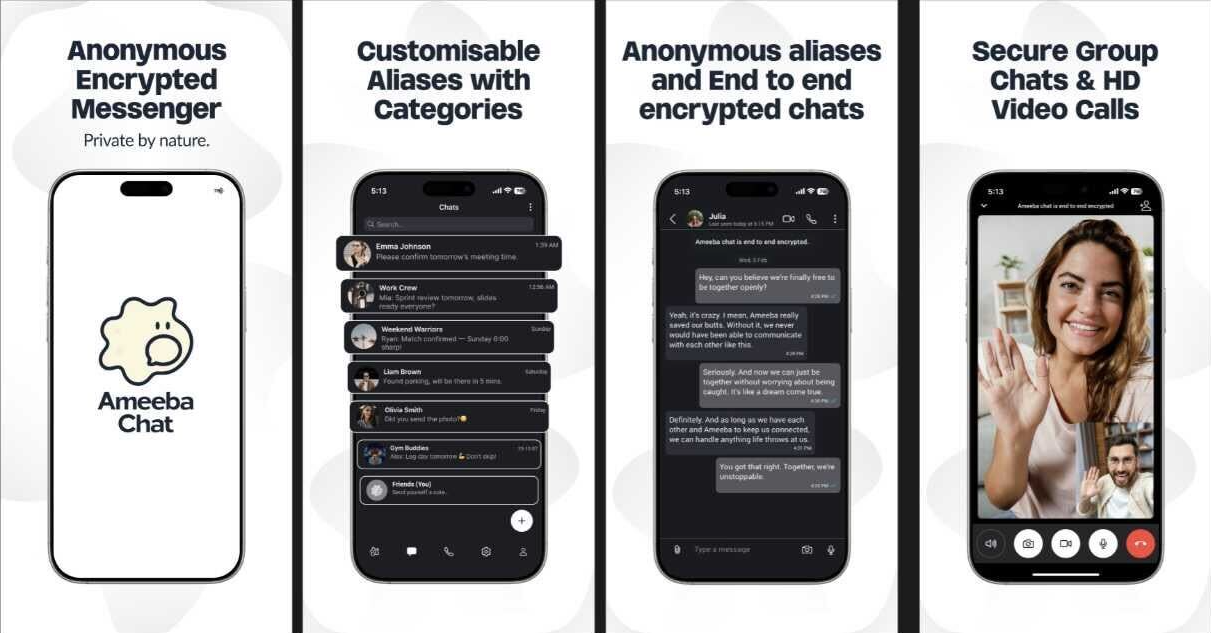
 Escape the Surveillance Era
Most apps won’t tell you the truth.
They’re part of the problem.
Phone numbers. Emails. Profiles. Logs.
It’s all fuel for surveillance.
Ameeba Chat gives you a way out.
- • No phone number
- • No email
- • No personal info
- • Anonymous aliases
- • End-to-end encrypted
Chat without a trace.
Product | Affected Versions
UiCore Elements for WordPress | Up to and including 1.3.0
How the Exploit Works
The exploit takes advantage of a lack of capability check and insufficient controls in the prepare_template() function of the UiCore Elements plugin. This allows an attacker to specify a filename and read its contents without any authorization. The exploit can be conducted remotely over a network without any user interaction.
Conceptual Example Code
Here is a conceptual example of how the vulnerability might be exploited. This example uses an HTTP GET request to read a file on the server.
GET /wp-content/plugins/uicore-elements/download.php?file=../../../wp-config.php HTTP/1.1
Host: target.example.com
In this example, the attacker is attempting to read the wp-config.php file, which contains sensitive configuration data for the WordPress install.
Mitigation Guidance
To mitigate this vulnerability, users are advised to apply the vendor’s patch. If a patch is not available, using a Web Application Firewall (WAF) or Intrusion Detection System (IDS) can provide temporary mitigation. Ensuring that file permissions are correctly set and limiting access to sensitive data can also help protect against this type of attack.
