
Overview
The vulnerability identified as CVE-2025-6073 is a critical flaw in ABB RMC-100 and RMC-100 LITE. It’s a stack-based buffer overflow vulnerability which, when exploited, can potentially lead to system compromise or data leakage. This vulnerability matters due to its high severity score and the potential impact on the affected systems.
Vulnerability Summary
CVE ID: CVE-2025-6073
Severity: High (CVSS: 7.5)
Attack Vector: Network
Privileges Required: Low
User Interaction: None
Impact: System compromise or data leakage
Affected Products
 Escape the Surveillance Era
Most apps won’t tell you the truth.
They’re part of the problem.
Phone numbers. Emails. Profiles. Logs.
It’s all fuel for surveillance.
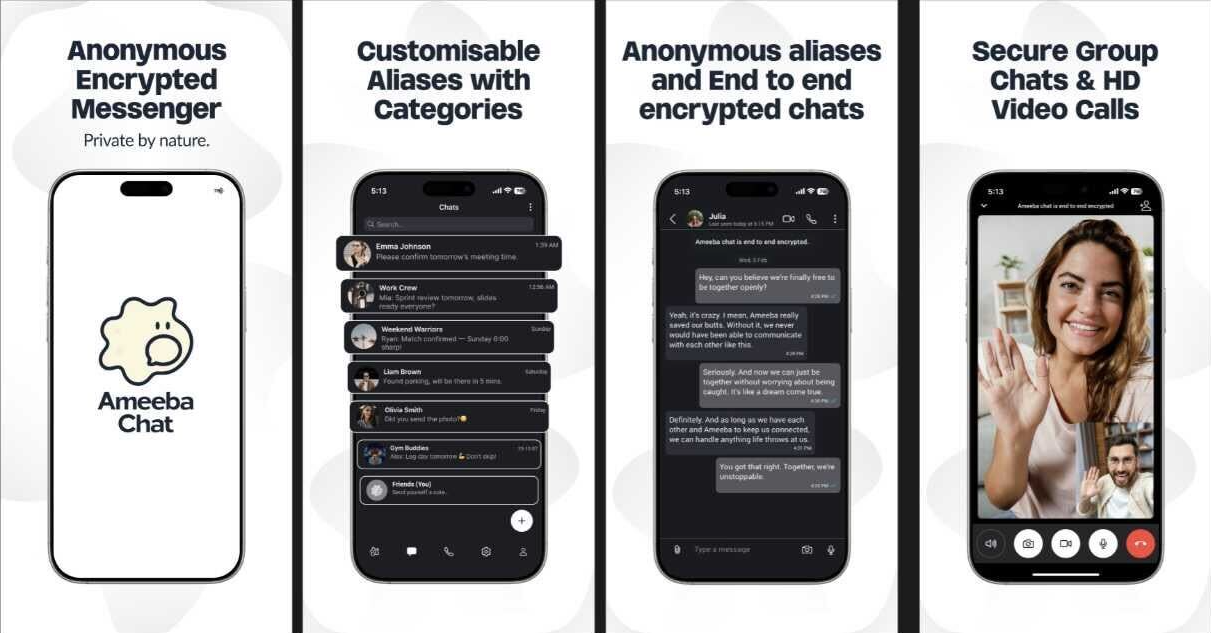
Ameeba Chat gives you a way out.
- • No phone number
- • No email
- • No personal info
- • Anonymous aliases
- • End-to-end encrypted
Chat without a trace.
Product | Affected Versions
ABB RMC-100 | 2105457-043 through 2105457-045
ABB RMC-100 LITE | 2106229-015 through 2106229-016
How the Exploit Works
The vulnerability arises when the REST interface is enabled by a user and an attacker gains access to the control network. When user/password broker authentication is enabled, and the CVE-2025-6074 is exploited, the attacker can overflow the buffer for username or password, leading to potential system compromise or data leakage.
Conceptual Example Code
Here is a conceptual example of how the vulnerability might be exploited. This example is an HTTP request that could be used to send a malicious payload to the vulnerable endpoint.
POST /rest_interface/login HTTP/1.1
Host: target.example.com
Content-Type: application/json
{
"username": "validuser",
"password": "A"*5000  //An example of a Buffer overflow attack
}
In this example, the password field is filled with a number of ‘A’ characters exceeding the buffer size, leading to overflow. This can allow the attacker to potentially overwrite data in the memory and execute arbitrary code.
