
Overview
The CVE-2025-6023 vulnerability involves an open redirect vulnerability in Grafana OSS, a popular open-source platform for monitoring and observability. The vulnerability, which was first introduced in Grafana v11.5.0, has the potential to be exploited for cross-site scripting (XSS) attacks. It poses a significant risk to system security and data integrity, emphasizing the need for immediate mitigation.
Vulnerability Summary
CVE ID: CVE-2025-6023
Severity: High (CVSS: 7.6)
Attack Vector: Network
Privileges Required: None
User Interaction: Required
Impact: Potential system compromise or data leakage
Affected Products
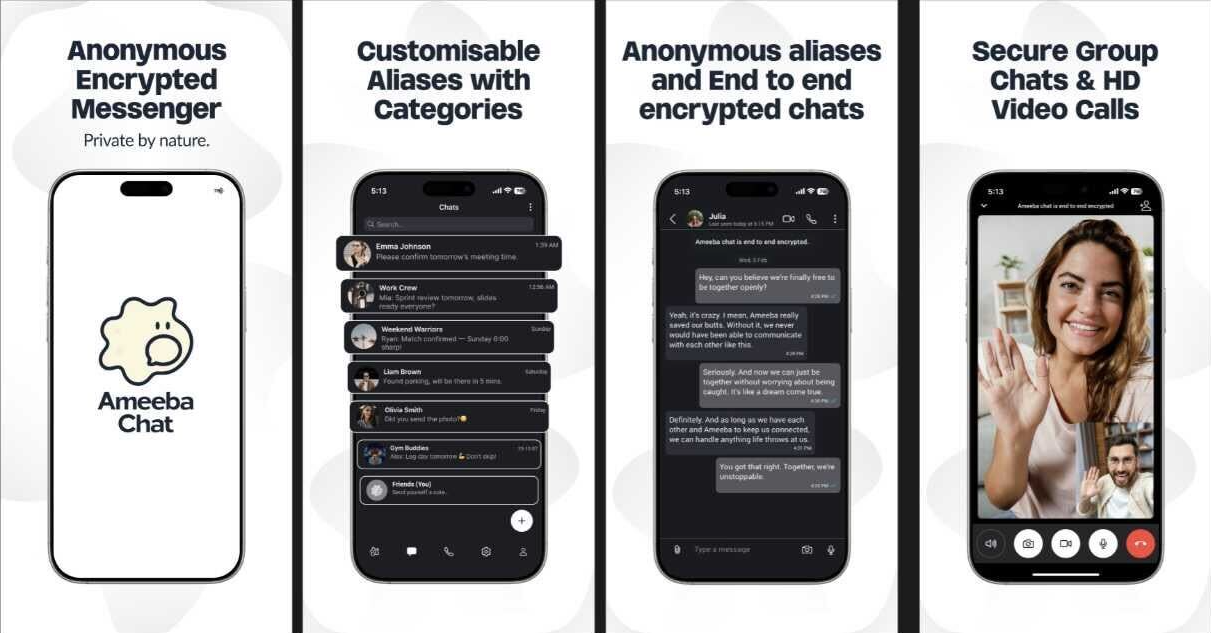
 Escape the Surveillance Era
Most apps won’t tell you the truth.
They’re part of the problem.
Phone numbers. Emails. Profiles. Logs.
It’s all fuel for surveillance.
Ameeba Chat gives you a way out.
- • No phone number
- • No email
- • No personal info
- • Anonymous aliases
- • End-to-end encrypted
Chat without a trace.
Product | Affected Versions
Grafana OSS | 11.5.0 to 11.6.2, 11.5.0 to 11.5.5, 11.5.0 to 11.4.5, 11.5.0 to 11.3.7
How the Exploit Works
The exploit takes advantage of an open redirect vulnerability in Grafana OSS, using it as a springboard to launch XSS attacks. By manipulating URLs, an attacker can redirect victims to malicious websites where XSS payloads can be delivered. Furthermore, the vulnerability can be chained with path traversal vulnerabilities, enhancing the potential impact of the XSS attack.
Conceptual Example Code
Below is a conceptual example of an HTTP request that exploits the vulnerability:
GET /redirect?url=http://malicious-site.com/xss_payload HTTP/1.1
Host: vulnerable-grafana.example.com
In this example, the GET request asks the Grafana server to redirect to a malicious URL containing the XSS payload.
Mitigation Guidance
Affected users are advised to apply the vendor patch immediately. The vulnerability has been fixed in Grafana versions 12.0.2+security-01, 11.6.3+security-01, 11.5.6+security-01, 11.4.6+security-01 and 11.3.8+security-01. As a temporary mitigation, users may also implement a Web Application Firewall (WAF) or Intrusion Detection System (IDS).
