
Overview
The vulnerability CVE-2025-59305 exposes a critical flaw in Langfuse 3.1, a widely used software, which can cause severe damage to the system. It allows any authenticated user to access and control migration functions, leading to unauthorized access to TRPC endpoints. The potential impact includes system compromise and data leakage, making it an urgent issue to address.
Vulnerability Summary
CVE ID: CVE-2025-59305
Severity: High (CVSS: 7.6)
Attack Vector: Network
Privileges Required: Low
User Interaction: Required
Impact: Unauthorized access to migration control functions, potential data corruption, denial of service, and data leakage.
Affected Products
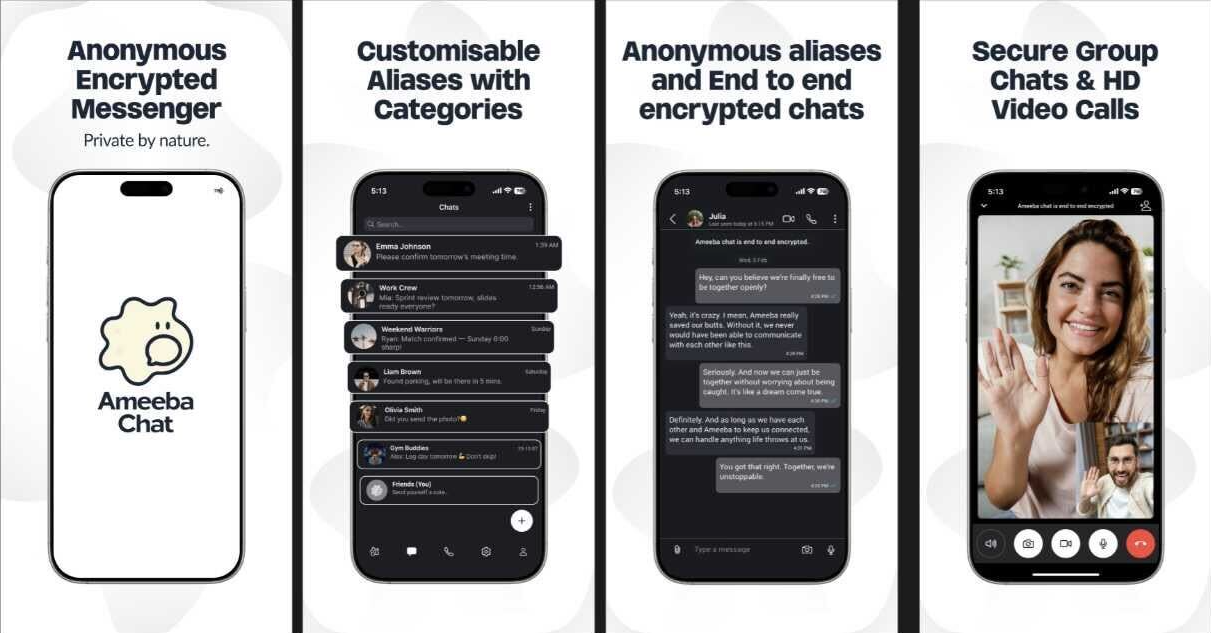
 Escape the Surveillance Era
Most apps won’t tell you the truth.
They’re part of the problem.
Phone numbers. Emails. Profiles. Logs.
It’s all fuel for surveillance.
Ameeba Chat gives you a way out.
- • No phone number
- • No email
- • No personal info
- • Anonymous aliases
- • End-to-end encrypted
Chat without a trace.
Product | Affected Versions
Langfuse | 3.1 before d67b317
How the Exploit Works
The vulnerability resides in the improper authorization of the background migration endpoints of Langfuse 3.1. This flaw permits any authenticated user to invoke migration control functions, leading to unauthorized access to critical TRPC endpoints including backgroundMigrations.all, backgroundMigrations.status, and backgroundMigrations.retry. This could potentially corrupt data or cause denial of service.
Conceptual Example Code
Here is a conceptual example of how the vulnerability might be exploited. This could be a malicious HTTP request sent to a vulnerable endpoint:
POST /backgroundMigrations.all HTTP/1.1
Host: target.example.com
Content-Type: application/json
Authorization: Bearer <user_token>
{
"command": "start new migration",
"parameters": { "source": "production", "target": "backup" }
}
In this example, the attacker uses a legitimate user token to send a migration command to the “backgroundMigrations.all” endpoint, manipulating the system to start a new migration from the production database to a backup. This could lead to data corruption or even a denial of service attack if the migration is sufficiently large or complex.
