
Overview
CVE-2025-59251 is a major vulnerability discovered in the Chromium-based Microsoft Edge browser. It allows an attacker to execute arbitrary code on an affected system remotely. This vulnerability is a significant threat to the confidentiality, integrity, and availability of user data and system resources, making it a critical issue that requires immediate attention.
Vulnerability Summary
CVE ID: CVE-2025-59251
Severity: High (7.6 CVSS score)
Attack Vector: Network
Privileges Required: None
User Interaction: Required
Impact: The vulnerability leads to potential system compromise and data leakage if successfully exploited.
Affected Products
 Escape the Surveillance Era
Most apps won’t tell you the truth.
They’re part of the problem.
Phone numbers. Emails. Profiles. Logs.
It’s all fuel for surveillance.
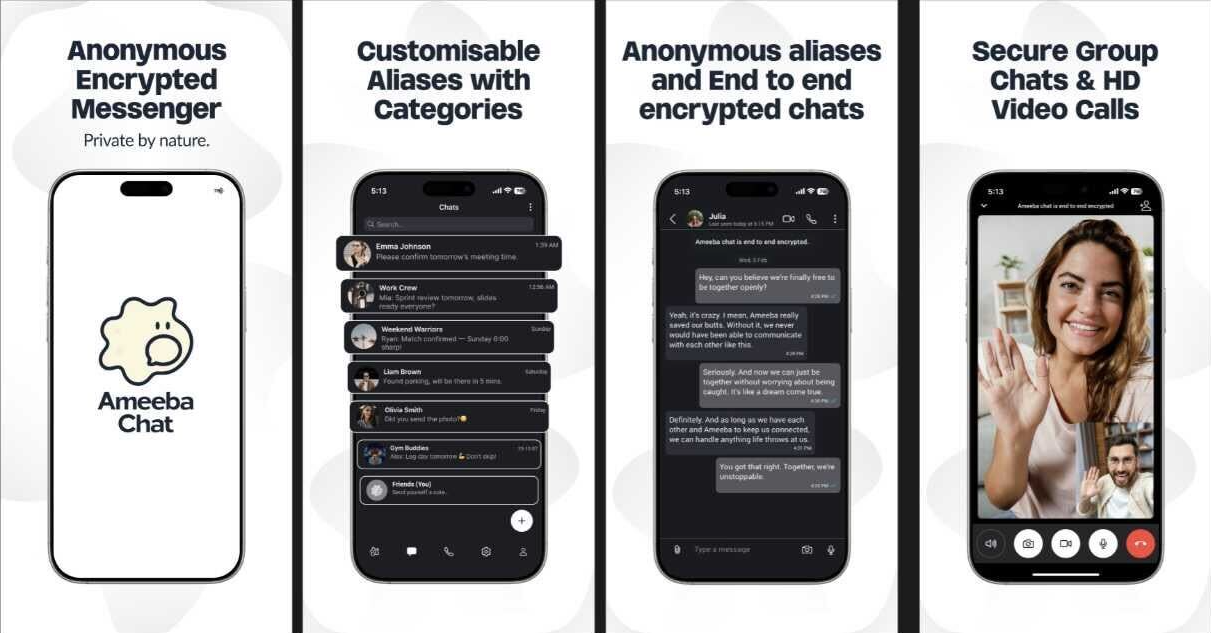
Ameeba Chat gives you a way out.
- • No phone number
- • No email
- • No personal info
- • Anonymous aliases
- • End-to-end encrypted
Chat without a trace.
Product | Affected Versions
Microsoft Edge (Chromium-based)| All versions prior to patch
How the Exploit Works
The vulnerability can be exploited by tricking a user into visiting a specially crafted webpage. The webpage contains malicious scripts that exploit the vulnerability in the browser’s render process to cause a memory corruption. After the corruption, the attacker can execute arbitrary code in the context of the current user. If the user holds administrative rights, the attacker could take full control over the affected system.
Conceptual Example Code
Here’s a conceptual example of how the vulnerability might be exploited in a crafted HTML file:
<!DOCTYPE html>
<html>
<body>
<script>
// Malicious JavaScript code exploiting the vulnerability
var malicious_payload = "..."
</script>
</body>
</html>
In this example, the malicious_payload represents the attacker’s arbitrary code that takes advantage of the vulnerability. The user visiting this page with an unpatched Microsoft Edge browser could unknowingly execute the malicious code.
Mitigation Guidance
Users are strongly advised to apply the latest vendor patch from Microsoft to mitigate this vulnerability. If the patch cannot be applied immediately, using a Web Application Firewall (WAF) or Intrusion Detection System (IDS) can provide temporary mitigation against potential attacks exploiting this vulnerability. Regularly updating and patching software is a recommended best practice to reduce the risk of exploitation.
