
Overview
The vulnerability, identified as CVE-2025-59002, is a serious security flaw in the SeaTheme BM Content Builder. This vulnerability stems from an improper limitation of a pathname to a restricted directory, allowing path traversal. This impacts any entity utilizing the affected versions of BM Content Builder in their systems, potentially leading to unauthorized access, system compromise, and data leakage.
Vulnerability Summary
CVE ID: CVE-2025-59002
Severity: High (7.7 CVSS)
Attack Vector: Network
Privileges Required: Low
User Interaction: None
Impact: System Compromise or Data Leakage
Affected Products
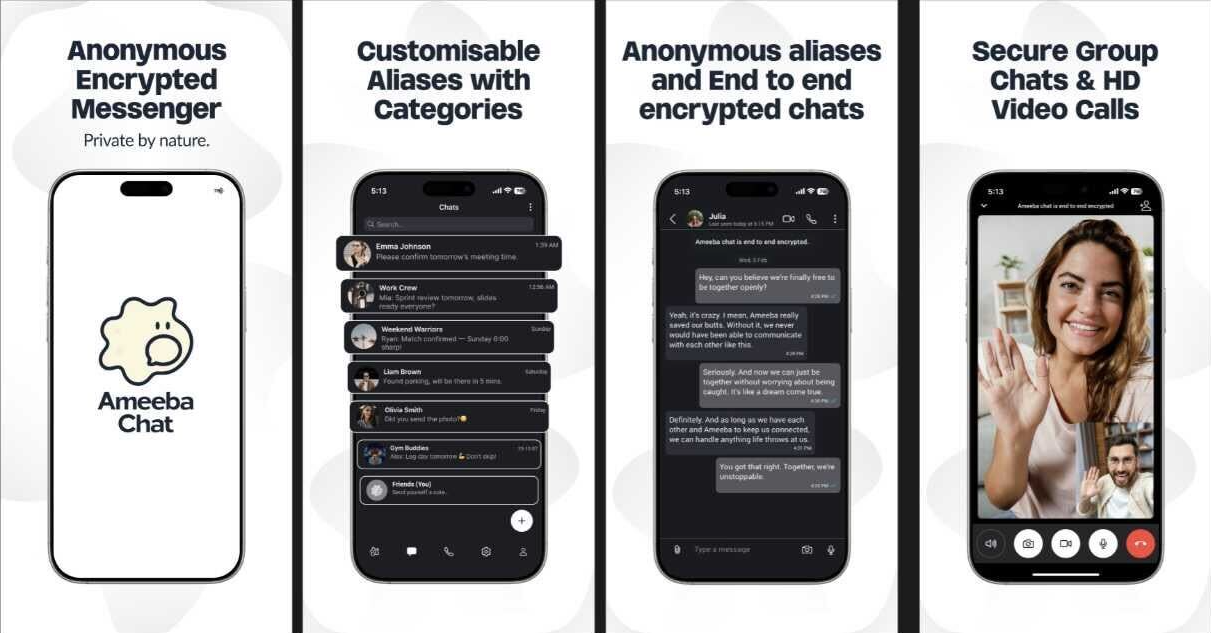
 Escape the Surveillance Era
Most apps won’t tell you the truth.
They’re part of the problem.
Phone numbers. Emails. Profiles. Logs.
It’s all fuel for surveillance.
Ameeba Chat gives you a way out.
- • No phone number
- • No email
- • No personal info
- • Anonymous aliases
- • End-to-end encrypted
Chat without a trace.
Product | Affected Versions
SeaTheme BM Content Builder | Not specified
How the Exploit Works
The exploit works by taking advantage of the improper limitation of a pathname in the SeaTheme BM Content Builder. An attacker can send specially crafted input to the application that includes path sequences. This allows the attacker to navigate through the file system to restricted directories, potentially gaining unauthorized access to sensitive data or even control of the system.
Conceptual Example Code
This is a conceptual example of how the vulnerability could be exploited. This could be a sample HTTP request with a malicious payload:
GET /path/to/vulnerable/resource?file=../../../etc/passwd HTTP/1.1
Host: target.example.com
In this example, the attacker is attempting to traverse the directory to access a restricted file (`/etc/passwd`) that contains user passwords. This is a common target in Path Traversal attacks as it can provide the attacker with valid user credentials to further compromise the system.
Mitigation Guidance
To mitigate the risks posed by this vulnerability, users are advised to apply vendor patches as soon as they become available. In cases where the patch is not yet available, it is recommended to use a Web Application Firewall (WAF) or Intrusion Detection System (IDS) as temporary mitigation measures to monitor and block potential exploit attempts. Regular monitoring and updating of systems can help prevent exploitation of such vulnerabilities.
