
Overview
The vulnerability CVE-2025-55586 is a buffer overflow exploit found in the TOTOLINK A3002R v4.0.0-B20230531.1404. The flaw is in the url parameter at /boafrm/formFilter which can be manipulated by attackers to cause a Denial of Service (DoS) attack. Such a vulnerability is critical as it can lead to potential system compromise or data leakage, affecting businesses and individuals who use this product.
Vulnerability Summary
CVE ID: CVE-2025-55586
Severity: High (7.5 CVSS)
Attack Vector: Network
Privileges Required: None
User Interaction: None
Impact: Denial of Service, potential system compromise, and data leakage
Affected Products
 Escape the Surveillance Era
Most apps won’t tell you the truth.
They’re part of the problem.
Phone numbers. Emails. Profiles. Logs.
It’s all fuel for surveillance.
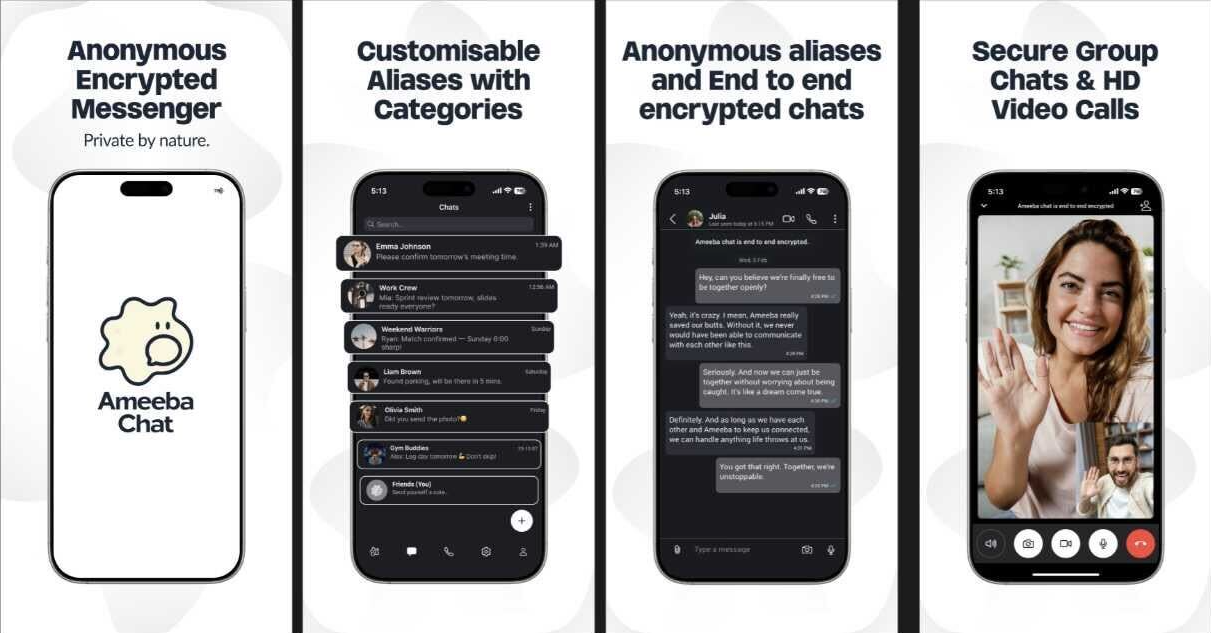
Ameeba Chat gives you a way out.
- • No phone number
- • No email
- • No personal info
- • Anonymous aliases
- • End-to-end encrypted
Chat without a trace.
Product | Affected Versions
TOTOLINK A3002R | v4.0.0-B20230531.1404
How the Exploit Works
The vulnerability exploits a buffer overflow flaw in the url parameter at /boafrm/formFilter in TOTOLINK A3002R v4.0.0-B20230531.1404. An attacker can send a specially crafted input that exceeds the buffer’s boundary and overwrites adjacent memory locations, causing the application to crash and thereby successfully executing a Denial of Service (DoS) attack. In some cases, it may also allow the attacker to execute arbitrary code or disclose sensitive information.
Conceptual Example Code
The following conceptual example demonstrates how the vulnerability might be exploited. In this instance, the attacker sends a HTTP POST request with a crafted ‘url’ parameter that triggers the buffer overflow.
POST /boafrm/formFilter HTTP/1.1
Host: target.example.com
Content-Type: application/x-www-form-urlencoded
url=AAAAAAAAAAAAAAAAAAAAAAAAAAAAAAAAAAAAAAA... [long string of "A"s]
This HTTP POST request contains a long string of “A”s that exceeds the buffer’s size limit, causing an overflow and potentially leading to a denial of service.
