
Overview
We’re addressing a cybersecurity vulnerability identified as CVE-2025-55498, affecting Tenda AC6 devices running version V15.03.06.23_multi. This vulnerability is a buffer overflow that can be triggered via the time parameter within the fromSetSysTime function. It is a critical issue as it could potentially lead to system compromise or data leakage.
Vulnerability Summary
CVE ID: CVE-2025-55498
Severity: High (7.5 CVSS Score)
Attack Vector: Network
Privileges Required: None
User Interaction: None
Impact: Potential system compromise or data leakage
Affected Products
 Escape the Surveillance Era
Most apps won’t tell you the truth.
They’re part of the problem.
Phone numbers. Emails. Profiles. Logs.
It’s all fuel for surveillance.
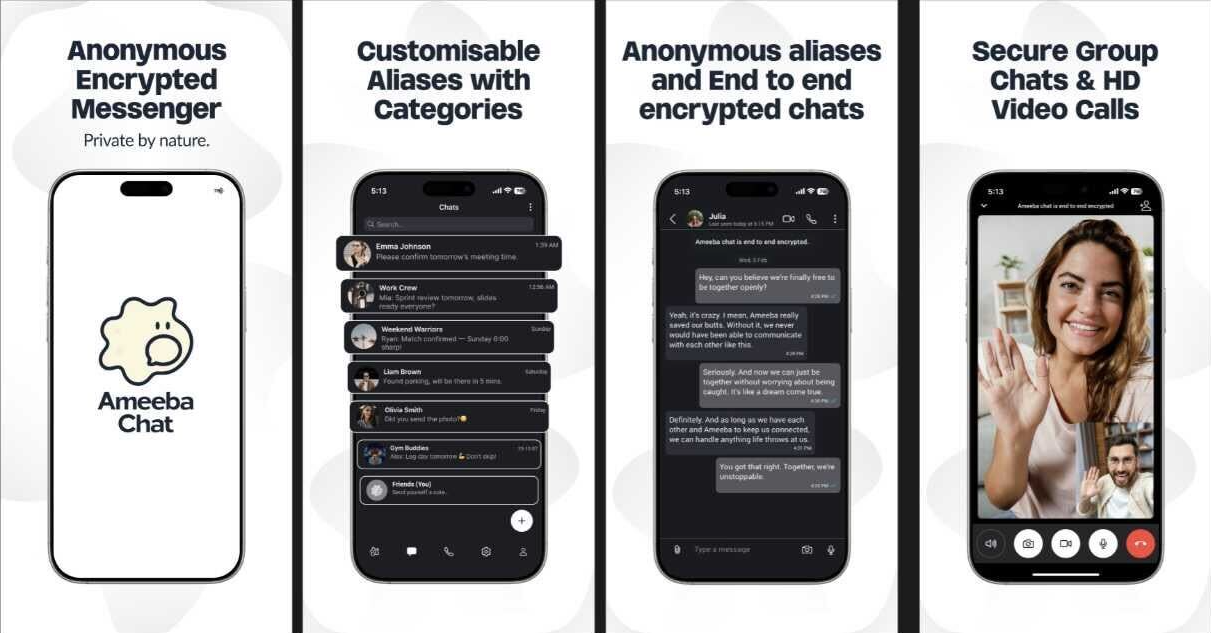
Ameeba Chat gives you a way out.
- • No phone number
- • No email
- • No personal info
- • Anonymous aliases
- • End-to-end encrypted
Chat without a trace.
Product | Affected Versions
Tenda AC6 | V15.03.06.23_multi
How the Exploit Works
The vulnerability is due to improper handling of the time parameter in the fromSetSysTime function. This results in a buffer overflow condition. An attacker can exploit this flaw by sending specially crafted requests containing a payload that exceeds the expected buffer size. This could lead to unexpected behavior such as crashes, code execution, or information disclosure, potentially compromising the system or leading to data leakage.
Conceptual Example Code
Here’s a conceptual example of how the vulnerability might be exploited using a malicious HTTP request:
POST /fromSetSysTime HTTP/1.1
Host: target.example.com
Content-Type: application/json
{
"time": "long_string_exceeding_buffer_capacity..."
}
In this example, the “time” value is filled with a string that exceeds the expected buffer size, triggering the buffer overflow vulnerability.
Recommended Mitigation
The vendor has released a patch to address this vulnerability. Users are advised to update their Tenda AC6 devices to the latest firmware version. In the absence of a vendor patch, using a Web Application Firewall (WAF) or Intrusion Detection System (IDS) can provide temporary mitigation against potential exploitation.
