
Overview
This report provides an in-depth analysis of the CVE-2025-55004 vulnerability discovered in ImageMagick, a free and open-source software for editing and manipulating digital images. This vulnerability can potentially lead to system compromise and data leakage, thus posing a significant risk to users of affected versions of this widely used software.
Vulnerability Summary
CVE ID: CVE-2025-55004
Severity: High (CVSS: 7.6)
Attack Vector: Local/Network
Privileges Required: Low
User Interaction: Required
Impact: System compromise and data leakage
Affected Products
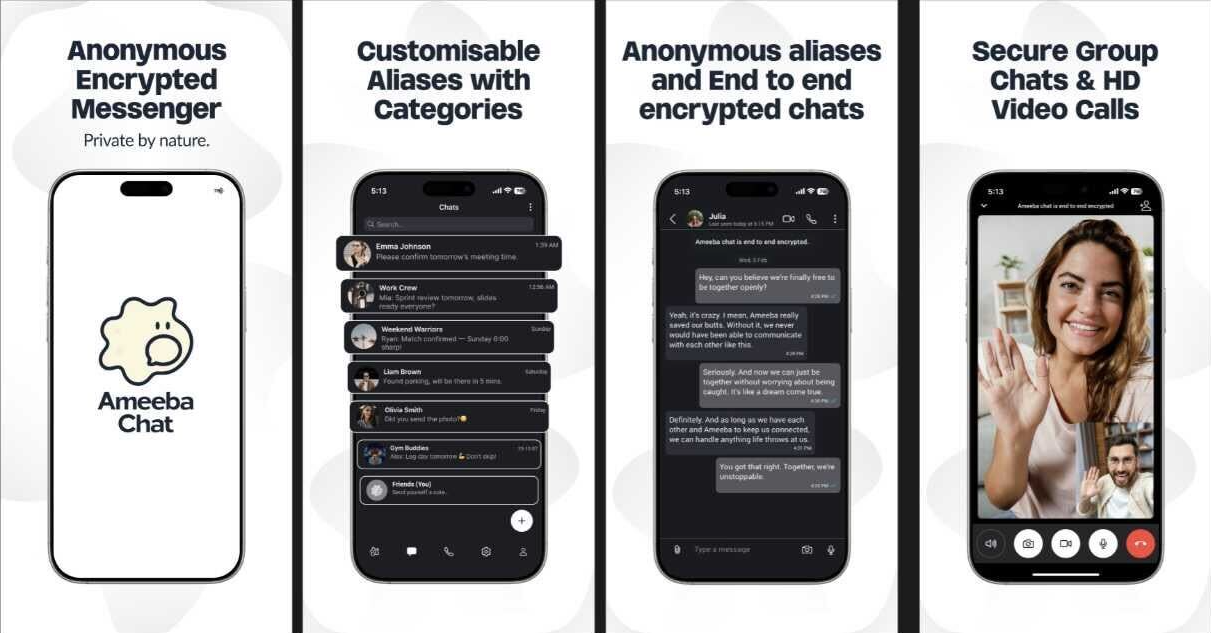
 Escape the Surveillance Era
Most apps won’t tell you the truth.
They’re part of the problem.
Phone numbers. Emails. Profiles. Logs.
It’s all fuel for surveillance.
Ameeba Chat gives you a way out.
- • No phone number
- • No email
- • No personal info
- • Anonymous aliases
- • End-to-end encrypted
Chat without a trace.
Product | Affected Versions
ImageMagick | Prior to 7.1.2-1
How the Exploit Works
The vulnerability resides in the handling of images with separate alpha channels in ImageMagick. Specifically, during the image magnification process in ReadOneMNGImage, a heap-buffer overflow read occurs. This vulnerability can likely be leveraged by an attacker to leak subsequent memory contents into the output image, thereby potentially exposing sensitive information.
Conceptual Example Code
The vulnerability could be exploited using a crafted image file with a separate alpha channel. The actual exploitation details are not provided to avoid misuse, but the conceptual scenario might look like this:
# Attacker creates a malicious image with separate alpha channel
$ create_malicious_image --alpha separate --output exploit.mng
# Attacker uses the malicious image to trigger the vulnerability
$ convert exploit.mng -resize 500% output.png
In this scenario, the output image (`output.png`) would contain leaked memory contents from the victim’s system.
Recommended Mitigation
Users are advised to update ImageMagick to version 7.1.2-1 or later, which contains a patch for this vulnerability. In the interim, deploying a Web Application Firewall (WAF) or Intrusion Detection System (IDS) may help detect and block attempts to exploit this vulnerability.
