
Overview
The uncovered vulnerability CVE-2025-54692 presents a serious security risk for users of the WP Swings Membership for WooCommerce plugin. This issue lies in the missing authorization vulnerability, which potentially allows unauthorized users to access functionalities that should be constrained by Access Control Lists (ACLs). If exploited, this vulnerability could lead to system compromise or data leakage.
Vulnerability Summary
CVE ID: CVE-2025-54692
Severity: High (7.5 CVSS Score)
Attack Vector: Network
Privileges Required: None
User Interaction: None
Impact: Possible system compromise and data leakage
Affected Products
 Escape the Surveillance Era
Most apps won’t tell you the truth.
They’re part of the problem.
Phone numbers. Emails. Profiles. Logs.
It’s all fuel for surveillance.
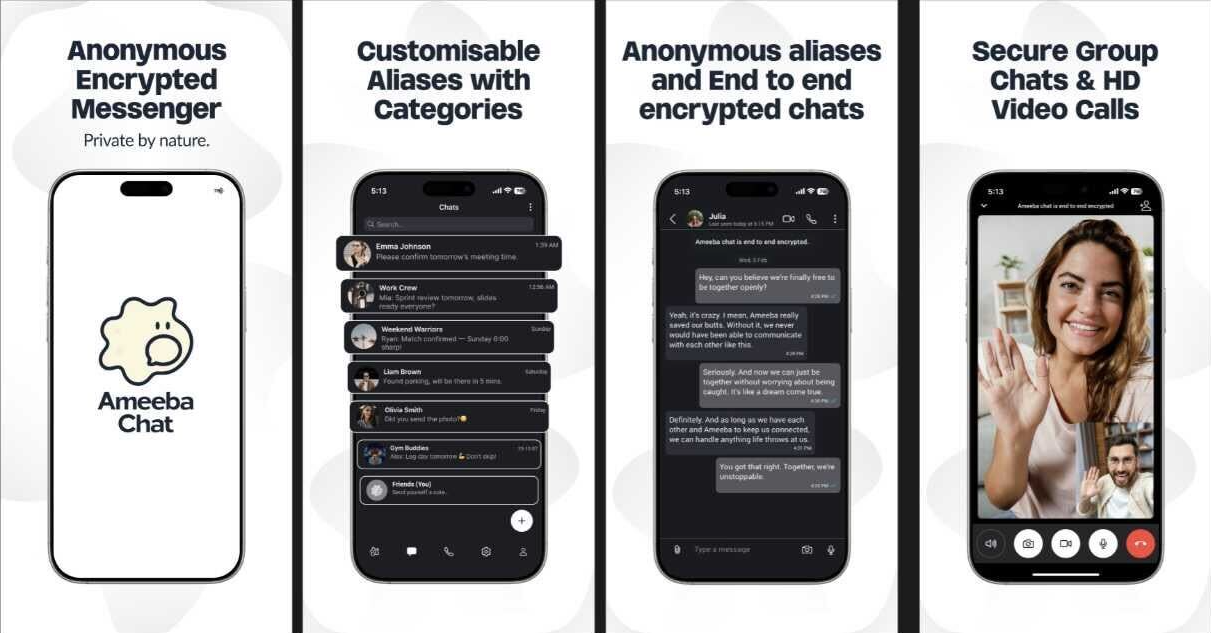
Ameeba Chat gives you a way out.
- • No phone number
- • No email
- • No personal info
- • Anonymous aliases
- • End-to-end encrypted
Chat without a trace.
Product | Affected Versions
Membership For WooCommerce | n/a through 2.9.0
How the Exploit Works
The vulnerability exploits the lack of proper authorization checks in the WP Swings Membership for WooCommerce plugin. This allows an attacker to bypass ACLs and gain unauthorized access to functionalities that should be restricted. With this access, the attacker could potentially compromise the system or leak sensitive data.
Conceptual Example Code
An attacker could potentially exploit the vulnerability by sending a malicious HTTP request to the server, like shown in the example below:
POST /WPSwingsMembership/access HTTP/1.1
Host: target.example.com
Content-Type: application/json
{ "user_auth": "false", "access_payload": "unauthorized_data_access" }
In this example, the “user_auth” value is set to “false”, indicating that the user is not authorized. However, because of the missing authorization vulnerability, the request could still be processed, giving the attacker unauthorized access to the data referenced in the “access_payload”.
Mitigation Guidance
It is recommended to apply the vendor-provided patch to resolve this vulnerability. Alternatively, a Web Application Firewall (WAF) or Intrusion Detection System (IDS) could be used for temporary mitigation. Regularly updating your software and maintaining a strong security posture can also help prevent exploitation of such vulnerabilities.
