
Overview
The vulnerability CVE-2025-54581 is a critical flaw affecting vProxy Servers version 2.3.3 and below. It allows an attacker to cause a server crash resulting in a denial-of-service (DoS) attack. This exploits the untrusted data extraction from a user-controlled HTTP Proxy-Authorization header and can potentially lead to system compromise or data leakage.
Vulnerability Summary
CVE ID: CVE-2025-54581
Severity: High (7.5/10)
Attack Vector: Network
Privileges Required: None
User Interaction: None
Impact: A successful exploit of this vulnerability could cause a denial-of-service attack, potentially compromising the system and causing data leakage.
Affected Products
 Escape the Surveillance Era
Most apps won’t tell you the truth.
They’re part of the problem.
Phone numbers. Emails. Profiles. Logs.
It’s all fuel for surveillance.
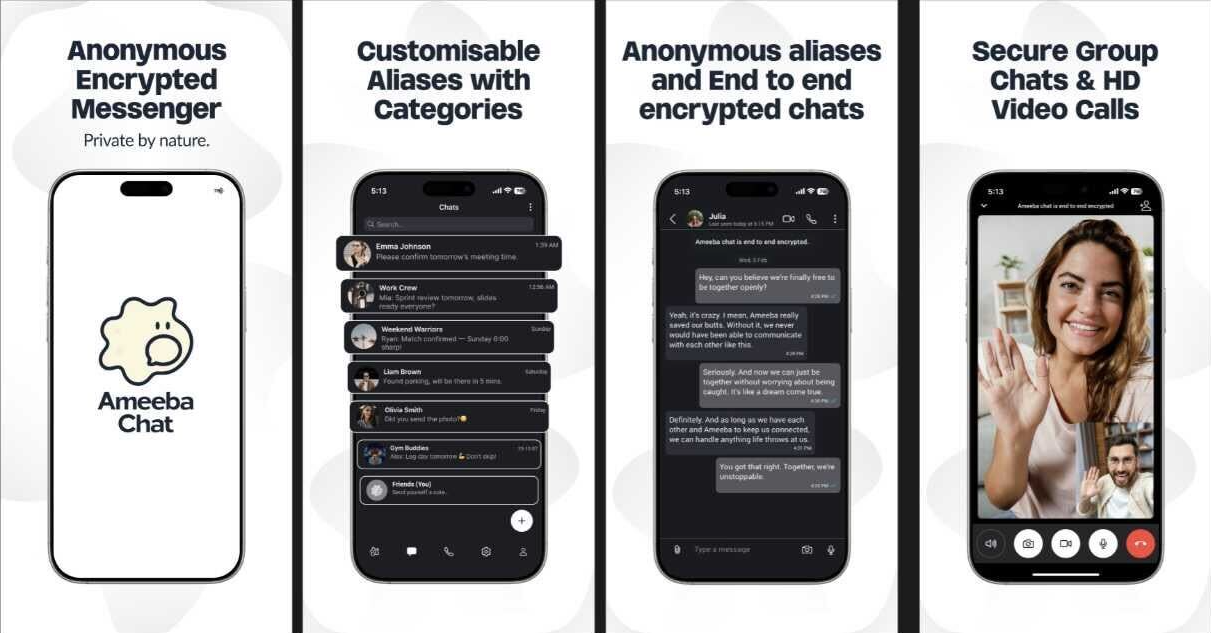
Ameeba Chat gives you a way out.
- • No phone number
- • No email
- • No personal info
- • Anonymous aliases
- • End-to-end encrypted
Chat without a trace.
Product | Affected Versions
vProxy | 2.3.3 and below
How the Exploit Works
The exploit works by an attacker manipulating the HTTP Proxy-Authorization header. This header is user-controlled and untrusted data is extracted from it. The manipulated data is passed to Extension::try_from and eventually flows into parse_ttl_extension, where it is parsed as a TTL (Time-To-Live) value. If the attacker supplies a TTL of zero (e.g. by setting the username as ‘configuredUser-ttl-0’), a division by zero error occurs, leading to a server crash and a subsequent denial-of-service attack.
Conceptual Example Code
Here is a conceptual example of how this vulnerability might be exploited. This could be done through an HTTP request as shown below:
GET / HTTP/1.1
Host: target.vproxy.com
Proxy-Authorization: Basic Y29uZmlndXJlZFVzZXItdHRsLTA=
The Proxy-Authorization header above is a Base64 encoded string of ‘configuredUser-ttl-0’. The server parses this as a TTL value of zero, leading to a division by zero crash, hence causing a denial-of-service.
For mitigation, it is advised to apply the vendor patch or use WAF/IDS as temporary mitigation. The vulnerability has been fixed in vProxy server version 2.4.0.
