
Overview
The vulnerability, identified as CVE-2025-5456, presents a significant threat to users of several Ivanti software products. It involves a buffer over-read weakness that could potentially lead to a system compromise or data leakage. The vulnerability affects a wide range of Ivanti products and versions and poses a substantial risk due to its high CVSS severity score of 7.5.
Vulnerability Summary
CVE ID: CVE-2025-5456
Severity: High – CVSS 7.5
Attack Vector: Network
Privileges Required: None
User Interaction: None
Impact: Potential system compromise, data leakage, and denial of service
Affected Products
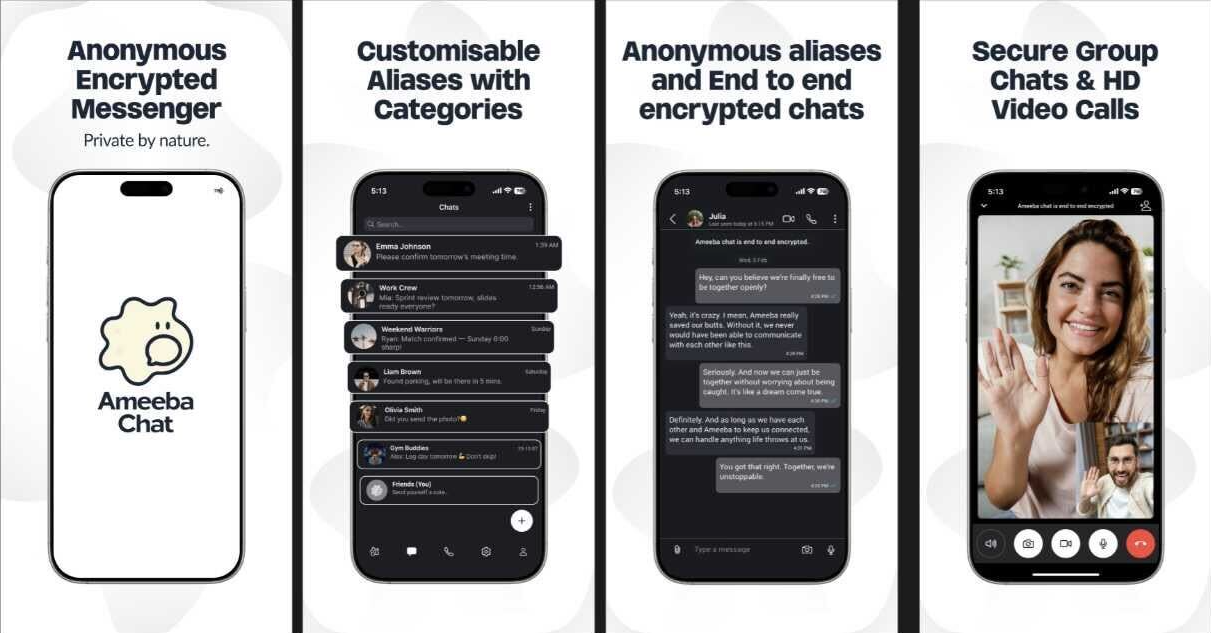
 Escape the Surveillance Era
Most apps won’t tell you the truth.
They’re part of the problem.
Phone numbers. Emails. Profiles. Logs.
It’s all fuel for surveillance.
Ameeba Chat gives you a way out.
- • No phone number
- • No email
- • No personal info
- • Anonymous aliases
- • End-to-end encrypted
Chat without a trace.
Product | Affected Versions
Ivanti Connect Secure | Before 22.7R2.8 or 22.8R2
Ivanti Policy Secure | Before 22.7R1.5
Ivanti ZTA Gateway | Before 2.8R2.3-723
Ivanti Neurons for Secure Access | Before 22.8R1.4
How the Exploit Works
The CVE-2025-5456 vulnerability exploits a buffer over-read weakness in the Ivanti software. A buffer over-read occurs when more data is read than should be allowed, causing a system to crash or become unstable. In this case, an unauthenticated attacker could remotely trigger a denial of service, compromising the system and potentially leading to data leakage.
Conceptual Example Code
Here is a
conceptual
example of how this vulnerability might be exploited:
GET /vulnerable/data HTTP/1.1
Host: target.example.com
Range: bytes=0-99999999
HTTP/1.1 206 Partial Content
Content-Range: bytes 0-99999999/100000000
Content-Length: 100000000
{ "malicious_payload": "..." }
In this example, the attacker requests more data than the server should allow, leading to a buffer over-read and triggering a denial of service.
