
Overview
The vulnerability identified as CVE-2025-54525 concerns the Mattermost Confluence Plugin version prior to 1.5.0. This vulnerability is critical as it can potentially allow attackers to crash the plugin, thereby compromising the system or leading to data leakage. This issue stems from the plugin’s inability to handle unexpected request bodies, affecting organizations that utilize Mattermost Confluence Plugin <1.5.0. Vulnerability Summary
CVE ID: CVE-2025-54525
Severity: High (CVSS: 7.5)
Attack Vector: Network
Privileges Required: None
User Interaction: None
Impact: System compromise and potential data leakage
Affected Products
Product | Affected Versions
 Escape the Surveillance Era
Most apps won’t tell you the truth.
They’re part of the problem.
Phone numbers. Emails. Profiles. Logs.
It’s all fuel for surveillance.
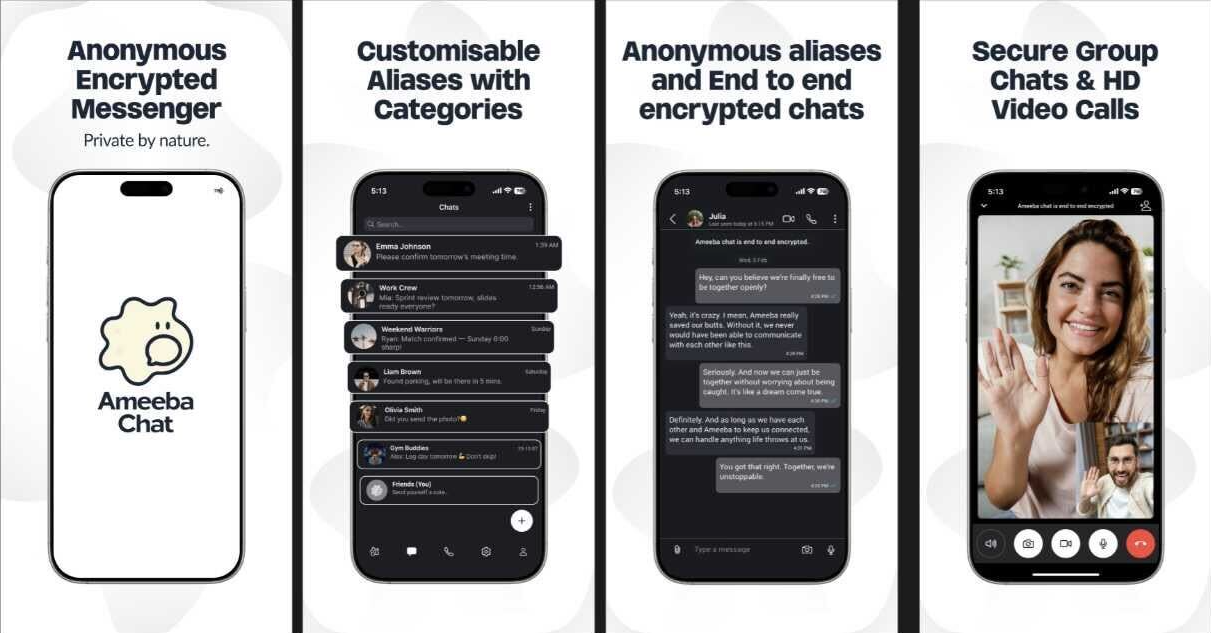
Ameeba Chat gives you a way out.
- • No phone number
- • No email
- • No personal info
- • Anonymous aliases
- • End-to-end encrypted
Chat without a trace.
Mattermost Confluence Plugin | <1.5.0 How the Exploit Works
The exploit takes advantage of the Mattermost Confluence Plugin’s failure to handle unexpected request bodies. By continuously hitting the create channel subscription endpoint with an invalid request body, an attacker can cause the plugin to crash. This could potentially compromise the system or lead to data leakage.
Conceptual Example Code
Consider this conceptual example of how the vulnerability might be exploited. This is a sample HTTP request that an attacker might use:
POST /create-channel-subscription HTTP/1.1
Host: target.example.com
Content-Type: application/json
{ "invalid_request_body": "..." }
In this example, the server is continuously hit with an invalid request body, exploiting the vulnerability in the plugin and potentially causing it to crash.
Mitigation
Users of the Mattermost Confluence Plugin version <1.5.0 are advised to apply the vendor patch as soon as possible. In the interim, using WAF (Web Application Firewall) or IDS (Intrusion Detection System) can serve as a temporary mitigation strategy. This can help prevent any potential system compromises or data leakage until the patch can be applied.
