
Overview
This report discusses the critical vulnerability identified as CVE-2025-54073. It affects the MCP (Model Context Protocol) server, `mcp-package-docs`, an essential tool for developers. This vulnerability, if exploited, could allow for remote code execution and potential system compromise or data leakage. The severity and widespread use of the affected software make this a high-priority issue.
Vulnerability Summary
CVE ID: CVE-2025-54073
Severity: High (CVSS: 7.5)
Attack Vector: Network
Privileges Required: None
User Interaction: None
Impact: Remote code execution, potential system compromise, and data leakage
Affected Products
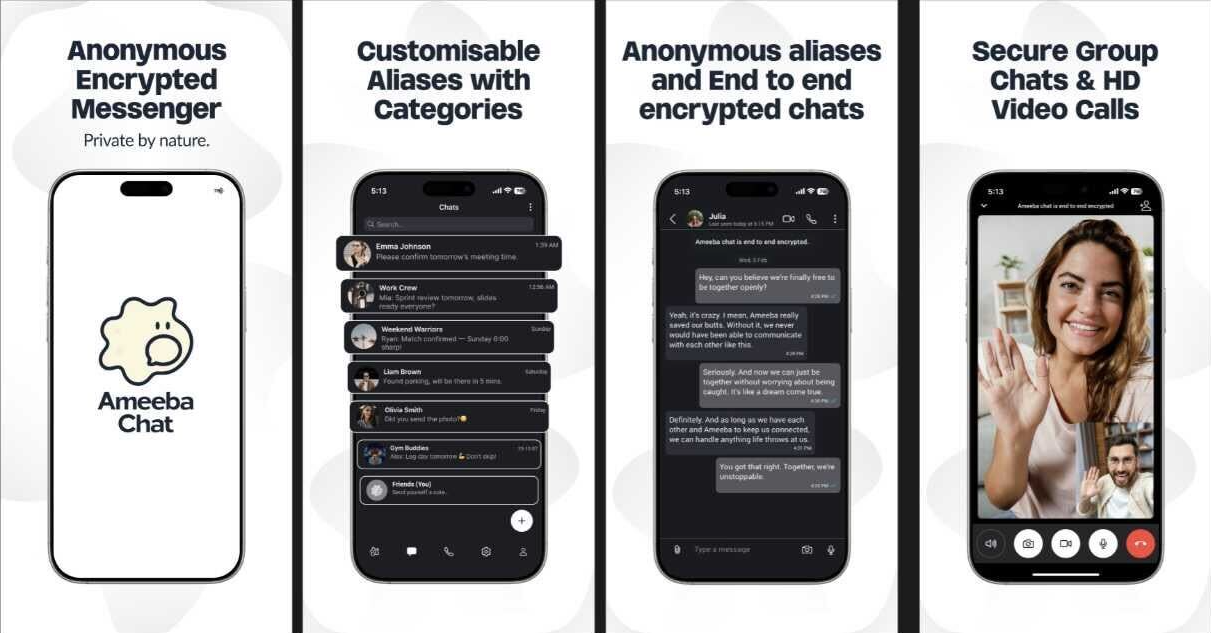
 Escape the Surveillance Era
Most apps won’t tell you the truth.
They’re part of the problem.
Phone numbers. Emails. Profiles. Logs.
It’s all fuel for surveillance.
Ameeba Chat gives you a way out.
- • No phone number
- • No email
- • No personal info
- • Anonymous aliases
- • End-to-end encrypted
Chat without a trace.
Product | Affected Versions
mcp-package-docs | up to 0.1.26
How the Exploit Works
The vulnerability stems from the unsanitized use of input parameters in a call to `child_process.exec` in the `mcp-package-docs` server. The server constructs and executes shell commands using unvalidated user input directly within command-line strings, introducing the opportunity for shell metacharacter injection (`|`, `>`, `&&`, etc.). An attacker can exploit this to inject arbitrary system commands and execute code remotely under the server process’s privileges.
Conceptual Example Code
Given the command injection nature of this vulnerability, an attacker could potentially exploit it by sending a malicious request like the following pseudocode:
POST /mcp-package-docs/endpoint HTTP/1.1
Host: target.example.com
Content-Type: application/json
{ "package": "validPackageName; rm -rf /" }
In this example, after the valid package name, a semicolon is used to separate the legitimate command from a malicious one (`rm -rf /`), which would delete all files in the system if executed.
Recommendations
To mitigate this vulnerability, users are advised to update their `mcp-package-docs` server to version 0.1.28 or later. As a temporary mitigation, users can also implement a Web Application Firewall (WAF) or Intrusion Detection System (IDS) to block attempts to exploit this vulnerability.
