
Overview
This report presents a comprehensive analysis of a critical vulnerability, CVE-2025-54021, found in Mitchell Bennis Simple File List. This application, widely used for file management, has been discovered to contain a ‘Path Traversal’ vulnerability that could potentially lead to system compromise or data leakage. The implications of this vulnerability are severe, and immediate action is required to mitigate the risks associated with it.
Vulnerability Summary
CVE ID: CVE-2025-54021
Severity: High (7.5 CVSS score)
Attack Vector: Network
Privileges Required: Low
User Interaction: Required
Impact: Potential system compromise or data leakage
Affected Products
 Escape the Surveillance Era
Most apps won’t tell you the truth.
They’re part of the problem.
Phone numbers. Emails. Profiles. Logs.
It’s all fuel for surveillance.
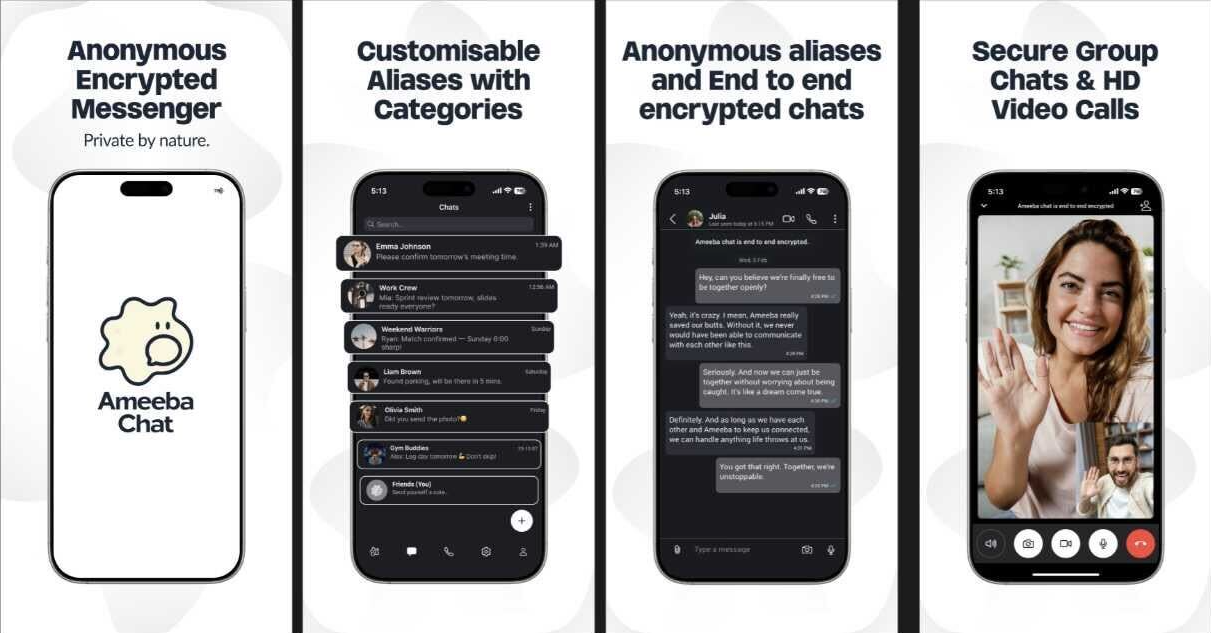
Ameeba Chat gives you a way out.
- • No phone number
- • No email
- • No personal info
- • Anonymous aliases
- • End-to-end encrypted
Chat without a trace.
Product | Affected Versions
Mitchell Bennis Simple File List | n/a through 6.1.14
How the Exploit Works
The vulnerability arises due to an improper limitation of a pathname to a restricted directory, commonly known as ‘Path Traversal’. An attacker, by exploiting this vulnerability, can access directories that should be restricted and read, modify, or delete files that are outside the intended directory. This can lead to unauthorized disclosure of information, unauthorized modification, or unauthorized disruption of service.
Conceptual Example Code
A conceptual example of the exploit may look like the following HTTP request:
GET /filelist/?dir=../../../../etc/passwd HTTP/1.1
Host: target.example.com
In this example, the attacker uses a series of “../” to move up in the directory structure to access the /etc/passwd file, a sensitive file that contains user password hashes on Unix-like systems.
Mitigation Guidance
In order to mitigate this vulnerability, users are advised to update Mitchell Bennis Simple File List to the latest version where this vulnerability has been patched. If an immediate update is not possible, using a Web Application Firewall (WAF) or Intrusion Detection System (IDS) to detect and block path traversal attacks can serve as a temporary mitigation measure. However, these temporary measures do not fully eliminate the vulnerability and are not a substitute for applying the vendor-supplied patch.
