
Overview
This report discusses the recent discovery of a high-severity vulnerability, designated as CVE-2025-5399, which affects the libcurl’s WebSocket code. If exploited, this vulnerability allows a malicious server to trap libcurl in an endless busy-loop, potentially leading to a Denial-of-Service (DoS) attack. This vulnerability is of critical concern to any applications or systems using libcurl, due to the potential for data leakage or system compromise.
Vulnerability Summary
CVE ID: CVE-2025-5399
Severity: High (CVSS 7.5)
Attack Vector: Network
Privileges Required: None
User Interaction: None
Impact: Denial of service leading to potential system compromise or data leakage
Affected Products
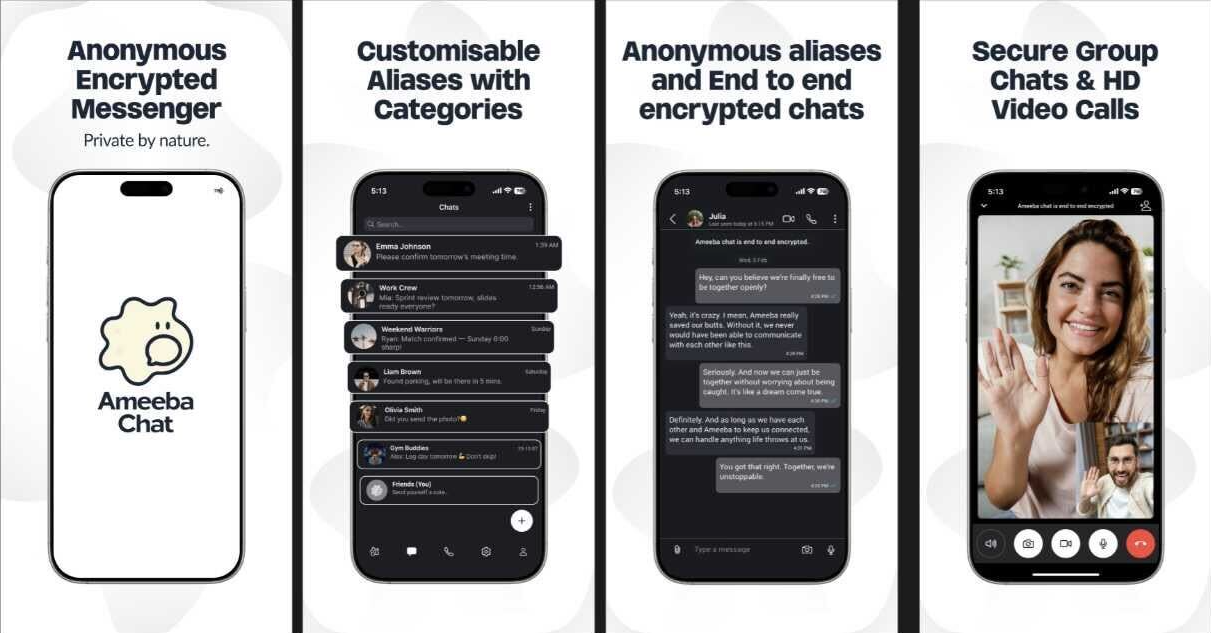
 Escape the Surveillance Era
Most apps won’t tell you the truth.
They’re part of the problem.
Phone numbers. Emails. Profiles. Logs.
It’s all fuel for surveillance.
Ameeba Chat gives you a way out.
- • No phone number
- • No email
- • No personal info
- • Anonymous aliases
- • End-to-end encrypted
Chat without a trace.
Product | Affected Versions
libcurl | All versions prior to patch
How the Exploit Works
The exploit takes advantage of a flaw in the WebSocket code of libcurl. By sending a specially crafted packet, a malicious server can cause libcurl to enter an endless busy-loop. This loop cannot be exited by the application unless the process or thread is forcibly terminated. In effect, this can lead to a DoS attack, where the application becomes unresponsive and inaccessible.
Conceptual Example Code
While we don’t have the exact exploit code, a conceptual attack might involve a WebSocket handshake request with a malicious payload. This could look something like:
GET /chat HTTP/1.1
Host: target.example.com
Upgrade: websocket
Connection: Upgrade
Sec-WebSocket-Key: x3JJHMbDL1EzLkh9GBhXDw==
Sec-WebSocket-Protocol: chat, superchat
Sec-WebSocket-Version: 13
Origin: http://example.com
{ "malicious_payload": "..." }
In the above example, the “malicious_payload” could be the specially crafted packet which triggers the endless loop in libcurl.
Mitigation
As a mitigation measure, users are advised to apply the vendor patch as soon as it becomes available. Until then, using a Web Application Firewall (WAF) or Intrusion Detection System (IDS) may help to identify and block malicious packets. However, these are temporary measures and cannot completely secure the system from the vulnerability.
