
Overview
The report presents a critical vulnerability discovered in TP-Link TL-WR841N V11, a product no longer supported by the maintainer. The vulnerability is associated with a lack of input parameter validation in a specific file, resulting in potential system crashes and denial-of-service (DoS) condition. This vulnerability matters as it can be exploited remotely, potentially compromising systems or leading to data leakage.
Vulnerability Summary
CVE ID: CVE-2025-53714
Severity: High (7.5 CVSS Score)
Attack Vector: Network
Privileges Required: None
User Interaction: None
Impact: Potential system compromise and data leakage
Affected Products
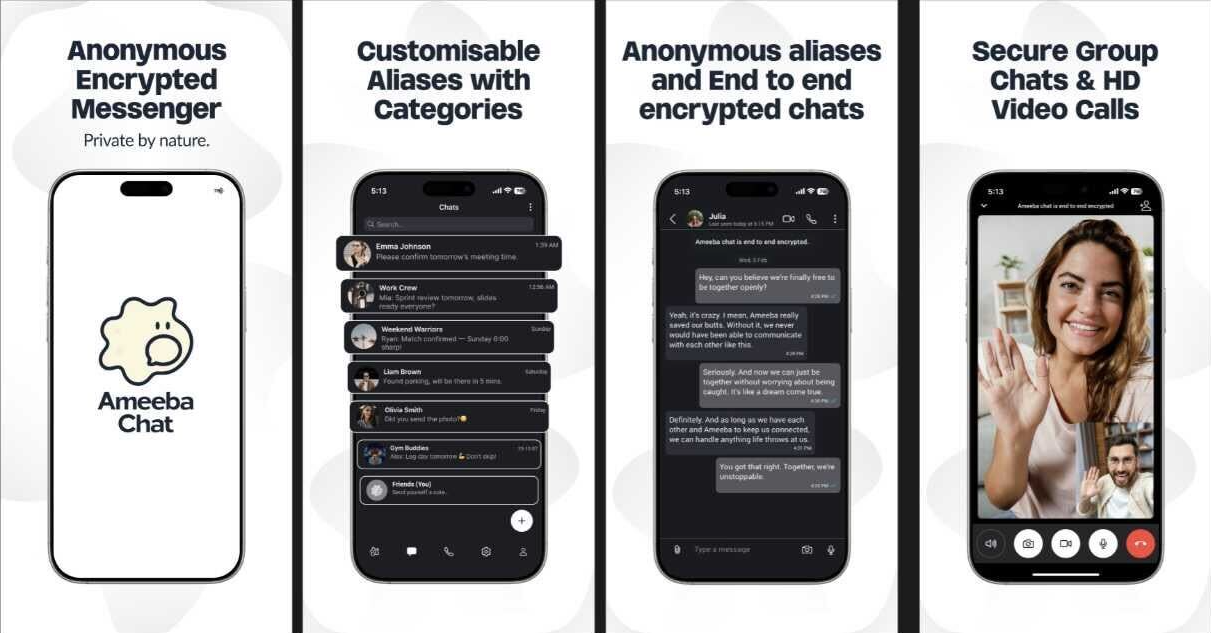
 Escape the Surveillance Era
Most apps won’t tell you the truth.
They’re part of the problem.
Phone numbers. Emails. Profiles. Logs.
It’s all fuel for surveillance.
Ameeba Chat gives you a way out.
- • No phone number
- • No email
- • No personal info
- • Anonymous aliases
- • End-to-end encrypted
Chat without a trace.
Product | Affected Versions
TP-Link TL-WR841N | V11
How the Exploit Works
The exploit takes advantage of the lack of input parameter validation in the /userRpm/WzdWlanSiteSurveyRpm_AP.htm file. The attacker can send a specially crafted request to overflow the buffer, causing the web service to crash and resulting in a denial-of-service. This can potentially lead to system compromise or data leakage.
Conceptual Example Code
Below is a hypothetical example of how the vulnerability could be exploited using a malicious HTTP request:
GET /userRpm/WzdWlanSiteSurveyRpm_AP.htm?malicious_payload HTTP/1.1
Host: vulnerable.router.com
In this example, `malicious_payload` is a specially designed string that causes buffer overflow in the targeted system, leading to service disruption.
Mitigation Guidance
Users are advised to apply the vendor-supplied patch to resolve this vulnerability. In the absence of a patch, the use of web application firewall (WAF) or intrusion detection systems (IDS) may serve as a temporary mitigation measure. Regular updates and patches from the vendor are highly recommended to prevent such vulnerabilities.
