
Overview
The CVE-2025-53712 vulnerability pertains to the TP-Link TL-WR841N V11 router, specifically an issue in the /userRpm/WlanNetworkRpm_AP.htm file. The defect arises due to the absence of proper input parameter validation, which could potentially lead to a buffer overflow. This can result in a crash of the web service, causing a denial-of-service (DoS) condition. The vulnerability is of particular concern as it can be exploited remotely, impacting systems that no longer receive support from the maintainer.
Vulnerability Summary
CVE ID: CVE-2025-53712
Severity: High (7.5 CVSS Score)
Attack Vector: Network
Privileges Required: None
User Interaction: None
Impact: System Crash, Denial-of-Service (DoS) Condition, Potential system compromise and data leakage
Affected Products
 Escape the Surveillance Era
Most apps won’t tell you the truth.
They’re part of the problem.
Phone numbers. Emails. Profiles. Logs.
It’s all fuel for surveillance.
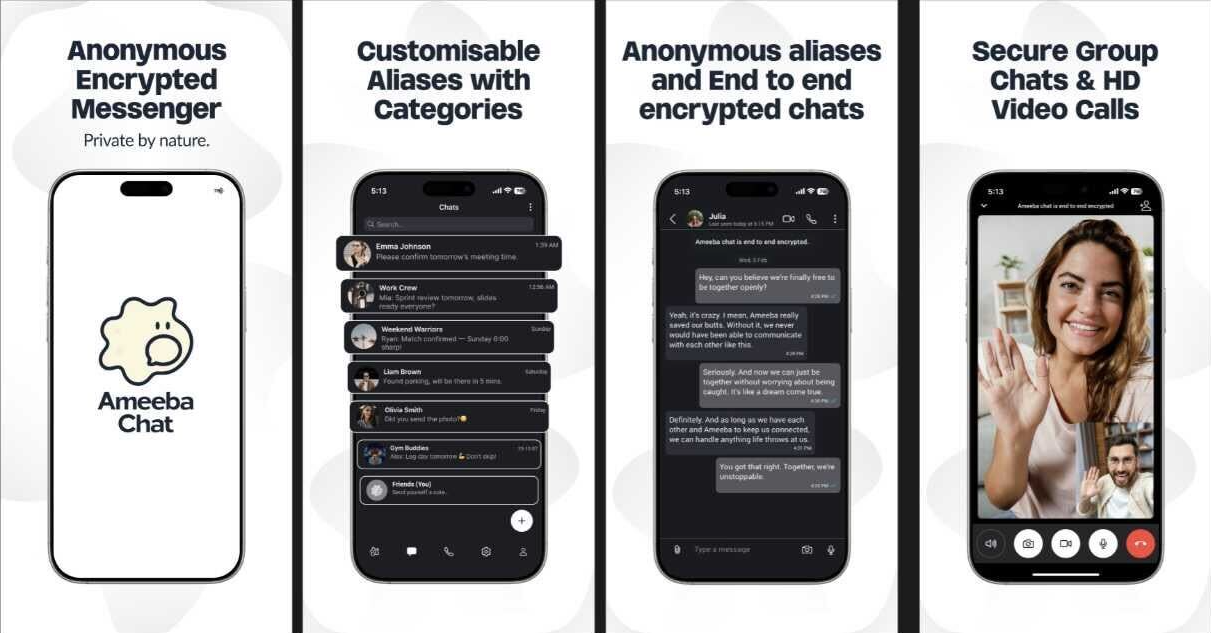
Ameeba Chat gives you a way out.
- • No phone number
- • No email
- • No personal info
- • Anonymous aliases
- • End-to-end encrypted
Chat without a trace.
Product | Affected Versions
TP-Link TL-WR841N | V11
How the Exploit Works
The exploit takes advantage of a lack of input parameter validation in the /userRpm/WlanNetworkRpm_AP.htm file. The attacker can send malicious data to this file, causing a buffer overflow. This overflow can lead to a crash in the web service, resulting in a Denial-of-Service (DoS) condition. Since the affected product is not supported by the maintainer, the vulnerability is particularly grave.
Conceptual Example Code
An example of how this might be exploited could look like the following HTTP request:
POST /userRpm/WlanNetworkRpm_AP.htm HTTP/1.1
Host: target-router-ip
Content-Length: [buffer length + overflow data]
{ "input_param": "A"*10000 }
In this conceptual example, the “input_param” is filled with a large amount of data (“A”*10000) to cause a buffer overflow. Please note that this is a conceptual example and actual exploitation might require a deeper understanding of the target system and the vulnerability itself.
