
Overview
The vulnerability CVE-2025-53603 affects the Alinto SOPE SOGo version 2.0.2 through 5.12.2. This vulnerability is a result of a NULL pointer dereference, which can cause an unexpected application crash. Attackers can exploit this vulnerability to compromise the system or potentially leak sensitive data.
Vulnerability Summary
CVE ID: CVE-2025-53603
Severity: High (7.5 CVSS Score)
Attack Vector: Network
Privileges Required: None
User Interaction: None
Impact: System compromise or potential data leakage
Affected Products
 Escape the Surveillance Era
Most apps won’t tell you the truth.
They’re part of the problem.
Phone numbers. Emails. Profiles. Logs.
It’s all fuel for surveillance.
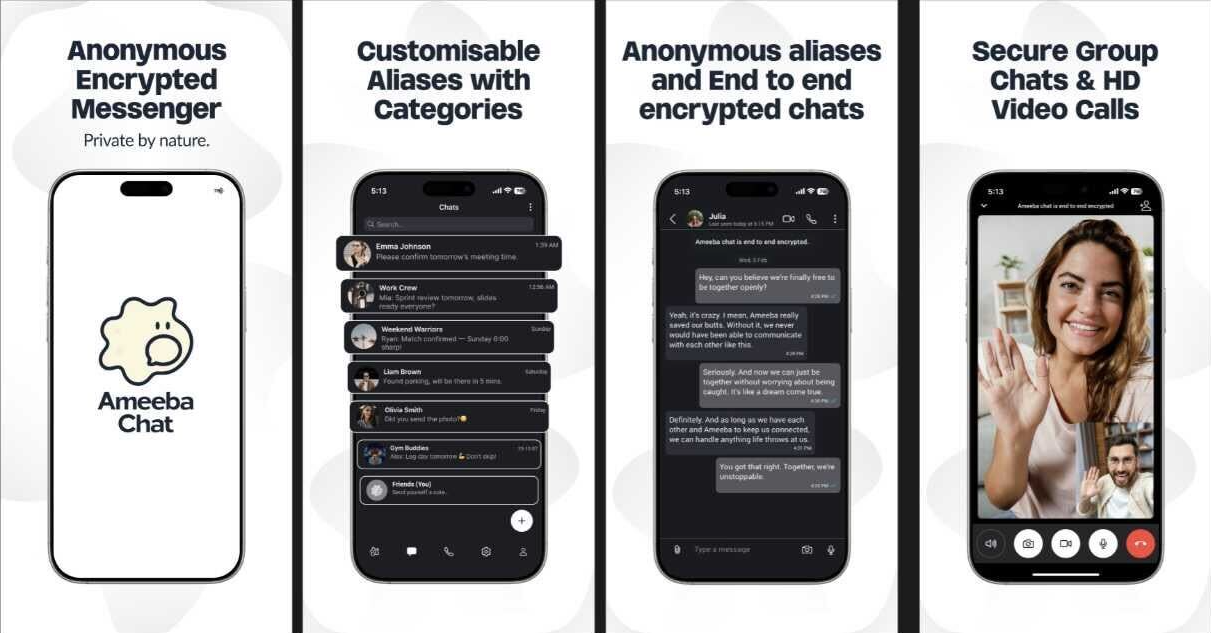
Ameeba Chat gives you a way out.
- • No phone number
- • No email
- • No personal info
- • Anonymous aliases
- • End-to-end encrypted
Chat without a trace.
Product | Affected Versions
Alinto SOPE SOGo | 2.0.2 through 5.12.2
How the Exploit Works
The vulnerability stems from the application’s mishandling of duplicate parameters in POST requests and the query string. When the application encounters a duplicate parameter, it causes a NULL pointer dereference, leading to a crash. An attacker can exploit this by sending a specially crafted request that includes a duplicate parameter in the query string and the POST body.
Conceptual Example Code
While the exact details of the exploit are proprietary, here’s an illustrative example of how a rogue HTTP request might be constructed:
POST /vulnerable/endpoint HTTP/1.1
Host: target.example.com
Content-Type: application/x-www-form-urlencoded
parameter1=value1¶meter2=value2¶meter1=value1In this example, `parameter1` is a duplicate in the POST body, and if included in the query string, it could trigger the vulnerability.
Mitigation Guidance
Users are strongly recommended to apply the latest vendor patches to their Alinto SOPE SOGo application. As a temporary mitigation, a Web Application Firewall (WAF) or Intrusion Detection System (IDS) can help detect and block exploit attempts. However, these measures are not a substitute for patching the vulnerability at the application level.
