
Overview
The CVE-2025-53538 vulnerability is a critical flaw identified in Suricata, a network Intrusion Detection System (IDS), Intrusion Prevention System (IPS), and Network Security Monitoring (NSM) engine. This flaw affects versions 7.0.10 and below and 8.0.0-beta1 through 8.0.0-rc1. It can lead to uncontrolled memory usage, causing loss of visibility and potential system compromise or data leakage, thus posing a significant threat to the security of affected systems.
Vulnerability Summary
CVE ID: CVE-2025-53538
Severity: High (CVSS: 7.5)
Attack Vector: Network
Privileges Required: None
User Interaction: None
Impact: Uncontrolled memory usage, potential system compromise, or data leakage.
Affected Products
 Escape the Surveillance Era
Most apps won’t tell you the truth.
They’re part of the problem.
Phone numbers. Emails. Profiles. Logs.
It’s all fuel for surveillance.
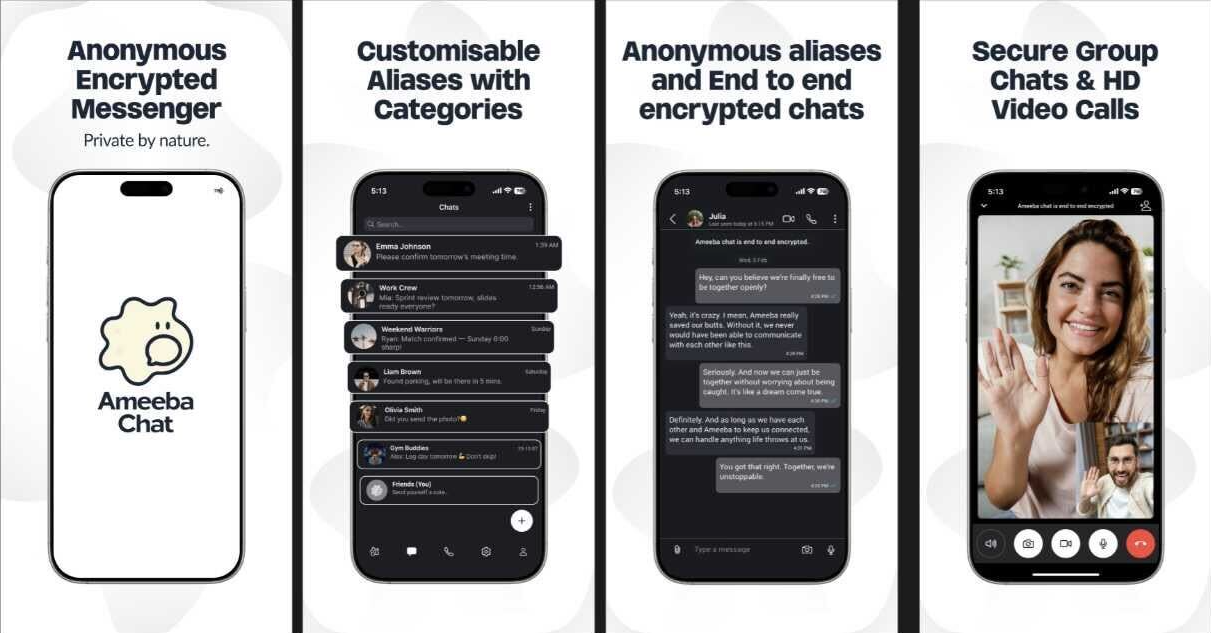
Ameeba Chat gives you a way out.
- • No phone number
- • No email
- • No personal info
- • Anonymous aliases
- • End-to-end encrypted
Chat without a trace.
Product | Affected Versions
Suricata | 7.0.10 and below
Suricata | 8.0.0-beta1 through 8.0.0-rc1
How the Exploit Works
The exploit takes advantage of a mishandling of data on the HTTP2 stream 0 in the affected Suricata versions. This mishandling causes uncontrolled memory usage. An attacker sending malicious HTTP/2 frames targeting stream 0 can trigger the vulnerability, leading to loss of visibility, which could potentially result in system compromise or data leakage.
Conceptual Example Code
Given the nature of this vulnerability, a high-level conceptual example might involve delivering malicious HTTP/2 frames to the target system. Conceptually, it would look something like this:
POST / HTTP/2
Host: target.example.com
Content-Type: application/http2-frames
{ "malicious_frame": "stream0_targeted_payload" }
This conceptual code is designed to represent the method of attack rather than provide a practical example of an exploit. In a real-world scenario, the malicious_frame content would be designed to exploit the specific memory handling vulnerability in Suricata.
