
Overview
This report details a significant vulnerability in LibHTP, a security-aware parser for the HTTP protocol. The vulnerability, referenced as CVE-2025-53537, affects versions 0.5.50 and below, allowing attackers to starve a process of memory, causing loss of visibility. This particular vulnerability carries significant implications for any entity using an affected LibHTP version, potentially leading to system compromise or data leakage.
Vulnerability Summary
CVE ID: CVE-2025-53537
Severity: High (7.5)
Attack Vector: Network
Privileges Required: None
User Interaction: None
Impact: Potential system compromise or data leakage
Affected Products
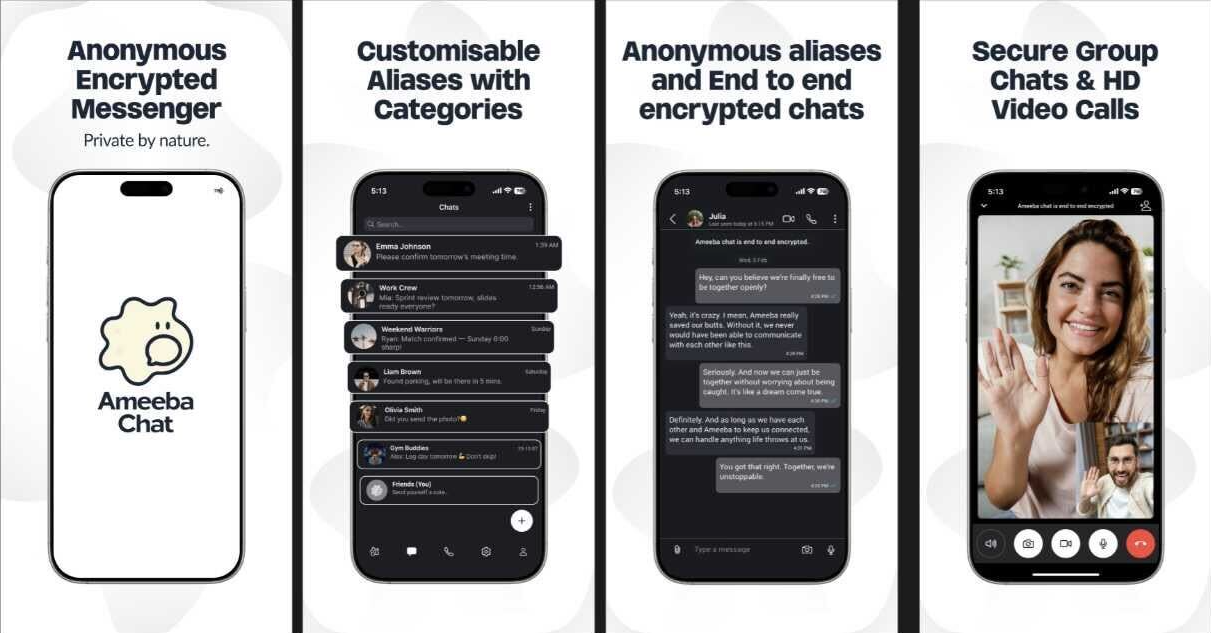
 Escape the Surveillance Era
Most apps won’t tell you the truth.
They’re part of the problem.
Phone numbers. Emails. Profiles. Logs.
It’s all fuel for surveillance.
Ameeba Chat gives you a way out.
- • No phone number
- • No email
- • No personal info
- • Anonymous aliases
- • End-to-end encrypted
Chat without a trace.
Product | Affected Versions
LibHTP | 0.5.50 and below
How the Exploit Works
The CVE-2025-53537 vulnerability originates from a memory leak in LibHTP’s handling of HTTP traffic. If an attacker can generate sufficient traffic, it can starve the process of memory. This memory starvation can lead to a loss of visibility, which can potentially pave the way for further attacks and exploitation.
Conceptual Example Code
Though the specifics of the exploit are not public, an attacker might generate massive traffic to the target server to induce memory leak. A conceptual example of how this might be done is shown below:
POST / HTTP/1.1
Host: target.example.com
Content-Type: application/x-www-form-urlencoded
data=AAAAAAAAAAAAAAAAAAAAAAAAAAAAAAAAAAAAAAAAAAAAAAAAAAAAAAAA...
This example sends a POST request with a large payload to the target server. An attacker might automate this and send multiple requests concurrently, potentially leading to memory exhaustion.
Mitigation and Solution
The LibHTP team has released a fix for this vulnerability in version 0.5.51. It is highly recommended that users update to this version to avoid exposure. If unable to update immediately, users can mitigate the risk by setting `suricata.yaml app-layer.protocols.http.libhtp.default-config.lzma-enabled` to false. Alternatively, using a Web Application Firewall (WAF) or Intrusion Detection System (IDS) can provide a temporary mitigation against potential exploits.
