
Overview
The CVE-2025-53531 vulnerability is a serious security issue that affects WeGIA servers, an application widely used by charitable institutions. The vulnerability lies in the server’s processing of excessively long HTTP GET requests, leading to high resource consumption and potential Denial of Service (DoS) attacks. This issue poses a significant threat to the integrity and availability of services provided by these institutions.
Vulnerability Summary
CVE ID: CVE-2025-53531
Severity: High (CVSS: 7.5)
Attack Vector: Network
Privileges Required: None
User Interaction: None
Impact: System compromise, potential data leakage, and denial of service
Affected Products
 Escape the Surveillance Era
Most apps won’t tell you the truth.
They’re part of the problem.
Phone numbers. Emails. Profiles. Logs.
It’s all fuel for surveillance.
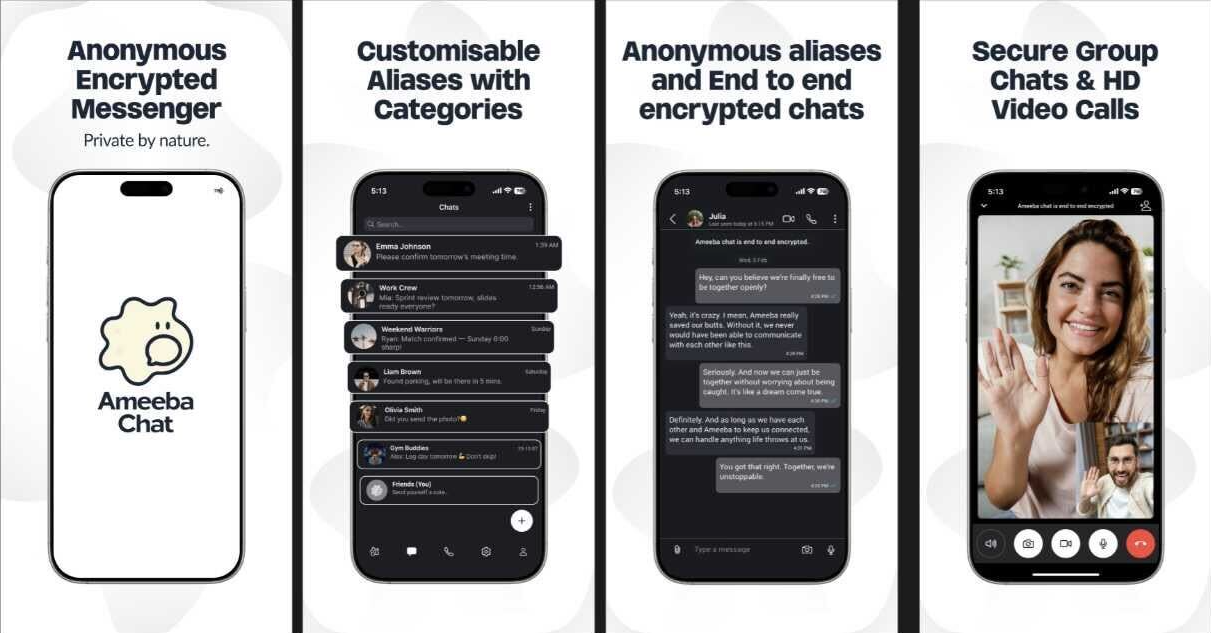
Ameeba Chat gives you a way out.
- • No phone number
- • No email
- • No personal info
- • Anonymous aliases
- • End-to-end encrypted
Chat without a trace.
Product | Affected Versions
WeGIA Server | Before 3.3.0
How the Exploit Works
The vulnerability stems from the WeGIA server’s lack of validation for the length of the ‘fid’ parameter in HTTP GET requests. Attackers can exploit this by crafting and sending excessively long GET requests to a specific URL on the server. The server processes URLs up to 8,142 characters long, resulting in high resource consumption, elevated latency, timeouts, and read errors. This makes the server susceptible to DoS attacks and potentially allows for system compromise or data leakage.
Conceptual Example Code
Here is a conceptual example of how an attacker might exploit this vulnerability.
GET /example_url?fid=AAAAAAAAAAAAAAAAAAAAAAAAAAAAAAAAAAAAAAAA...[up to 8142 characters] HTTP/1.1
Host: target.example.com
In this example, the ‘fid’ parameter is filled with an excessively long string, leading to the aforementioned issues.
Mitigation Guidance
Users are advised to update their WeGIA server to version 3.3.0 or later, where this vulnerability has been fixed. If updating is not immediately possible, using a Web Application Firewall (WAF) or Intrusion Detection System (IDS) can provide temporary mitigation against potential attacks.
