
Overview
A significant vulnerability, CVE-2025-53378, has been detected in Trend Micro’s Worry-Free Business Security Services (WFBSS). This weakness primarily impacts the SaaS client version of WFBSS and could allow an unauthenticated attacker to gain remote control of the agent on affected installations. The potential for system compromise or data leakage makes this vulnerability a serious concern for businesses using the affected software.
Vulnerability Summary
CVE ID: CVE-2025-53378
Severity: High (7.6 CVSS Score)
Attack Vector: Network
Privileges Required: None
User Interaction: None
Impact: Potential system compromise or data leakage
Affected Products
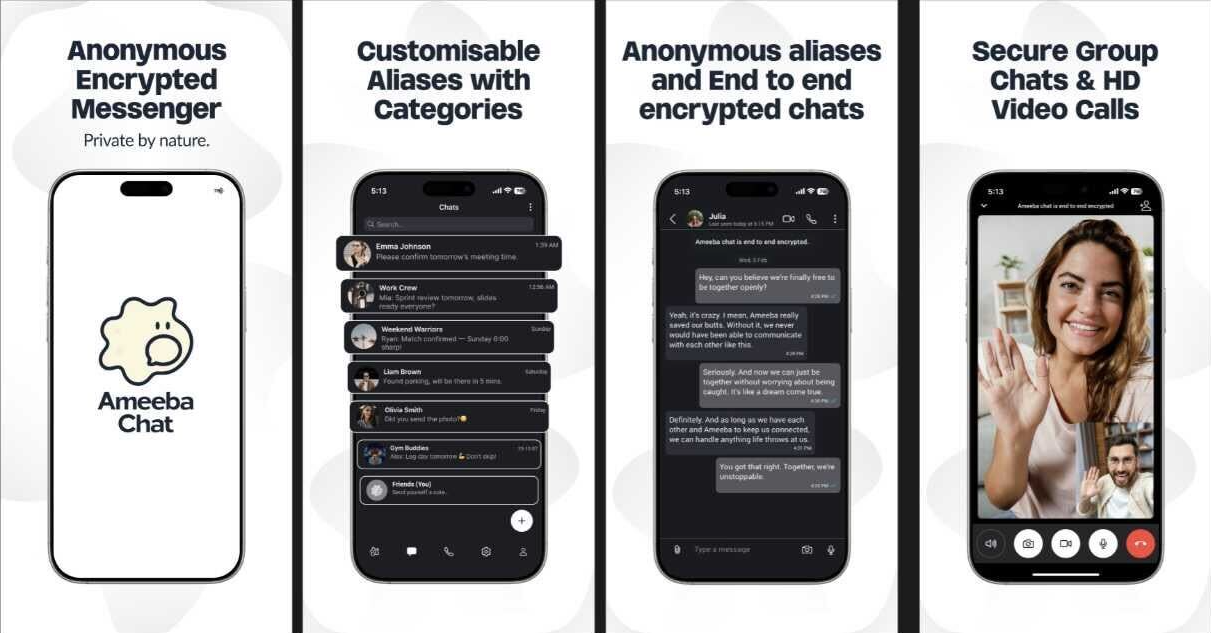
 Escape the Surveillance Era
Most apps won’t tell you the truth.
They’re part of the problem.
Phone numbers. Emails. Profiles. Logs.
It’s all fuel for surveillance.
Ameeba Chat gives you a way out.
- • No phone number
- • No email
- • No personal info
- • Anonymous aliases
- • End-to-end encrypted
Chat without a trace.
Product | Affected Versions
Trend Micro Worry-Free Business Security Services (WFBSS) SaaS client | Pre-monthly maintenance update
How the Exploit Works
The vulnerability arises from a missing authentication process in the WFBSS agent. This absence of a critical security step allows an unauthenticated attacker to send specific commands to the agent remotely, potentially gaining full control of the affected system.
Conceptual Example Code
Below is a conceptual example of how the vulnerability might be exploited. An attacker might send a malicious command to the WFBSS agent, such as:
POST /agent/control HTTP/1.1
Host: target.example.com
Content-Type: application/json
{ "command": "gain_full_access", "authentication": "none" }
In this conceptual example, the malicious payload does not require an authentication token, which would typically be necessary to prevent unauthorized control of the agent.
Mitigation Guidance
To mitigate this vulnerability, businesses are advised to apply the vendor patch provided in a WFBSS monthly maintenance update. As a temporary measure, the use of a Web Application Firewall (WAF) or Intrusion Detection System (IDS) can help to block malicious traffic attempting to exploit this vulnerability. It’s important to note that no further action is required for businesses that have already applied the mentioned update.
