
Overview
CVE-2025-5334 is a cybersecurity vulnerability that affects the user vaults component of Devolutions Remote Desktop Manager. It allows authenticated users to gain unauthorized access to private personal information. The potential implications are severe, including system compromise or data leakage, making it a significant cybersecurity concern for organizations using this software.
Vulnerability Summary
CVE ID: CVE-2025-5334
Severity: High (7.5 CVSS Score)
Attack Vector: Network
Privileges Required: Low (Authenticated User)
User Interaction: Required
Impact: Unauthorized access to sensitive personal information leading to potential system compromise or data leakage.
Affected Products
 Escape the Surveillance Era
Most apps won’t tell you the truth.
They’re part of the problem.
Phone numbers. Emails. Profiles. Logs.
It’s all fuel for surveillance.
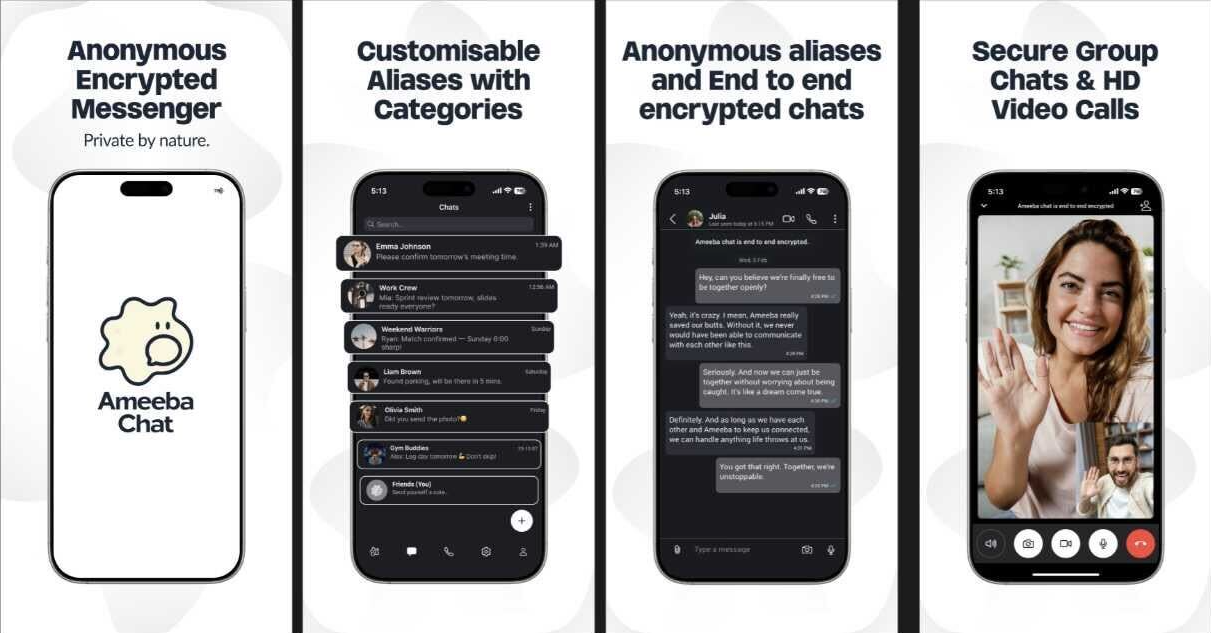
Ameeba Chat gives you a way out.
- • No phone number
- • No email
- • No personal info
- • Anonymous aliases
- • End-to-end encrypted
Chat without a trace.
Product | Affected Versions
Devolutions Remote Desktop Manager for Windows | 2025.1.34.0 and earlier
How the Exploit Works
The exploit takes advantage of the vulnerability in the user vaults component of Devolutions Remote Desktop Manager. Under certain circumstances, when entries are edited by their owners, they may unintentionally be moved from user vaults to shared vaults. This makes the entries, which may contain sensitive personal information, accessible to other users, thereby violating privacy norms and potentially leading to data breaches.
Conceptual Example Code
Below is a conceptual example of how the vulnerability might be exploited:
POST /user_vaults/edit_entry HTTP/1.1
Host: target.example.com
Content-Type: application/json
Authorization: Bearer <valid_user_token>
{
"entry_id": "sensitive_entry_123",
"new_vault_id": "shared_vault_456"
}
In the above example, a user with valid authentication credentials (represented by `
