
Overview
The CVE-2025-53256 vulnerability is a severe security issue found in YayCommerce’s YaySMTP software. This vulnerability allows attackers to perform SQL Injection attacks, potentially compromising systems and leading to data leakage. Given the widespread use of this software, this vulnerability poses a significant threat to many organizations and demands urgent attention.
Vulnerability Summary
CVE ID: CVE-2025-53256
Severity: High (7.6)
Attack Vector: Network
Privileges Required: None
User Interaction: None
Impact: Potential system compromise or data leakage
Affected Products
 Escape the Surveillance Era
Most apps won’t tell you the truth.
They’re part of the problem.
Phone numbers. Emails. Profiles. Logs.
It’s all fuel for surveillance.
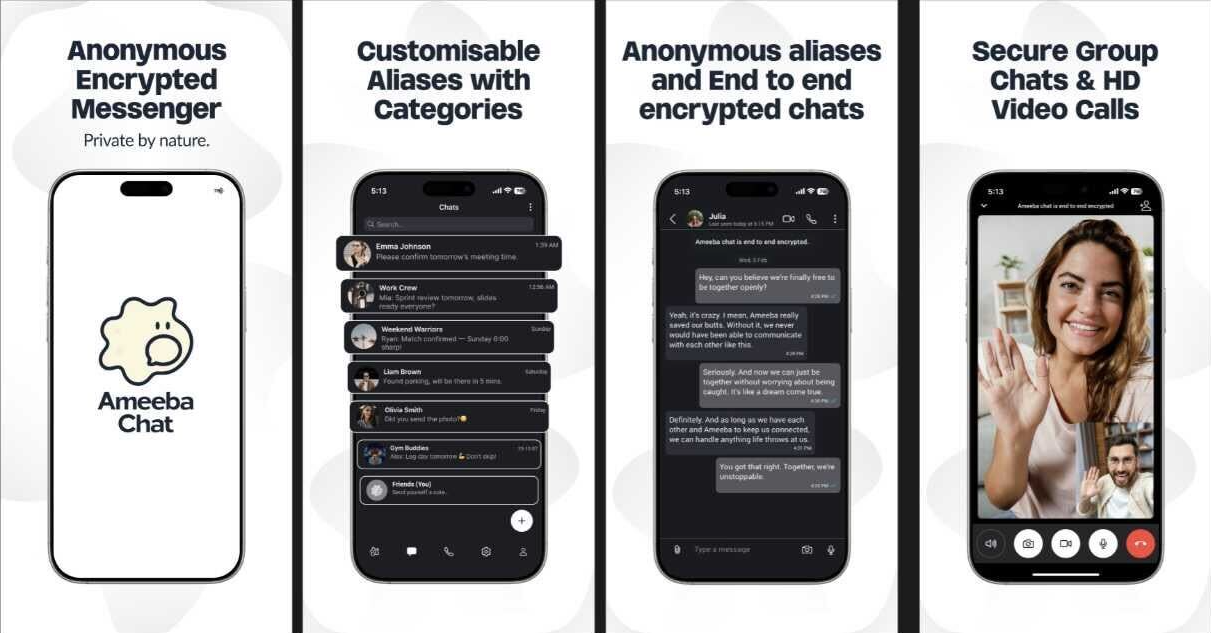
Ameeba Chat gives you a way out.
- • No phone number
- • No email
- • No personal info
- • Anonymous aliases
- • End-to-end encrypted
Chat without a trace.
Product | Affected Versions
YayCommerce YaySMTP | up to and including 2.6.5
How the Exploit Works
The vulnerability resides in the improper neutralization of special elements used in SQL commands within the YaySMTP software. Attackers can leverage this flaw by injecting malicious SQL commands, which the software then interprets and executes. This could lead to unauthorized data access, data corruption, or even a system takeover depending on the permissions of the compromised account.
Conceptual Example Code
POST /YaySMTP/endpoint HTTP/1.1
Host: target.example.com
Content-Type: application/json
{
"user": "admin",
"password": "password' OR '1'='1'; --"
}
In the above example, if the server fails to properly sanitize the input, the SQL command will always evaluate to true, bypassing any password checks and granting the attacker admin access.
Mitigation Guidance
Users of YaySMTP are urged to apply the vendor’s patch as soon as it becomes available. Until the patch can be applied, a Web Application Firewall (WAF) or Intrusion Detection System (IDS) should be used as a temporary mitigation measure. Regularly monitoring system logs for any suspicious activity is also recommended.
